
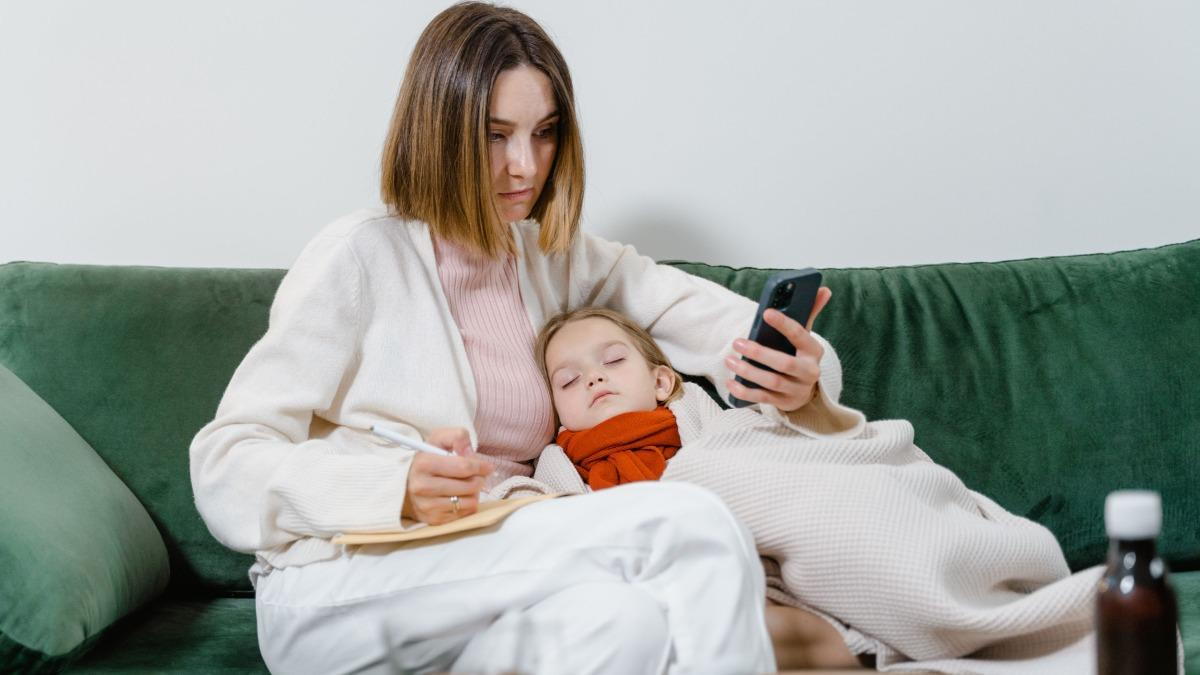
As a parent, it’s always a relief to see your child start feeling better after being sick. But recovery isn’t always complete just because the worst symptoms have passed. Sometimes, children still aren’t fully healed even though they appear to be doing better. Recognizing the subtle signs that your child isn’t fully recovered can help prevent complications and ensure they get the care they need. If you’re unsure, trusted McKinney pediatricians can provide a thorough evaluation and expert guidance.
1. Ongoing Fatigue and Low Energy

One of the most common signs your child isn’t fully recovered is persistent fatigue or weakness. It’s normal for children to feel tired during and immediately after an illness, but their energy should gradually improve each day. If your child remains unusually tired, sluggish, or lacks interest in normal play and activities well past the expected recovery period, it’s a warning sign that should be discussed with a trusted pediatrician McKinney expert.
This prolonged fatigue might mean the body is still fighting an infection or that inflammation hasn’t completely settled. McKinney pediatricians can evaluate your child’s condition and determine if further rest or testing is needed to support healing.
2. Symptoms That Come Back or Worsen

Improvement followed by a return or worsening of symptoms is another sign your child may not be fully healed. For example, your child’s fever, cough, or congestion might seem to get better, only to flare up again shortly afterward.
This pattern suggests the illness might not be completely resolved or that a secondary infection has developed. Don’t ignore these ups and downs in symptoms. A timely visit to McKinney pediatricians can help identify underlying causes and guide appropriate treatment to avoid setbacks.
3. Poor Appetite and Difficulty Gaining Weight

After being sick, children often eat less, but as they recover, their appetite should gradually return to normal. If your child continues to refuse food or snacks, or if they start losing weight unintentionally, it’s a sign they might not be fully recovered.
Nutrition plays a critical role in healing and boosting the immune system. Without enough calories and nutrients, recovery can stall. Consulting with pediatricians can help determine if nutritional support or further investigation is needed.
4. Trouble Sleeping or Frequent Night Wakings

Good sleep is essential for a child’s recovery, but sometimes lingering symptoms interfere with restful nights. If your child struggles to fall asleep, wakes often, or appears restless during the night, it may indicate discomfort, pain, or breathing issues related to incomplete healing.
Sleep disturbances not only delay recovery but also affect mood and behavior during the day. If poor sleep continues beyond the expected recovery timeframe, McKinney pediatricians can assess and recommend ways to improve your child’s sleep quality.
5. Unusual Behavior or Mood Changes
Behavioral changes such as irritability, withdrawal, or mood swings that last longer than expected can also be clues that your child is not fully recovered. While some emotional ups and downs are normal during illness, these should stabilize as your child heals.
Persistent mood changes might indicate ongoing pain, fatigue, or even effects of the illness on the nervous system. It’s important to have a trusted McKinney doctor evaluate these changes to ensure your child’s emotional and physical health are addressed properly.
Pedia Near Me: McKinney Pediatricians
If you notice any of these five signs in your child after an illness, don’t hesitate to reach out to trusted pediatricians. Early evaluation can prevent complications and support a smooth, complete recovery.
Pediatrician McKinney TX experts can perform a thorough physical exam, order any necessary tests, and help you understand your child’s recovery process. They will also provide guidance on nutrition, rest, medication adjustments, and when your child can safely return to school and normal activities.
Supporting Your Child’s Recovery at Home
Alongside medical care, there are important ways you can help your child heal fully at home:
Coax your little one to have plenty of rest and do not rush them back to activities
Offer fluids frequently to keep your child hydrated
Provide small, nutrient-dense meals if appetite is low
Log any ongoing or new symptoms to share with your McKinney pediatrics doctors
Create a calm, comfortable environment to promote restful sleep
Recovery is more than just the absence of fever or visible symptoms. By paying attention to signs like persistent fatigue, returning symptoms, poor appetite, sleep difficulties, and behavior changes, you can better judge if your child still needs care.
If you have any concerns, a visit to trusted McKinney pediatricians is the best step to ensure your child fully recovers and gets back to their happy, healthy self.
