
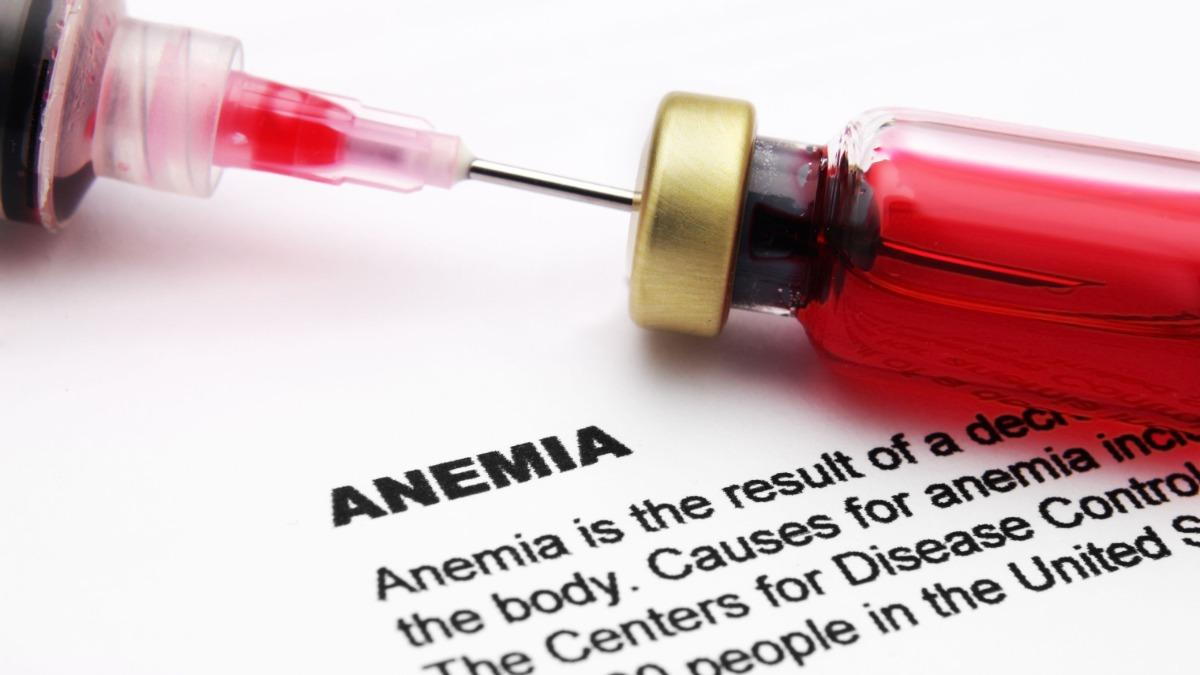
Pediatric anemia is a prevalent and often overlooked health issue affecting children across the globe. Characterized by a deficiency in healthy red blood cells or hemoglobin, this condition can hinder a child’s growth, learning abilities, and immune function. While several factors can contribute to anemia in children, inadequate nutrition is among the most common.
The good news? Through strategic dietary choices and a proactive approach to mealtime, pediatric anemia is not only treatable but largely preventable.
Understanding Pediatric Anemia
 Anemia occurs when the body doesn’t have enough red blood cells to carry oxygen efficiently to tissues and organs. In children, this can result in fatigue, pale skin, irritability, dizziness, delayed development, and a decreased ability to fight infections. Pediatric anemia may develop gradually, making early symptoms easy to miss or attribute to other causes, such as a busy school schedule or insufficient sleep.
There are several types of anemia in children, but iron-deficiency anemia is the most common. This type stems from a lack of iron, an essential mineral the body needs to produce hemoglobin. Other causes include vitamin B12 deficiency, folate deficiency, chronic illness, or inherited conditions like sickle cell anemia or thalassemia.
The Role of Iron in Preventing Pediatric Anemia

Iron is central to preventing pediatric anemia. It's a vital component of hemoglobin, the protein in red blood cells responsible for oxygen transport. Children need iron to support growth spurts, brain development, and overall health. Without enough of it, their bodies struggle to produce the hemoglobin necessary to deliver oxygen effectively.
There are two types of dietary iron:
Heme iron: Found in animal sources like beef, chicken, turkey, pork, and fish. Heme iron is more readily absorbed by the body.
Non-heme iron: Found in plant sources such as lentils, beans, spinach, tofu, fortified cereals, and nuts. Though not absorbed as easily, the absorption of non-heme iron can be boosted with vitamin C-rich foods—a tip often recommended by expert pediatricians.
A child’s daily diet should include a mix of both sources. For example, a spinach salad with orange slices or oatmeal topped with strawberries is a great way to combine iron and vitamin C.
Nutrients That Support Iron Absorption and Blood Health

In addition to iron, several other nutrients are critical for preventing and managing pediatric anemia:
Vitamin C: Enhances the absorption of non-heme iron. Foods rich in vitamin C include citrus fruits, bell peppers, kiwi, and tomatoes.
Folate (Vitamin B9): Essential for the production of red blood cells, it is commonly found in dark leafy greens, beans, peas, and fortified grains.
Vitamin B12: Essential for healthy nerve function and red blood cell formation. Found in animal products like eggs, dairy, poultry, and fish.
Copper and zinc: These trace minerals help the body absorb and use iron. Excellent sources include whole grains, seeds, nuts, and legumes.
A well-rounded diet incorporating these nutrients helps maintain proper blood health and prevents nutrient deficiencies from compounding the effects of low iron levels—an approach often supported by your trusted pediatric clinic.
Dietary Guidelines by Age

Children have different nutritional needs depending on their age, so it’s important to tailor iron intake accordingly:
Infants (0–12 months)
Newborns generally have enough iron stored to meet their needs for the first six months of life.
After six months, iron-rich complementary foods should be introduced—such as pureed meats, iron-fortified cereals, and mashed legumes.
Breastfed babies may need an iron supplement, as breast milk is low in iron. Consult a pediatric healthcare provider before starting supplementation.
Toddlers (1–3 years)
Toddlers are at high risk for iron deficiency due to rapid growth and often picky eating habits.
Limit cow’s milk intake to no more than 16–24 ounces a day, as excessive milk can inhibit iron absorption and reduce appetite for iron-rich foods.
Preschool & School-Age Children (4–12 years)
Serve a variety of iron-rich foods in fun, colorful meals to encourage better eating habits.
Get kids involved in meal prep—they’re more likely to try new foods they helped create.
Teens (13–18 years)
Adolescents, especially girls who begin menstruating, have increased iron needs.
Encourage balanced meals with lean meats, leafy greens, and iron-fortified snacks to meet their requirements—guidance often emphasized at your local pediatric center.
Practical Tips to Prevent Pediatric Anemia with Diet
Pair iron with vitamin C
Pairing iron-rich foods with vitamin C sources enhances iron absorption. For example, serve lentils with tomato sauce or chicken with a side of broccoli and strawberries.Avoid inhibitors of iron absorption
Tea, coffee, and calcium-rich foods like dairy can interfere with iron absorption when eaten alongside meals.Offer these between meals rather than during.Choose iron-fortified foods
Many cereals, breads, and pastas are fortified with iron. Check labels and incorporate these items into breakfast or snack time.Include iron-rich snacks
Try dried fruits (like raisins or apricots), trail mix with nuts and seeds, or whole-grain toast with peanut butter.Watch for symptoms
Be alert to signs like fatigue, pale skin, shortness of breath, or frequent infections. These may indicate anemia and warrant a visit to the pediatrician.Talk to your doctor about supplements
In cases where dietary iron isn’t sufficient, pediatric specialists may recommend iron supplements. Always follow medical guidance, as too much iron can be harmful.
Addressing Common Challenges
Picky Eaters
Many children are selective about what they eat, which can make providing adequate iron a challenge. Here are a few strategies:
Blend spinach or kale into smoothies with berries and bananas.
Make iron-rich meatballs or sliders using ground beef, turkey, or lentils.
Offer dips like hummus with whole-wheat pita or iron-fortified crackers.
Use cookie cutters to shape sandwiches or fruits into fun designs.
Vegetarian and Vegan Diets
Children who follow plant-based diets can still meet their iron needs with careful planning. Include:
Iron-fortified cereals and oatmeal
Lentils, beans, tofu, and quinoa
Leafy greens like kale and Swiss chard
Dried fruits and pumpkin seeds
Pair these foods with vitamin C-rich produce to increase iron absorption.
Pediatric Doctors Near Me
If you suspect your child might have pediatric anemia, consult a healthcare provider for evaluation. A simple blood test can determine iron levels, and your doctor can recommend dietary changes, supplements, or further testing if needed. Some underlying causes of anemia may not be nutrition-related and require specialized care.
Prevention Starts at Home
Preventing anemia is an ongoing process that begins at home with daily meal planning and mindful food choices. Encouraging variety, including both animal and plant-based iron sources, and being attentive to how foods interact with each other can make a huge difference in your child’s overall health—an essential part of comprehensive pediatric care.
With the right nutrition and awareness, anemia can be prevented in most children. Whether you're planning your baby's first meals or guiding a teen toward healthier choices, every bite counts. A balanced, iron-rich diet, supported by vitamins and minerals, strengthens the foundation for lifelong vitality and learning. As parents, caregivers, and healthcare providers, we have the tools to protect children from the setbacks of pediatric anemia—starting with what’s on their plate.
