
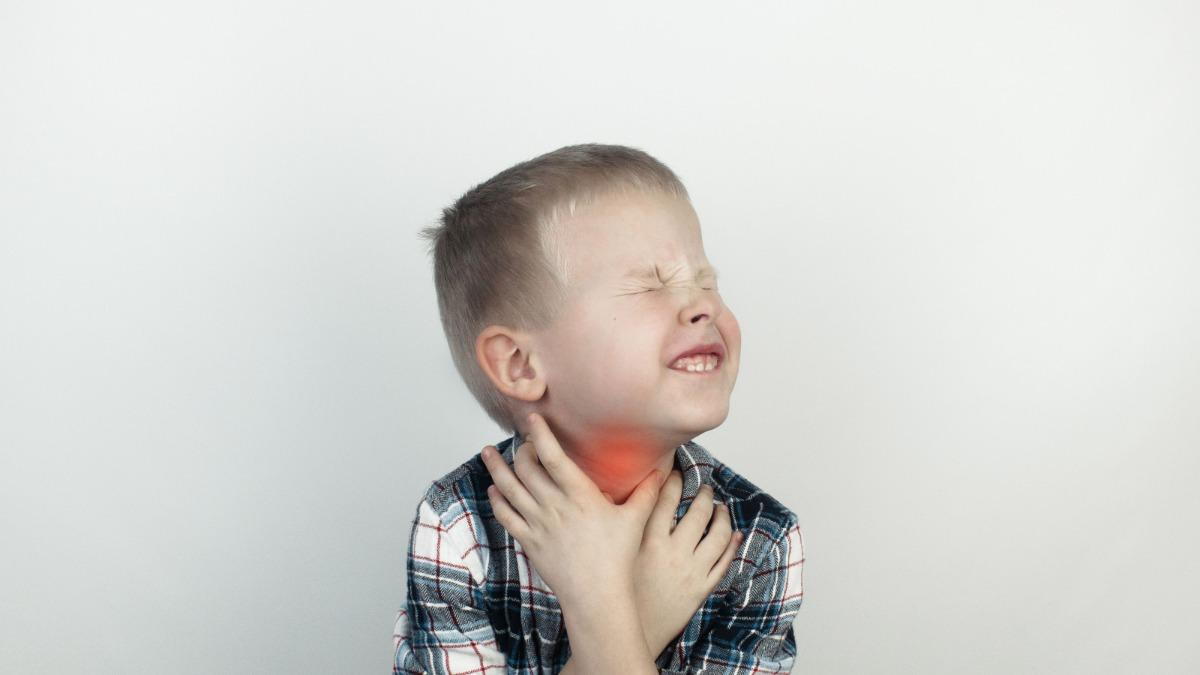
Pediatric pharyngitis is one of the most common problems that spur doctor visits among kids. Characterized by inflammation of the pharynx, or the back of the throat, this condition can be caused by viral or bacterial infections and may lead to sore throat, fever, and difficulty swallowing. While it is typically not a serious illness, it can cause considerable discomfort for children and concern for parents.
Proper diagnosis and timely treatment are essential to reduce complications and prevent the spread of infection, especially in group settings like schools and daycare centers.
What Causes Pediatric Pharyngitis?

Pediatric pharyngitis usually starts with a virus, accounting for approximately 70% of cases. These are often associated with common cold viruses such as rhinovirus, adenovirus, or coronavirus. In such instances, the sore throat is usually accompanied by runny nose, cough, and sometimes conjunctivitis. These symptoms typically resolve on their own within a few days without the need for antibiotic treatment.
However, bacterial causes — particularly Group A Streptococcus (GAS) — must be carefully considered. This form, commonly referred to as strep throat, is more likely in children aged 5 to 15 and requires prompt antibiotic therapy to avoid complications such as rheumatic fever or post-streptococcal glomerulonephritis. Bacterial pediatric pharyngitis tends to present more abruptly with fever, sore throat, headache, and swollen lymph nodes, often without a cough.
Environmental irritants, allergies, and dry air can also contribute to pharyngitis but are less common causes in children.
Signs and Symptoms to Watch For
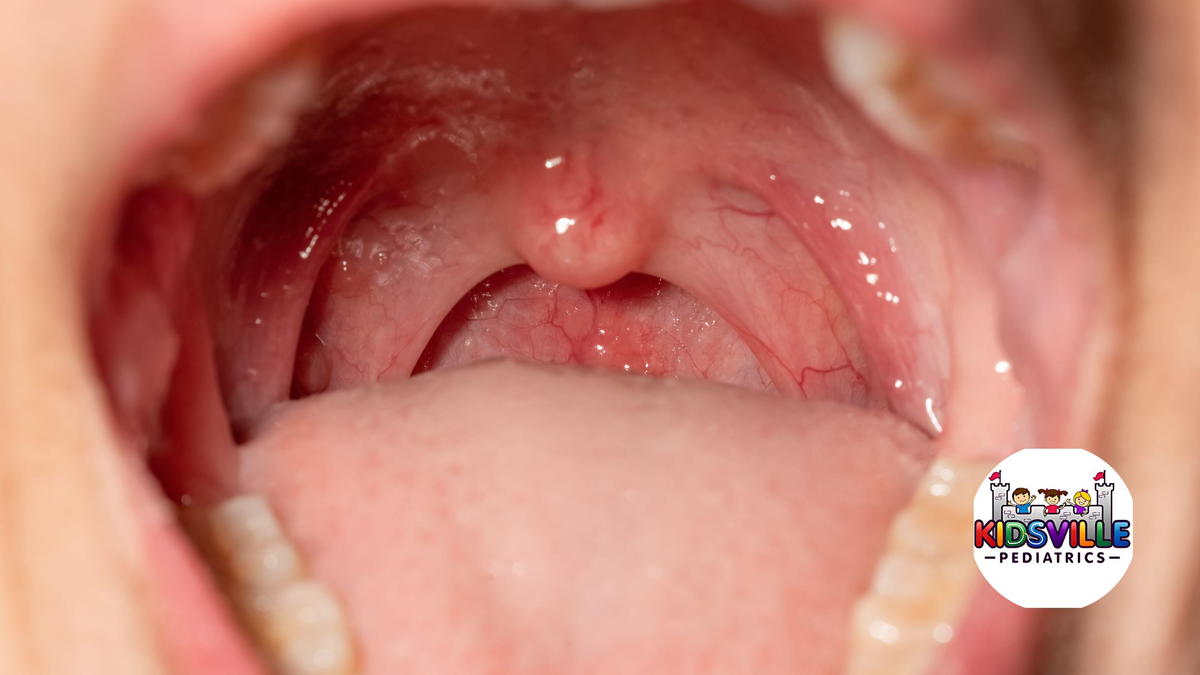
Recognizing the symptoms of pediatric pharyngitis can help caregivers seek timely medical attention. Some of the most frequently observed symptoms include:
Sore throat and pain when swallowing
Red, swollen tonsils (sometimes with white patches)
Fever (especially in bacterial cases)
Headache and body aches
Swollen lymph nodes in the neck
Loss of appetite and fatigue
Rash (in cases of scarlet fever, a strep-related illness)
In viral pharyngitis, symptoms such as nasal congestion, cough, hoarseness, or diarrhea may also be present. On the other hand, a sudden onset of sore throat without a runny nose or cough may suggest a bacterial cause.
Parents should consult a Southlake pediatrician if a child exhibits severe throat pain, persistent high fever, drooling (which may indicate difficulty swallowing), or symptoms lasting more than a few days.
Diagnosis and Testing

Diagnosing pediatric pharyngitis typically begins with a physical examination, where a healthcare provider checks the child’s throat, ears, and lymph nodes. To differentiate between viral and bacterial causes, especially when strep throat is suspected, doctors often perform a rapid antigen detection test (RADT) using a throat swab. This test shows the results within minutes and can aid in determining whether antibiotics are necessary.
If the RADT result shows a negative yet clinical suspicion is still high, a throat culture may be asked by the pediatrician. Though this takes about 24-48 hours before the results come out, it is considered the gold standard in detecting Group A Streptococcus.
Note that not all sore throats have a need for antibiotic treatment. Southlake pediatrics experts emphasize that overprescription can contribute to antibiotic resistance, so confirming a bacterial cause is essential before beginning treatment.
Treatment Approaches

The treatment for pharyngitis depends on its underlying cause:
Viral Pharyngitis: Supportive care is usually sufficient. This includes ensuring adequate hydration, rest, and symptom relief through pain relievers like acetaminophen or ibuprofen. Throat lozenges, saline gargles (for older children), and humidified air can also help ease discomfort.
Bacterial Pharyngitis: When a child is diagnosed with strep throat, antibiotics such as penicillin or amoxicillin are commonly prescribed. Completing the full course of antibiotics — usually 10 days — is crucial to eliminate the infection and prevent complications.
During the contagious period (usually the first 24 hours of starting antibiotics), children should stay home from school or daycare to avoid infecting others.
In both cases, supportive care remains important. A pediatrician Southlake TX professional may recommend encouraging your child to drink plenty of fluids and get sufficient rest to hasten recovery and reduce discomfort.
Prevention Tips for Families
Though pediatric pharyngitis may not always be prevented, some practices can reduce the transmission risk, especially in households with more than one child:
Teach children to wash hands regularly, especially before eating and after coughing or sneezing
Instruct children to avoid sharing their utensils, drinks, or toothbrushes
Use tissue to cover sneezes and coughs, and be sure to dispose them properly
Clean and disinfect frequently touched surfaces
Ensure children stay up to date on vaccinations, including the flu shot
In families where one child has strep throat, it is wise to monitor siblings closely and consult a pediatrician Southlake expert if symptoms arise, as strep is highly contagious.
Pedia Near Me: Kidsville Pediatrics Southlake
While most cases of pharyngitis are handled by pediatricians or family doctors, some children may require a referral to an ear, nose, and throat (ENT) specialist. This is particularly true for children who experience frequent episodes of strep throat (typically more than seven episodes in a year or five episodes in two consecutive years), or when symptoms persist despite treatment.
In rare cases, complications such as peritonsillar abscess or airway obstruction may develop, requiring more intensive intervention. A pediatrician in Southlake can provide timely medical care and appropriate follow-up to prevent such complications and improve outcomes.
Though often considered a minor illness, pediatric pharyngitis can cause significant distress for both children and caregivers. Understanding its causes, recognizing the warning signs, and knowing when to seek medical attention can go a long way in managing this common childhood condition. Whether viral or bacterial in nature, early diagnosis and proper treatment ensure a faster recovery and reduce the risk of spreading the infection to others. By maintaining good hygiene habits and following medical guidance, families can protect their children from the discomfort and complications of pharyngitis.
