
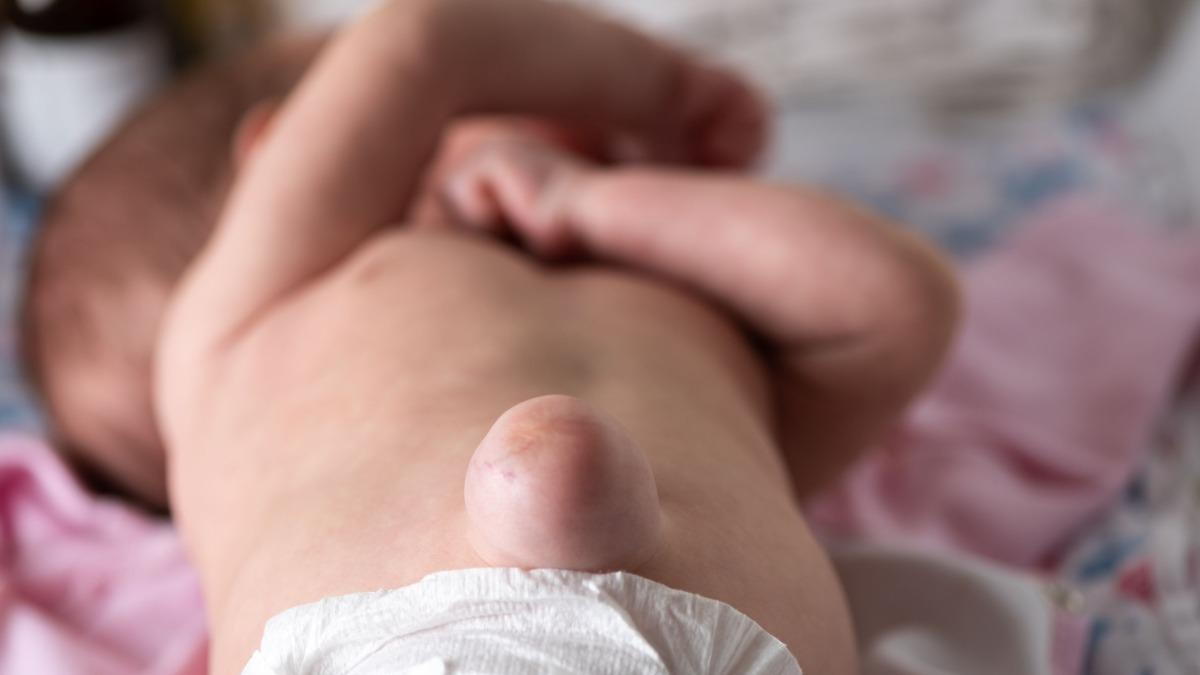
An umbilical hernia is a relatively common condition that affects both infants and adults. It occurs when part of the intestine or abdominal tissue protrudes through the abdominal muscles near the belly button (umbilicus). Though often harmless and painless, especially in children, it can sometimes lead to complications that require medical intervention. Recognizing the signs and understanding the causes and treatment options can help in managing this condition effectively.
What Is an Umbilical Hernia?

This condition develops when a small opening in the abdominal muscles allows tissue or part of the intestine to bulge out. In babies, this is typically due to the natural opening left when the umbilical cord falls off shortly after birth. In many cases, the abdominal opening naturally closes on its own. But when the muscles fail to fully close, a hernia can develop. In older children, this condition often arises from increased abdominal pressure caused by factors such as obesity, repeated pregnancies, persistent coughing, or lifting heavy objects.
These hernias can appear as a soft swelling or bulge near the belly button and may increase in size when the person laughs, cries, or strains. A Southlake Texas pediatrician can play a key role in detecting these conditions early, particularly when assessing family history or common risk factors.
Causes and Risk Factors

In infants, the condition is primarily caused by the abdominal wall not fully closing after birth. Factors that may increase the risk in babies include premature birth, low birth weight, and being of African descent.
In bigger kids, risk factors include:
Obesity
Pregnancy, especially multiple pregnancies
Chronic constipation or straining
Excessive coughing
Ascites (fluid buildup in the abdomen)
Previous abdominal surgeries
When the abdominal muscles are weakened or under strain, the chance of developing an hernia increases.
Recognizing the Symptoms

The primary symptom of an umbilical hernia is a noticeable bulge or swelling near the navel. In infants, this swelling is usually visible when the baby cries, coughs, or strains. It tends to be painless and may shrink or disappear when the baby is relaxed or lying on their back.
In older children, symptoms may include:
A visible bulge near the belly button
Discomfort or pain at the site of the bulge
Pressure or aching, especially when coughing or lifting heavy objects
Nausea in some cases
Though usually not serious, if the hernia becomes trapped (incarcerated) or the blood supply is cut off (strangulated), it becomes a medical emergency. Symptoms of a strangulated hernia include:
Severe pain
Redness or discoloration of the bulge
Vomiting
Inability to push the bulge back in
Diagnosis
Diagnosis of a hernia is typically straightforward. A Southlake pediatric clinic will conduct a physical examination and may ask about the symptoms and medical history. In some cases, imaging tests like an abdominal ultrasound, CT scan, or MRI may be ordered to assess the extent of the hernia and rule out other conditions.
Treatment Options

Observation
In most infants, umbilical hernias naturally close on their own by the time the child is 1 or 2 years old. As long as the hernia is small, painless, and not growing, doctors often recommend watchful waiting. Surgery may be considered if:
The hernia doesn’t close by age 4 or 5
The hernia is large or growing
There are signs of complications
Surgical Repair
In adults or children with persistent or problematic hernias, surgery is often required. Umbilical hernia repair typically involves repositioning the protruding tissue and stitching the abdominal wall to close the opening securely. Sometimes, a mesh is used to strengthen the area and prevent recurrence.
Surgery is typically an outpatient procedure and has a high success rate. A pediatrician Southlake expert can help ensure a smooth recovery process, which may take a few weeks, during which patients are advised to avoid strenuous activities.
Emergency Surgery
If a hernia becomes strangulated, emergency surgery is necessary to prevent tissue death. This situation is more serious and may require more extensive repair and a longer recovery period.
Preventing Recurrence

While it’s not always possible to prevent an umbilical hernia, especially in infants, there are steps older children can take to reduce the risk:
Maintain a healthy weight
Avoid heavy lifting or learn proper lifting techniques
Treat chronic coughs and constipation promptly
Strengthen abdominal muscles through moderate exercise
Following hernia repair surgery, patients should follow postoperative instructions carefully, including restrictions on lifting and physical exertion, to ensure proper healing and prevent recurrence. A pediatrician in Southlake can provide personalized guidance and monitor recovery, especially in children.
Living with an Umbilical Hernia
Most people with an umbilical hernia live normal, healthy lives. For infants, the condition is usually harmless and resolves naturally. Parents should monitor their kid's hernia for any changes in size, discomfort, or appearance, and seek medical advice if symptoms worsen.
It’s important not to ignore even minor symptoms, as early diagnosis and treatment can prevent complications. Any Southlake clinic can ensure accurate diagnosis and timely intervention. While some may find the bulge unsightly, surgery offers a safe and effective solution to restore the abdominal wall and eliminate discomfort or cosmetic concerns.
When to See a Southlake Pediatrician
Seek medical attention if:
The hernia becomes painful or tender
There’s sudden swelling or discoloration at the site
You’re unable to push the hernia back in
You experience nausea, vomiting, or fever along with the bulge
Prompt evaluation can rule out complications and determine the best course of action.
An umbilical hernia may seem alarming at first, especially for new parents or those unfamiliar with the condition. However, with proper knowledge and timely medical advice, it can be managed effectively. Most infant cases resolve without treatment, and hernias can be successfully repaired through surgery when needed. As with many medical conditions, early awareness and preventive measures go a long way. If you or a loved one is experiencing symptoms of an umbilical hernia, consult a healthcare professional for guidance and peace of mind.
