

Cystic fibrosis is a serious but manageable genetic disorder that often begins showing symptoms in early childhood. For parents, receiving a diagnosis can be overwhelming and emotional—but knowledge, preparation, and a strong partnership with your pediatric care team can make a powerful difference. At Kidsville Pediatrics, we believe in empowering families with understanding, compassion, and tools to help their child thrive while living with cystic fibrosis.
Understanding Cystic Fibrosis in Kids

Cystic fibrosis (CF) is caused by a mutation in the CFTR gene, which is inherited from both parents. This mutation affects the way salt and water move in and out of cells, leading to a buildup of thick, sticky mucus in the lungs, digestive tract, and other organs.
In children, this can result in:
Chronic coughing or wheezing
Frequent lung infections
Poor weight gain despite a good appetite
Greasy or bulky stools
Difficulty with bowel movements
A noticeably salty taste to the skin
CF is generally diagnosed when the child is an infant through newborn screening. If that screening suggests a problem, your child’s doctor will conduct further tests, such as a sweat chloride test and genetic testing, to confirm the diagnosis. Early detection gives your child the best chance for healthy development and better long-term outcomes.
How CF Affects Your Child’s Body
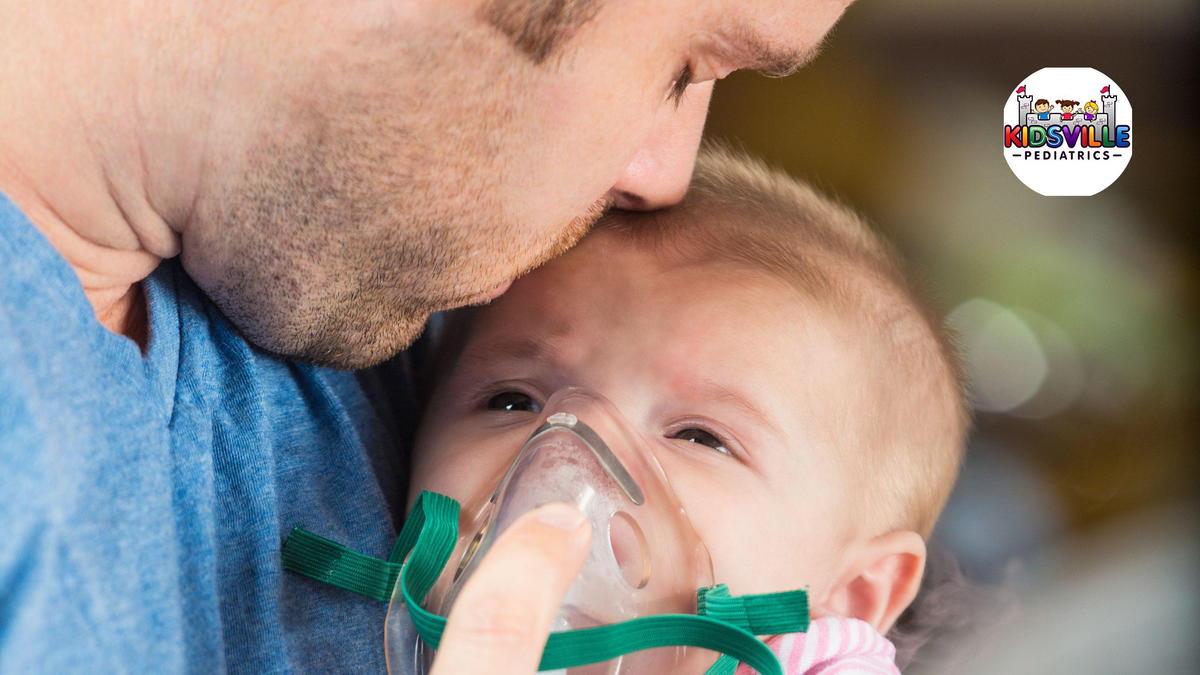
One of the most challenging aspects of cystic fibrosis is how it affects multiple systems in the body. In the lungs, thick mucus can trap harmful bacteria and lead to persistent infections. In the digestive system, it can block enzymes from reaching the intestines, making it harder for your child to absorb nutrients and gain weight properly. Some children also experience complications with their liver, sinuses, or reproductive systems as they grow.
But it’s important to remember—this condition doesn’t define your child. Many kids with CF live active, joyful lives with the right care and support.
Caring for a Child with Cystic Fibrosis

Remember that you are never alone. Raising a kid with cystic fibrosis is a daily commitment but experts are here to help. At Kidsville Pediatrics, we work closely with specialists and caregivers to build personalized treatment plans. Here’s how you, as a parent, can help:
1. Stick to the Daily Treatment Routine
Most children with CF need a combination of airway clearance, medication, and nutritional support. Airway clearance may include chest physiotherapy, a vibrating vest, or specific breathing techniques to loosen mucus from the lungs. Your pediatrician McKinney TX expert will guide you on how often these therapies are needed each day.
Inhaled medications, like bronchodilators and antibiotics, are often part of your child’s daily regimen. Keeping track of prescriptions and adhering to a schedule can reduce flare-ups and hospital visits.
2. Boost Nutrition and Growth
Kids with CF often need extra calories and special diets because they don’t absorb nutrients as efficiently. Pancreatic enzyme supplements (taken with food) help the body digest fats and proteins. Make sure your child gets plenty of fluids, and work with a pediatric nutritionist to manage meals, snacks, and vitamins A, D, E, and K.
If you notice signs of malnutrition—such as slow growth, fatigue, or bloating—talk to your pediatric team right away. Good nutrition directly impacts immune strength and overall wellness.
3. Stay Ahead of Infections
Frequent infections are common for children with cystic fibrosis, so hygiene and infection control are crucial. Encourage your child to wash their hands regularly, especially after being in public places or touching shared items. Avoid close contact with anyone who is sick.
It’s also important to keep up with vaccinations, including the flu shot and pneumococcal vaccine. Many McKinney pediatricians also recommend RSV prevention shots for infants and toddlers with CF.
4. Support Their Emotional and Social Well-Being
Living with a chronic condition can sometimes make kids feel isolated or different from their peers. Parents can help by creating a supportive and open environment where children feel safe talking about their feelings. As your child gets older, involve them in their care and help them understand why their treatments are important.
Encourage social activities, hobbies, and playtime whenever possible. Children with CF can still participate in school, sports, and friendships with some adjustments. Let them dream big.
Working with Your Kidsville Pediatrics McKinney Team
You are your child’s strongest advocate. Partnering with a team you trust—including your primary McKinney pediatrician, pulmonologist, nutritionist, and other specialists—ensures coordinated care. Keep regular appointments and always speak up with questions, concerns, or observations about your child’s health.
Telehealth options, apps for medication tracking, and CF-specific clinics can also make managing care more accessible and convenient for busy families.
Looking Ahead: New Treatments and Research
There is exciting progress in the world of cystic fibrosis treatment. One of the biggest breakthroughs in recent years has been the introduction of CFTR modulators—medications that correct the function of the defective protein in certain mutations. Drugs like Trikafta have improved lung function, reduced hospitalizations, and improved quality of life for many children and teens.
Researchers are also exploring gene editing therapies that could potentially correct the underlying genetic cause of CF. While we’re not there yet, the future looks bright—and a knowledgeable pediatrician McKinney expert can help parents stay updated on the latest advancements.
Pedia Near Me: Kidsville Pediatrics McKinney
Having a child diagnosed with cystic fibrosis can be frightening, but remember—you don’t have to face it alone. At Kidsville Pediatrics, we’re here to walk with you every step of the way. From routine checkups to complex care coordination, our goal is to help your child grow strong, happy, and healthy.
Kidsville Pediatrics believes in supporting not just the child, but every member of the family. Your love, dedication, and advocacy make all the difference. And with a growing number of treatments and resources available, there’s never been more hope for children living with cystic fibrosis.
