

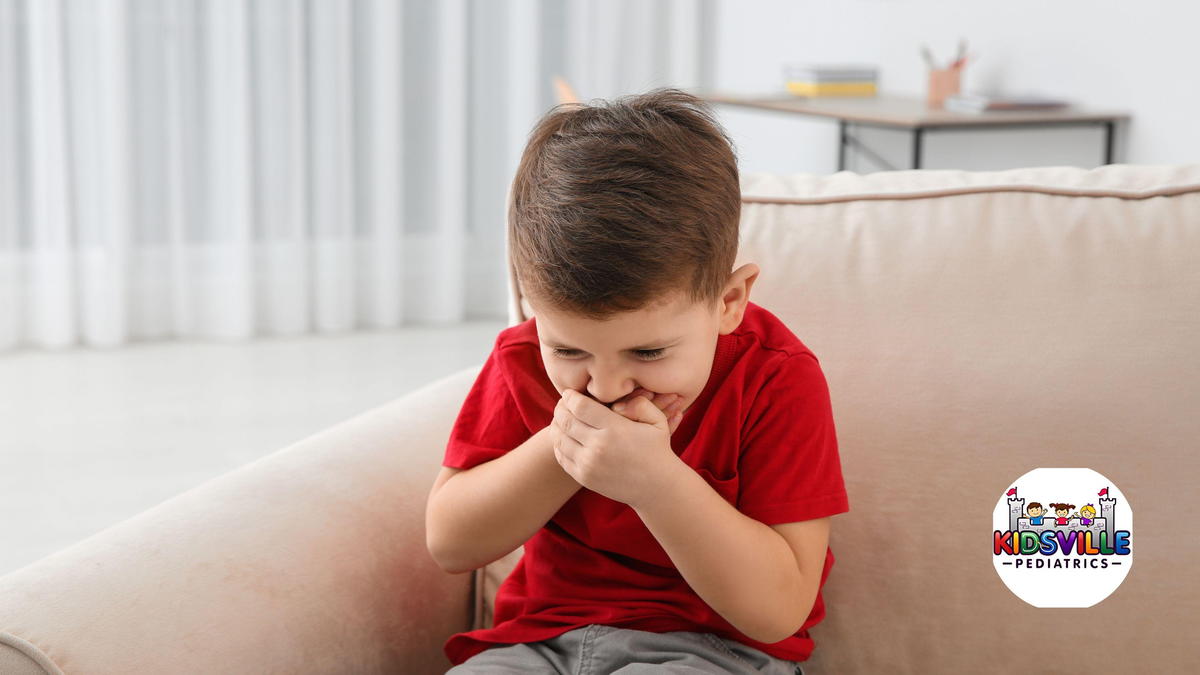
If your child is having fewer bowel movements than usual, straining in the bathroom, or complaining of belly pain, they may be experiencing constipation. It's one of the most common digestive issues among children and teenagers, and while it’s rarely serious, it can be uncomfortable—and sometimes even distressing—for both kids and parents.
At Kidsville Pediatrics, we believe that with the right knowledge and support, you can help your child overcome constipation and develop healthy bathroom habits for life.
What Causes Constipation in Kids?

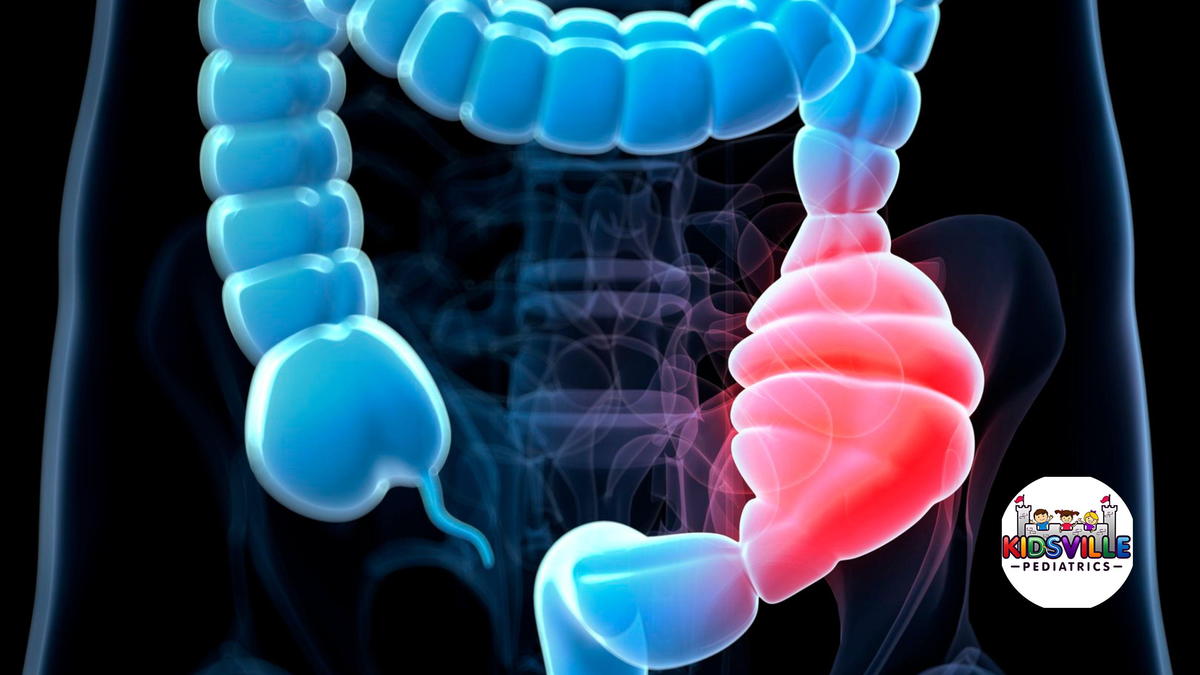
Constipation happens when stool moves too slowly through the digestive tract, becoming hard, dry, and difficult to pass. In children, this can be triggered by several common factors:
Low fiber diet – Many kids don’t get enough fruits, vegetables, and whole grains.
Not drinking enough water – Dehydration leads to harder stools.
Fear or avoidance – Some children avoid going to the bathroom because it hurts or they feel anxious, especially during potty training or in school settings.
Holding it in – Busy or distracted children often ignore the urge to go, which worsens the problem over time.
Changes in routine – Travel, school schedules, or transitions like starting daycare can disrupt regular bathroom habits.
For teens, additional contributors may include stress, hormonal shifts, or sedentary lifestyles—especially during exam weeks or screen-heavy downtime, which are common concerns we address as a pediatrician Southlake TX team that families trust.
Recognizing the Signs of Constipation

Constipation isn’t always about how often your child poops. The following signs may indicate they’re struggling:
Fewer than three bowel movements per week
Hard, dry, or pellet-like stools
Straining or pain during bowel movements
Stomachaches, bloating, or cramping
The feeling that only a limited amount of stool has passed
Small amounts of stool or streaks of stool in underwear (soiling)
If any of these symptoms last more than a few days, or if your child seems especially uncomfortable, it’s a good idea to reach out to your Southlake pediatrician.
When to Worry: Red Flags
Although most cases of constipation are mild and resolve with simple changes, some signs warrant a visit to the doctor right away:
Blood in the stool
Severe or ongoing belly pain
Weight loss
Loss of appetite
No improvement after dietary and behavioral changes
At Kidsville Pediatrics, we take these symptoms seriously and can evaluate whether an underlying medical condition might be contributing to your child’s discomfort.
How to Help Your Child with Constipation

The good news is, most kids can overcome constipation with a few lifestyle tweaks and a little encouragement. Here’s how parents can help:
Boost fiber – Offer high-fiber foods like apples (with skin), berries, pears, carrots, oatmeal, peas, and whole grain breads. Even picky eaters usually enjoy smoothies or homemade popsicles made with fruits and veggies.
Hydration is key – Encourage plenty of water throughout the day. Limit drinks that are filled with sugar or caffeine.
Encourage movement – Physical activity helps get the intestines moving. Playtime, bike rides, or after-school sports all support digestion.
Create a routine – After meals is a great time to try using the toilet. Have your child sit on the toilet for 5–10 minutes, even if they don’t feel the urge. A footstool under their feet can help position them better for bowel movements.
Offer praise, not pressure – Avoid scolding or punishing a child for accidents. Use positive reinforcement and keep the experience stress-free.
Consider fiber supplements or stool softeners – If recommended by your pediatrician Southlake expert, these can help relieve constipation more quickly. Never give laxatives or enemas to children without medical guidance.
Supporting Teens with Constipation
Teens may be more self-conscious about talking to parents about bathroom issues. If you notice changes in appetite, mood, or routine, a gentle conversation can open the door. Emphasize that it’s a normal issue and there’s no need to feel embarrassed.
Teens often skip meals, grab fast food, or spend hours sitting at a desk or gaming. Help them prioritize water, real meals, and regular activity. If they're hesitant to talk to you, encourage them to speak privately with their Southlake pediatrician.
Pedia Near Me: Kidsville Pediatrics Southlake
Whether your child is dealing with an occasional issue or chronic constipation, the team at Kidsville Pediatrics is here to help. We’ll evaluate your child’s symptoms, offer dietary guidance, and suggest treatment options that work for your child’s age and comfort level. In some cases, we may refer you to a pediatric gastroenterologist for further evaluation.
We also understand that constipation isn’t just a physical issue—it can affect your child’s mood, confidence, and school performance. This is why our teams at Kidsville treat patients with this condition with compassion and patience.
Of course, no parent wants to see their kid in any form of discomfort or pain. The important thing to remember is that constipation is common, manageable, and treatable. By keeping an eye on your child’s habits, offering a healthy routine, and seeking support when needed, you’re doing exactly what your child needs. At Kidsville Pediatrics, we’re always ready to guide you through challenges like constipation, ensuring your child’s journey to health is supported every step of the way.
