
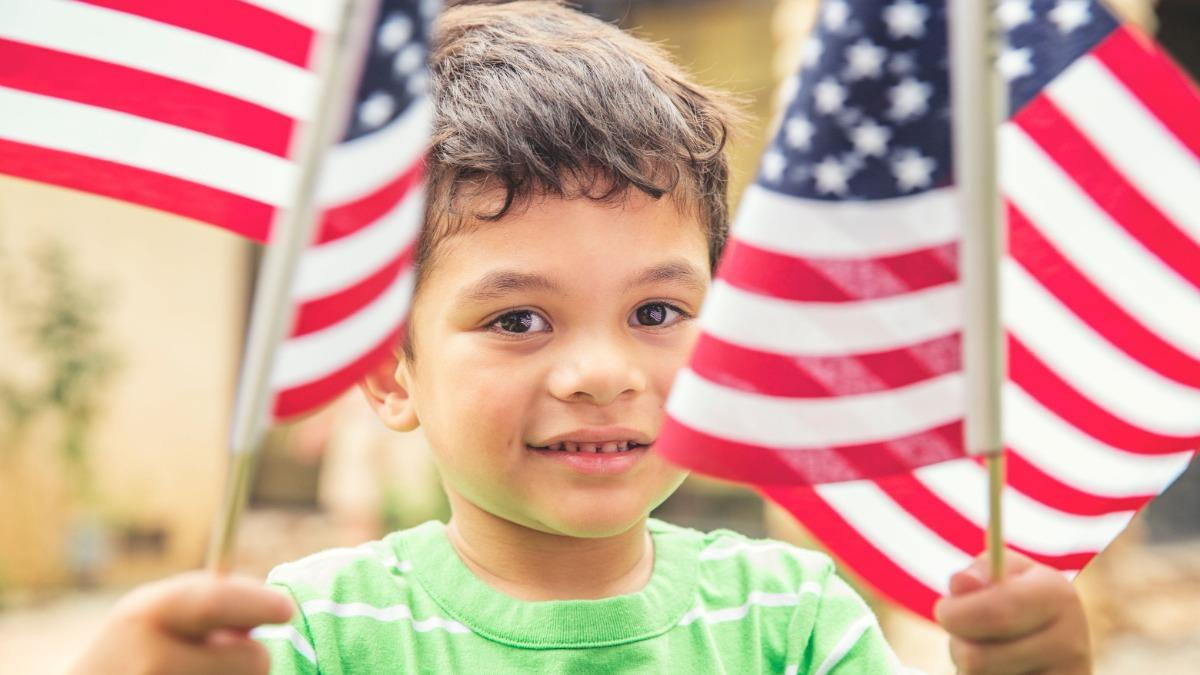
The Fourth of July is a time for family barbecues, community parades, and fireworks lighting up the summer sky. But for many sensory-sensitive or neurodivergent children, this all-American celebration can be more overwhelming than exciting. Loud noises, unfamiliar routines, flashing lights, and crowds may trigger anxiety, meltdowns, or withdrawal. Fortunately, with a little preparation and understanding, you can help your child participate in Independence Day in a way that feels safe, joyful, and inclusive.
Whether your child is on the autism spectrum, struggles with anxiety, has ADHD, or simply doesn’t enjoy loud environments, there are plenty of ways to make the Fourth of July more manageable. These tips are designed to ease transitions, reduce stress, and allow your family to celebrate in a way that honors everyone’s needs.
Understanding the Triggers
Sensory overload is often the biggest challenge for neurodivergent children during the Fourth of July. The booming of fireworks, flashing lights, strong smells of grilled food, itchy clothing, or crowded spaces can all be overwhelming. Knowing your child’s specific sensitivities is your first step towards having a customized holiday.
Ask yourself:
Does my child react strongly to loud noises?
Are unfamiliar social settings difficult for them?
Do they feel safe with changes in routine?
Are tactile sensations (like face paint or grass) bothersome?
When you know what might cause distress, you can plan your environment accordingly.
Plan a Peaceful Fourth of July Celebration

You don’t have to attend a loud event to celebrate. Planning a low-key version of July 4th can be just as memorable. Consider the following:
Watch fireworks from afar: Find a distant spot like a park or parking lot where you can see but not hear the show as loudly.
Use sensory tools: Noise-canceling headphones, sunglasses, weighted blankets, or fidget toys can provide comfort and control.
Create a “safe space”: Whether at home or outdoors, designate an area your child can retreat to when overstimulated.
Home-based celebrations with quiet crafts, glow-in-the-dark decorations, and calm music may feel much safer for your child than a crowded event — especially when paired with guidance from pediatric counseling to support emotional regulation.
Prepare in Advance

Talk to your child ahead of time about what to expect. Use visual schedules, social stories, or role-playing scenarios to help them feel more confident.
Show photos or videos of previous July 4th events.
Use simple language to describe what might happen (e.g., “There may be fireworks that go boom, and we can cover our ears or watch from inside.”)
Let them know they have choices. Empowering your child with options — like choosing where to sit, what clothes to wear, or when to leave — can lower anxiety.
Adjust the Schedule to Fit Your Child

Neurodivergent children often thrive with structure and routine. Consider shifting your holiday plans around your child’s most comfortable times of day. Maybe an early morning patriotic craft session is more enjoyable than a late-night fireworks show — a strategy often encouraged by our experts at Kidsville Pediatrics Mansfield.
Have a “preview day” a few days before to test tolerance for new foods, clothes, or environments.
Build in calm-down time before and after any activities.
Be flexible — it's okay to change plans if your child becomes overwhelmed.
Be Mindful of Food Sensitivities
Picnics and cookouts are a staple, but new or sensory-rich foods can be tough for selective eaters. Bring foods your child already enjoys so they feel comfortable. If you’re attending a party, talk with the host beforehand and prepare your child by showing them pictures or explaining what the food options might be — a helpful technique often supported by professionals in NP psychiatry.
Involve Your Child in Decision-Making

Let your child help make small choices about how to celebrate. This creates a sense of ownership and predictability. They could:
Pick out a special red, white, and blue outfit that feels comfortable.
Choose a firework show to watch online instead of going in person.
Decide on decorations or help set up a quiet picnic area.
Empowering children in this way can reduce feelings of helplessness or fear.
Offer Calming Alternatives

Not every child will want to—or be able to—participate in the Fourth of July in traditional ways. And that’s perfectly fine. You can still honor the holiday while respecting your child’s unique needs.
Some calming alternatives include:
Watching a pre-recorded fireworks display on YouTube with the volume lowered.
Reading books about American history or diversity in fun, visual ways.
Doing red-white-and-blue science experiments or crafts indoors.
Creating a themed scavenger hunt at home with patriotic items.
The key is to keep the spirit of the celebration while avoiding distress.
Advocate for Inclusion in Public Spaces
If you're attending a community event, check whether accommodations are available. Some cities now offer “sensory-friendly zones” with reduced noise, calming activities, or staff trained to work with children with special needs — sometimes in collaboration with a psych nurse practitioner who understands sensory processing challenges.
If no such zone exists, consider advocating for one in future years. A simple letter to event organizers, supported by other families, can lead to real change.
Normalize the Need for Support
There’s no “right” way to celebrate the Fourth of July — especially when it comes to neurodivergent or sensory-sensitive children. The goal isn't to “push through” discomfort but to honor what makes each child feel safe and happy. Let your child know it's okay to take breaks, wear ear protection, or stay inside if that feels better.
Parents, too, deserve grace. If you feel disappointed about skipping an event or doing things differently, remind yourself that creating a holiday rooted in understanding is the most meaningful celebration of all — and Alex Ng, our NP psychiatry professional, often emphasizes the importance of meeting both your child’s and your own emotional needs during high-stress times.
NP Psychiatry Near Me
The Fourth of July doesn't have to be stressful for families with neurodivergent or anxious children. With thoughtful planning, creative alternatives, and respect for your child’s unique needs, you can craft a celebration that is both festive and fulfilling. Whether you’re lighting sparklers in your backyard, crafting with glitter and glue, or just enjoying a quiet evening with loved ones, you’re still creating memories that honor both independence and inclusion. And should there be any sort of emergency, Kidsville Pediatrics is just one call away — ready to support your family when it matters most.
