
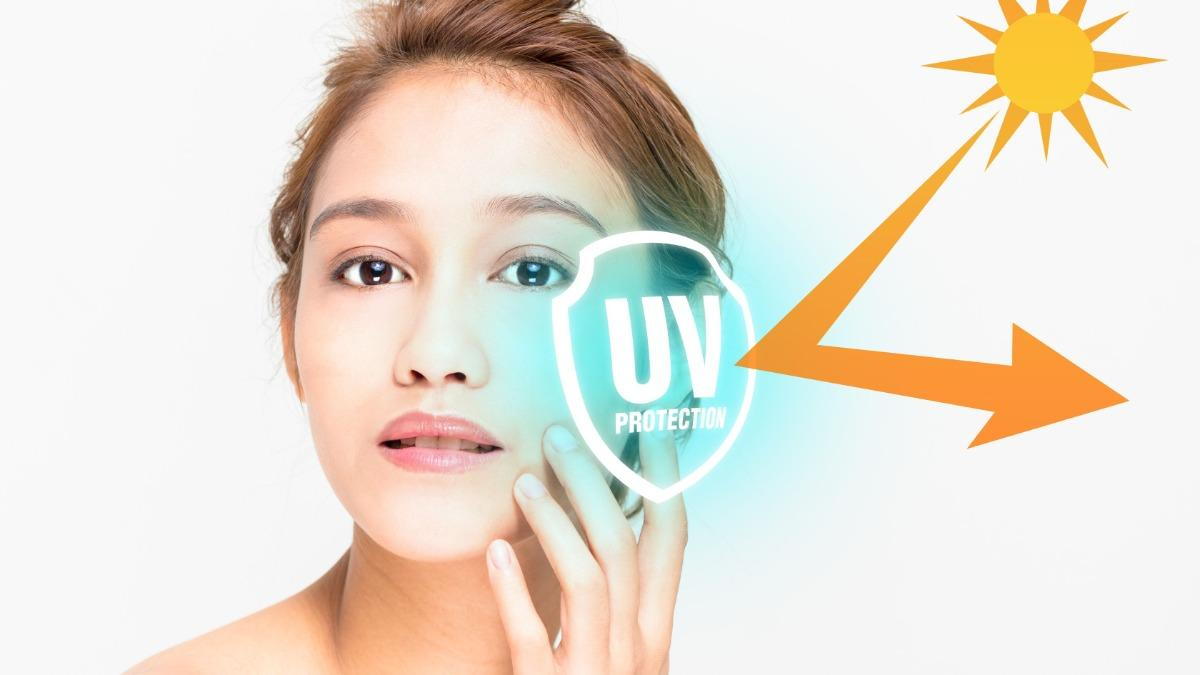
As temperatures rise and daylight hours stretch longer, it’s important for parents to think beyond fun in the sun and turn their attention to something more serious—ultraviolet light safety. Many parents associate sunscreen with beach trips or pool days, but protecting your child from UV exposure is a year-round priority. From infants to teenagers, developing safe sun habits is one of the best things you can do to support your child’s long-term skin and overall health.
Understanding the UV Index: When to Stay Indoors
The UV Index is a daily measure of the sun’s ultraviolet radiation levels. It ranges from 0 (low risk) to 11+ (extreme risk), and checking it should be as routine as looking at the weather. For young children—especially babies and toddlers—exposure during high UV index times (usually 10 AM to 4 PM) can lead to sunburn, dehydration, or heat exhaustion.
When the UV index hits 6 or above, it’s smart to avoid direct sun exposure altogether during peak hours. Plan indoor activities, opt for shaded parks, or go outside early in the morning or late in the afternoon. This proactive approach teaches children to recognize when it’s safer to be inside and why.
Why UV Protection Matters for Children’s Skin

Children’s skin is thinner and more sensitive than adults’. It absorbs more UV radiation, making them more vulnerable to sunburns and long-term cellular damage. According to dermatologists, up to 80% of total lifetime sun exposure occurs before age 18, which is why clinics like Mansfield pediatrics experts emphasize early sun protection as a critical part of child wellness.
Early UV damage accumulates over time and significantly increases the risk of skin cancer, including melanoma—the deadliest form. By practicing ultraviolet light safety now, you’re giving your child a head start toward a healthier adulthood, with fewer wrinkles, less skin damage, and reduced cancer risk.
Protecting Infants Under 6 Months

Babies under 6 months have extremely delicate skin and should be kept out of direct sunlight entirely. Sunscreen is not recommended at this age due to the risk of skin irritation and chemical absorption. Instead, use wide-brimmed hats, light long-sleeved clothing, and stroller shades. Stick to shaded areas, and if possible, plan outdoor time before 10 AM or after 4 PM.
Keeping babies cool and covered isn’t just about preventing burns—it’s also essential for regulating body temperature and preventing heat-related illnesses, which infants are especially prone to. If you have concerns about infant sun exposure, a doctor in Mansfield can guide you on safe outdoor practices for your baby.
Sun Safety for Toddlers: Making It a Habit Early

Toddlers are naturally active and curious, which means they’ll want to play outside. This is the perfect age to start creating sun-safe habits. Use this time to apply sunscreen together as a fun routine. Let them choose their sun hat or UV-protective clothing to increase compliance.
Even short play sessions in high UV conditions can lead to burns. Reapply sunscreen every two hours and after water play. Make applying sunscreen a consistent part of your child’s pre-play routine, just like buckling a seatbelt or brushing teeth.
How to Teach Teens to Take Charge of Their Sun Safety

Teenagers crave independence, so it's crucial to empower them with knowledge and tools to protect their skin. Teach them how to read UV index forecasts, apply sunscreen effectively, and wear sunglasses or hats as a daily habit—especially if they’re involved in sports, band, or spend time outdoors at school. A pediatrician in Mansfield TX can also help reinforce these healthy habits during teen wellness visits.
Peer pressure and social media trends may tempt teens to tan or skip sunscreen. Remind them that tanning is actually a form of skin damage, and emphasize the importance of long-term skin health. Consider showing photos of UV skin scans to demonstrate the hidden effects of sun exposure—this often resonates with image-conscious teens.
Childhood Sunburns and Future Skin Cancer Risk

Just one blistering sunburn during childhood or adolescence doubles your child’s risk of developing melanoma later in life. That’s a staggering statistic that reinforces the importance of early, consistent UV protection.
Children who burn easily or have fair skin, light eyes, or a family history of skin cancer are at even higher risk. If your child experiences a sunburn, soothe the skin with cool compresses and aloe vera gel, and ensure hydration. But prevention is the real game-changer—one that starts with your parenting choices today.
UV Safety Essentials Every Parent Should Know
There are a few basics every family should carry on summer outings and even quick errands:
Broad-spectrum sunscreen with SPF 30 or higher
Wide-brimmed hats or caps with neck covers
Lightweight, UV-blocking clothing
Sunglasses with 100% UVA/UVB protection
A refillable water bottle to stay hydrated
Keep these items in a designated “sun safety bag” and bring it with you to the park, sports practice, or family events. Practicing ultraviolet light safety doesn’t mean avoiding fun—it means being prepared.
The Importance of Sunglasses for Young Eyes

Just like skin, children’s eyes are more sensitive to UV rays. Prolonged sun exposure increases the risk of cataracts, macular degeneration, and eye growth abnormalities later in life.
Choose sunglasses labeled “100% UVA and UVB protection” or “UV400.” For active kids and teens, opt for shatterproof lenses and wraparound frames that stay in place. Mansfield pediatricians recommend making sunglasses a normal part of their routine—just like wearing shoes or a helmet.
UV-Protective Clothing: Function Meets Fashion

Modern sun-protective clothing is comfortable, stylish, and incredibly effective. Clothes labeled with a UPF (Ultraviolet Protection Factor) rating block harmful rays—look for UPF 30 or higher.
Long-sleeved swim shirts (rash guards), sun hats with chin straps, and breathable pants are ideal for outdoor activities. For water play, dry quickly with a towel and reapply sunscreen or swap out damp clothes to prevent burns. Encouraging kids to dress for sun safety makes ultraviolet light safety part of their personal style.
The Best Sunscreens for Babies, Kids, and Teens
Choosing the right sunscreen can be confusing, but here’s a quick guide:
For babies 6 months and older: Choose mineral-based sunscreens with zinc oxide or titanium dioxide. They’re less likely to irritate sensitive skin.
For active kids: Look for water-resistant formulas labeled “broad-spectrum” and SPF 50. Spray sunscreens are convenient, but always rub them in thoroughly.
For teens: Lightweight gels or facial sunscreens are ideal for acne-prone skin. There are even tinted options for added appeal.
Reapply every 2 hours or immediately after swimming or sweating. Don’t forget ears, noses, backs of knees, and tops of feet—commonly missed spots that burn easily. For personalized sun safety tips, Kidsville Pediatrics Mansfield TX offers expert guidance tailored to your child’s needs.
Final Thoughts: Teaching Lifelong Habits
Building a culture of UV light safety in your home isn’t about fear—it’s about confidence. You're helping your children develop habits that will protect them now and empower them for a healthier future. Whether it’s remembering their sunglasses, checking the UV index, or grabbing their sunscreen, small actions today can prevent serious consequences tomorrow.
And if you’re ever unsure about ultraviolet light safety and your child’s skin health or sun exposure in general, don’t hesitate to consult a trusted pediatrician. For parents searching for a reliable clinic, Kidsville Pediatrics is here to support you with expert advice, personalized care, and a commitment to your child’s well-being—rain or shine.
