
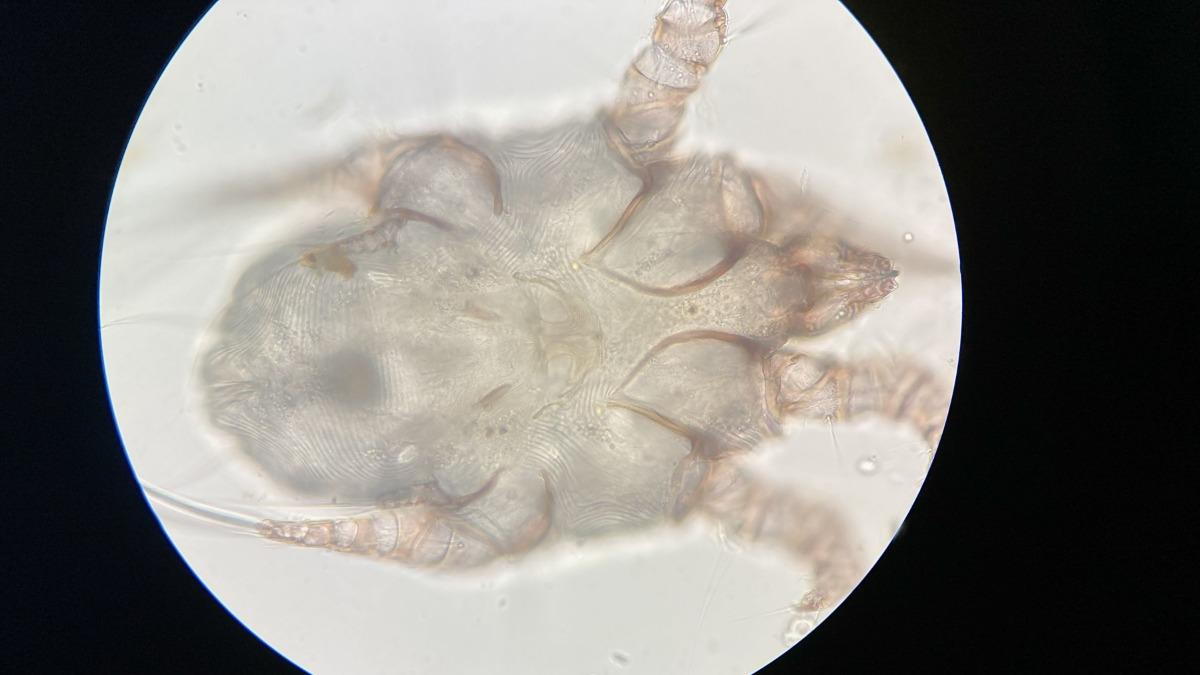
If your child has been scratching non-stop, especially at night, you might be wondering what’s really going on beneath the surface. As a parent, it’s heartbreaking to see your little one uncomfortable, irritable, or losing sleep—especially when you can’t figure out the cause. You’ve ruled out allergies and dry skin, and yet the itch seems to persist. That’s when another possibility starts to creep into your thoughts—the need for scabies treatment!
It’s a word that can cause instant worry, but before you panic, take a breath. You’re not alone, and you’re not a bad parent for not recognizing it right away. Scabies isn’t about poor hygiene or parenting mistakes. It’s something that can affect any child, in any environment—and when it does, it spreads quickly and demands attention.
In this guide, you’ll learn what scabies actually is, how to spot it early, scabies treatment options, and how to deal with it effectively. If you’ve noticed something off about your child’s skin—or if a persistent itch has started to affect their mood, sleep, or even confidence—don’t ignore it.
Trust your gut.
By the end of this read, you’ll be equipped not only with knowledge but also with the confidence to protect your child from this unsettling experience. And if you’re looking for expert care, a trusted Southlake pediatrician can help guide your family through diagnosis, treatment, and recovery.
Scabies Treatment Overview
Scabies mites, the tiny parasites responsible for intense itching and skin irritation, don’t just stay on the body—they can survive for a limited time on surfaces, bedding, clothing, and towels. While these mites prefer living on human skin, they can survive off-host for about 24 to 36 hours, sometimes up to 3 days in favorable conditions (cool and humid environments). This short survival window may seem minor, but it's enough time for mites to spread to others or re-infest someone who’s already being treated.
That’s why cleaning is absolutely essential, even after scabies treatment has begun. While medications like permethrin cream or oral ivermectin kill mites on the body, they don’t do anything about mites lingering on your child’s pillow, pajamas, or favorite stuffed toy.
If these items aren't cleaned thoroughly, there’s a real risk of reinfestation—turning what could have been a one-time treatment into a frustrating cycle of recurring symptoms. If you're unsure about the right cleaning steps or treatment plan, a trusted Southlake Texas pediatrician can provide guidance tailored to your child's needs.
Effective cleaning involves washing all clothing, bedding, and towels used within three days prior to treatment in hot water (details will be discussed later in this article) and drying them in a high-heat setting. Items that cannot be washed must be sealed in a clean plastic bag. Vacuuming carpets, upholstered furniture, and car seats also helps eliminate potential residual mites.
In short, don’t stop at skin-level care. Consider scabies treatment as a two-step procedure: first, treat the body and then, treat the environment. Addressing only one half of the problem leaves the door open for scabies to return, making your child—and everyone in the household—vulnerable once again.
With proper hygiene measures and environmental cleaning, you can break the cycle and help your family move on itch-free and with peace of mind. For expert support and guidance every step of the way, trust the team at Kidsville Pediatrics Southlake to help you navigate treatment and prevention with confidence.
Items to Wash ASAP
When dealing with a scabies infestation in children, treatment doesn’t stop at applying medication to the skin. One of the most critical steps to prevent reinfestation is washing all contaminated items immediately—especially those your child has used or worn in the past 3 to 5 days.
Start with bedding and pillowcases. These are in direct contact with your child’s skin for hours at a time, making them a prime spot for lingering mites. All sheets, blankets, pillowcases, and even mattress covers should be washed in hot water (at least 130°F or 54°C) and dried using the highest heat setting.
Next, focus on towels and bathrobes. These absorb moisture and hold warmth—ideal conditions for mites to survive temporarily. Any towels used by the infested child or shared by other household members should be washed immediately, following the same heat guidelines. If you have questions about which items to prioritize or how to manage household exposure, a trustworthy Southlake pediatrics team can offer helpful recommendations tailored to your situation.
Don’t forget recently worn clothes, including pajamas, socks, and underwear from the past few days. Even outerwear like jackets, scarves, and hats should be washed if worn recently, especially if your child has been experiencing widespread itching.
Finally, pay attention to children’s plush toys and comfort items—blankets, stuffed animals, or cloth books that your child cuddles with. If these can’t be machine-washed, seal them in a plastic bag for at least 72 hours to ensure any remaining scabies mites die off. If you're unsure about what items need special handling, a Southlake pediatric clinic can provide guidance to help you manage your child's environment safely and thoroughly.
Thorough cleaning is just as important as medical scabies treatment. Overlooking any of these items could lead to re-exposure, restarting the cycle all over again.
Items to Clean, Do Not Wash
When treating scabies in children, it's easy to focus only on washing clothes and bedding. But to stop the mites from returning, you also need to clean the items that can’t be tossed in the laundry. These include everyday objects and surfaces your child frequently touches—many of which can harbor mites for up to 72 hours. Ignoring these items increases the risk of reinfestation, even after medical treatment has started.
Start with furniture and upholstery. Sofas, armchairs, and cushions should be thoroughly vacuumed. Pay special attention to areas where your child sits or lies down. If possible, steam cleaning can add another layer of protection, as high temperatures help kill any lingering scabies mites.
Next, tackle car seats and strollers. These are often overlooked but can be in close contact with your child’s skin during daily use. Vacuum all crevices and wipe down surfaces with disinfectant or warm soapy water.
Cribs, mattresses, and changing tables should also be cleaned carefully. While bedding should be washed, the non-removable surfaces need to be wiped and sanitized. A vacuum with a brush attachment can help remove particles from crib mattresses. If you’re unsure about safe cleaning methods for infant furniture, a pediatrician can offer tips that balance both effectiveness and child safety.
Finally, disinfect high-touch items like remote controls, hard plastic toys, light switches, and drawer handles. These items may not seem like common carriers, but scabies mites can cling to any surface that’s regularly touched.
By thoroughly cleaning both soft and hard surfaces, you reduce the chance of your child being re-exposed to scabies. It’s this combination of scabies treatment, laundry, and surface care that ensures full recovery and protects the rest of the household.
Seal and Store
Remember that with scabies treatment, not everything can be tossed into the washing machine. Certain non-washable items—like stuffed toys, shoes, and bulky winter gear—can still harbor mites and must be dealt with properly to prevent reinfestation. That’s where sealing and storing come in.
Start by identifying all non-washable items your child has used in the last week. This includes favorite plush toys, costume accessories, puffy jackets, boots, hats, scarves, and any items made from delicate or absorbent materials that can't be laundered. Even if these things don’t seem like major carriers, scabies mites can cling to soft surfaces and survive for several days without a human host.
Place these items in airtight plastic bags or storage bins with tight-fitting lids. Then, store them somewhere out of reach—like a closet or garage—for at least 72 hours. Some parents go a full week, just to be sure. Why? Because without warmth or skin contact, scabies mites simply can’t survive. This simple step gives them enough time to die off naturally, so you don’t have to worry about them lingering on your child’s favorite things.
If you’re second-guessing how long to store something or which items need sealing, a pediatrician Southlake expert can walk you through it. Sometimes, having a clear plan (and reassurance from a local expert) makes all the difference when you’re dealing with something as stressful as scabies.
To stay organized and avoid unnecessary handling, clearly label each bag with the item name and the date it was sealed. This way, you’ll know when it’s safe to reopen and return the item to use. For homes with multiple children, consider labeling by name as well.
Sealing and storing is a small but essential part of breaking the scabies cycle—helping to ensure that mites don’t find their way back into your child’s daily routine after scabies treatment.
Post-Cleanup Prevention
After treating your child for scabies and thoroughly cleaning your home, one final and vital step remains: prevention. Post-cleaning maintenance is just as crucial as the scabies treatment itself. It ensures that scabies doesn’t return and gives you peace of mind that your efforts paid off.
To prevent re-infestation, avoid close skin-to-skin contact with others until your child's scabies treatment is complete and all cleaning measures are done. Everyone in the household—including close contacts even without symptoms—should be checked and possibly treated, depending on your doctor’s advice. Avoid sharing towels, clothing, or bedding until you’re sure the mites are gone.
When it comes to resuming normal routines like school, daycare, or playdates, your child can typically return 24 hours after the first treatment—assuming the home has been cleaned and other exposed individuals are being monitored. Still, it's important to confirm this with your pediatrician or school nurse to avoid further spread.
So how do you know your cleaning efforts worked? One encouraging sign is a gradual reduction in itching over the first few days, though mild irritation may persist for up to two weeks. New rashes or continued intense itching after that period may signal re-exposure or the need for follow-up treatment.
You’ve taken major steps—from treating the infection to deep cleaning and carefully storing items—to protect your child and others. In the conclusion that follows, we’ll recap these efforts and share final tips to keep your home scabies-free and your child on the path to healing and comfort. If you need guidance or professional care, don’t hesitate to reach out to Kidsville Pediatrics for expert support and compassionate scabies treatment.
