

If you're the parent of a toddler, you already know that every decision—no matter how small—can feel monumental. From sleep schedules to snack times, your little one’s needs are constantly changing, and it can be overwhelming trying to keep up. One area that often brings up questions and uncertainty is what kind of milk your toddler should be drinking. With so many milk options on store shelves and even more advice floating around online, it’s hard to know what’s truly best for your growing child.
You might be wondering whether it’s time to switch to regular milk, if plant-based choices are safe, or if those colorful toddler formulas are actually necessary. The truth is, there’s no one-size-fits-all answer—and that’s okay. The good news? You're not alone, and the right guidance can make this transition smoother and more confident for both of you.
This article will walk you through the wide world of milk options tailored specifically for toddlers, helping you understand what matters most during this important stage of development. Before you dive into the details, take a breath—you’re doing great.
Ready to feel confident about what’s going in your toddler’s cup?
Whole Milk

Between 12 and 24 months, your toddler is growing fast—especially when it comes to brain development. During this window, the fat content in whole milk plays a vital role. Mansfield TX pediatrics experts often recommend giving your child whole milk during this stage because it provides essential fats that support brain growth, nutrient absorption, and energy. But just like anything else in your toddler’s diet, balance is key.
You’ll want to aim for about 2 to 3 cups of milk per day, which equals 16 to 24 ounces. Offering more than that can sometimes reduce your child’s appetite for solid foods, which means they might miss out on other important nutrients from fruits, vegetables, grains, and proteins.
Whole milk provides essential fats for brain development during the earlier years, but after age 2, the focus begins to move toward maintaining a balanced diet rather than relying heavily on milk for calories and fat. Still, every child is different, and that's why understanding milk options matters.
The fats in whole milk do more than just supply energy—they also help your toddler feel full, which can establish better eating routines and reduce the urge to snack constantly. That full feeling helps prevent random grazing and encourages more structured mealtimes. Additionally, whole milk contains fat-soluble vitamins like A and D, which are essential for growth, immune function, and bone health. Without adequate fat, your child may not absorb these vitamins efficiently.
Of course, not every toddler will need or tolerate the same type of milk. That’s why understanding milk options is so important. Your pediatrician can help tailor your child’s nutrition plan based on allergies, dietary preferences, or medical needs. Whole milk is often the standard choice, but it’s just one of several milk options available for toddlers today. Making the best choice means looking at the full picture—your child’s habits, development, and health.
Low-fat or Skim Milk

As your child grows beyond the toddler years, their nutritional needs start to shift. Around age 2, it’s often appropriate to consider transitioning from whole milk to low-fat (1%) or skim milk, especially if your child is growing well and eating a variety of healthy solid foods.
Some children, particularly those with a family history of obesity or who are gaining weight rapidly, may be advised to make the switch to low-fat milk even before age 2—but this should only be done under medical guidance from a doctor in Mansfield. Lower-fat milk has fewer calories and less fat, so it’s important to ensure your child is getting those nutrients from other sources.
Protein, healthy fats, and carbohydrates from whole foods should fill the gap. And while skim milk might seem like a healthy choice, it’s generally not recommended for children under 5 due to its low calorie and vitamin content. Always talk with your Mansfield pediatrician to decide which milk fits your child’s unique needs.
Fortified Soy Milk

If your toddler can’t have cow’s milk due to allergies or dietary restrictions, fortified soy milk may be a reliable alternative. It offers a nutritional profile that closely mirrors cow’s milk, especially in terms of protein, calcium, and vitamin D—key nutrients that support bone development, immune function, and overall growth.
When choosing soy milk, look for unsweetened and unflavored options to avoid added sugars that aren’t necessary for your toddler’s diet. You also want to ensure it’s fortified with calcium and vitamin D, since not all plant-based milks provide the same nutritional benefits.
Soy milk stands out among milk alternatives because of its protein content, making it a more complete substitute than many other non-dairy options. However, some toddlers who are allergic to cow’s milk protein may also react to soy, so it’s important to introduce it carefully and monitor for any signs of intolerance—a concern that pediatricians Mansfield TX specialists, are well-equipped to help you navigate.
Before making any switch, always check in with your pediatrician Mansfield expert to confirm it’s the right fit for your child. They can guide you based on your toddler’s growth patterns, allergy risks, and dietary needs. Finding the right milk substitute isn’t just about preference—it’s about giving your child what they need to thrive.
Fortified Oat Milk

If your toddler can’t tolerate dairy or soy, fortified oat milk may be a gentle and nutritious alternative to cow's milk. It’s often well-tolerated and typically fortified with essential nutrients like calcium and vitamin D, which are important for bone development. Oat milk can also contain helpful vitamins such as B12 and riboflavin, supporting energy and growth. Many parents find it easy to use oat milk in cereals or baking, which adds flexibility to your toddler’s meals.
However, it’s important to pay attention to the protein content. Oat milk naturally has less protein than cow’s milk, so you’ll need to make sure your toddler is getting enough protein from other sources like meats, legumes, eggs, or dairy-based foods if tolerated. You should also check labels carefully, since some oat milk brands include added sugars. Choosing unsweetened or low-sugar versions is ideal for supporting healthy growth and minimizing unnecessary sugar intake—something the team at Kidsville Pediatrics Mansfield TX can help you assess based on your child’s needs.
Always check with your pediatrician before making oat milk a regular part of your child’s diet. While it can be a smart alternative to cow's milk, it’s not suitable for infants under one year and should only be introduced after reviewing your child’s specific dietary needs and any allergy concerns.
Fortified Almond Milk
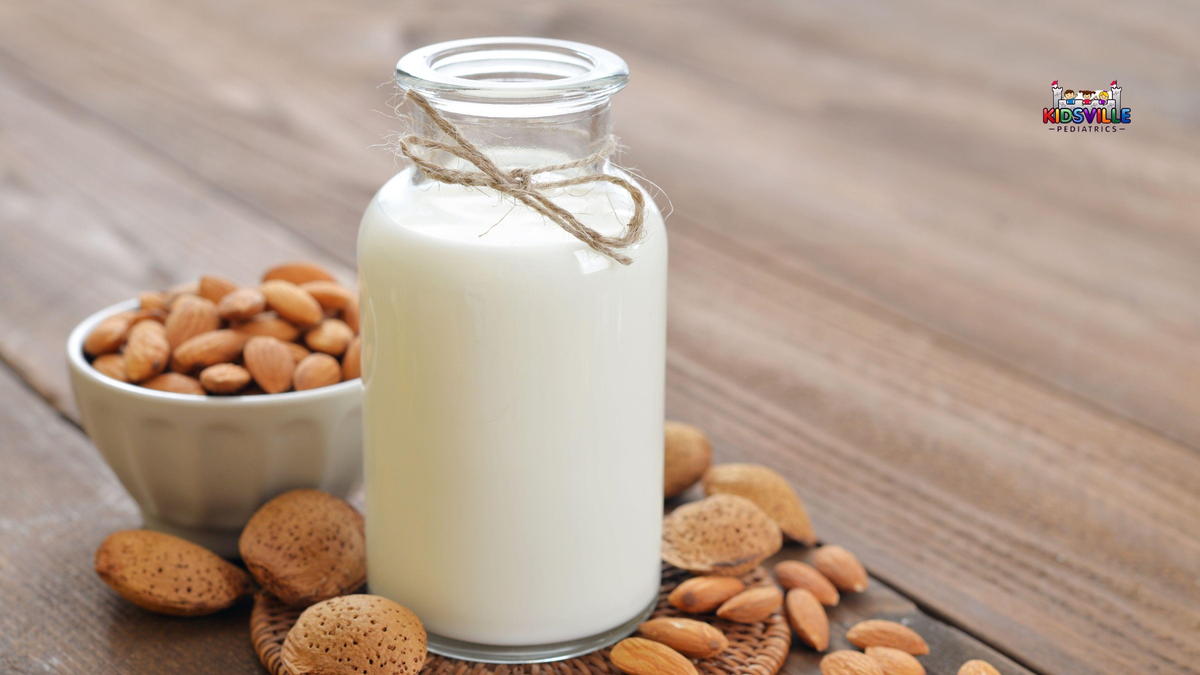
Almond milk is a popular plant-based choice, but it’s important to understand how it compares nutritionally to other alternatives. Unlike breast milk or formula, almond milk does not naturally provide the levels of fat and protein needed for a developing baby’s brain and body. While it can safely be given to toddlers over 12 months old, it should never replace breast milk or formula before that age. A trusted Mansfield pediatrician can help you decide whether almond milk is the right fit for your child’s dietary needs.
When considering almond milk, choose an unsweetened, fortified version. Look for labels that include added calcium, vitamin D, and vitamin A to help support your toddler’s bone growth and immune health. Since almond milk contains significantly less protein and fat than cow’s milk, you’ll need to make sure your toddler’s meals include other protein- and fat-rich foods like meats, eggs, yogurt, or legumes.
Before introducing almond milk, it’s also essential to consider any family history of nut allergies. Always speak with your pediatrician to ensure your toddler’s safety and to confirm whether almond milk is the right choice. There are many milk options, but not all are nutritionally appropriate for every child.
Other Milk Options for Toddlers
Goat’s Milk

Goat’s milk is sometimes chosen by parents looking for alternatives to cow’s milk, especially if their toddler has sensitivities. However, in its natural form, goat’s milk is not ideal for toddlers because it lacks essential nutrients such as vitamin D, folate, and vitamin B12. These nutrients are crucial for brain development, bone growth, and red blood cell production. Without proper fortification, your child could be at risk of nutritional deficiencies, including anemia. If you’re considering goat’s milk, make sure to select a brand that is specifically fortified for toddlers. Also, be mindful of protein content, as goat’s milk can be harder to digest for some children.
Sheep’s Milk

Sheep’s milk naturally contains more protein, calcium, and certain vitamins compared to both cow’s and goat’s milk. However, similar to goat’s milk, it often lacks sufficient levels of vitamin D and folate unless fortified. Even though it’s nutrient-rich, sheep’s milk should not be a toddler’s primary milk source unless you’ve reviewed it with a medical professional. The higher fat and protein content can be beneficial in moderation but may still leave nutritional gaps if used alone.
Before introducing either of these alternatives, speak with your provider at any Mansfield pediatrics clinic. A pediatrician can assess your child’s growth and dietary intake to determine if goat’s or sheep’s milk is appropriate and guide you in choosing a fortified version or planning the right supplements to ensure balanced nutrition.
Consult Your Mansfield Pediatrician
Choosing the right milk options for your toddler can feel overwhelming, especially with so many choices available—each with its own benefits and potential drawbacks. From whole milk to plant-based alternatives like soy, oat, or almond, and even less common options like goat’s and sheep’s milk, every child’s needs are unique. What works wonderfully for one toddler may not suit another, depending on allergies, growth patterns, and dietary preferences.
That’s why it's essential to treat this decision as a collaborative one—between you and your pediatrician. They’re your best ally when it comes to understanding your child’s nutritional needs and ensuring your milk choice supports healthy development. Before making a switch or introducing a new type of milk, schedule a consultation. Your provider can help evaluate your toddler’s diet as a whole and guide you toward safe, well-balanced choices tailored to your child.
No matter which milk options you’re exploring, the goal is the same: to nourish your toddler in a way that helps them thrive. You’ve already taken the first step by seeking out reliable information. With a little expert guidance, you’ll be equipped to make confident decisions—because you know your child best, and you’re not in this alone.
