
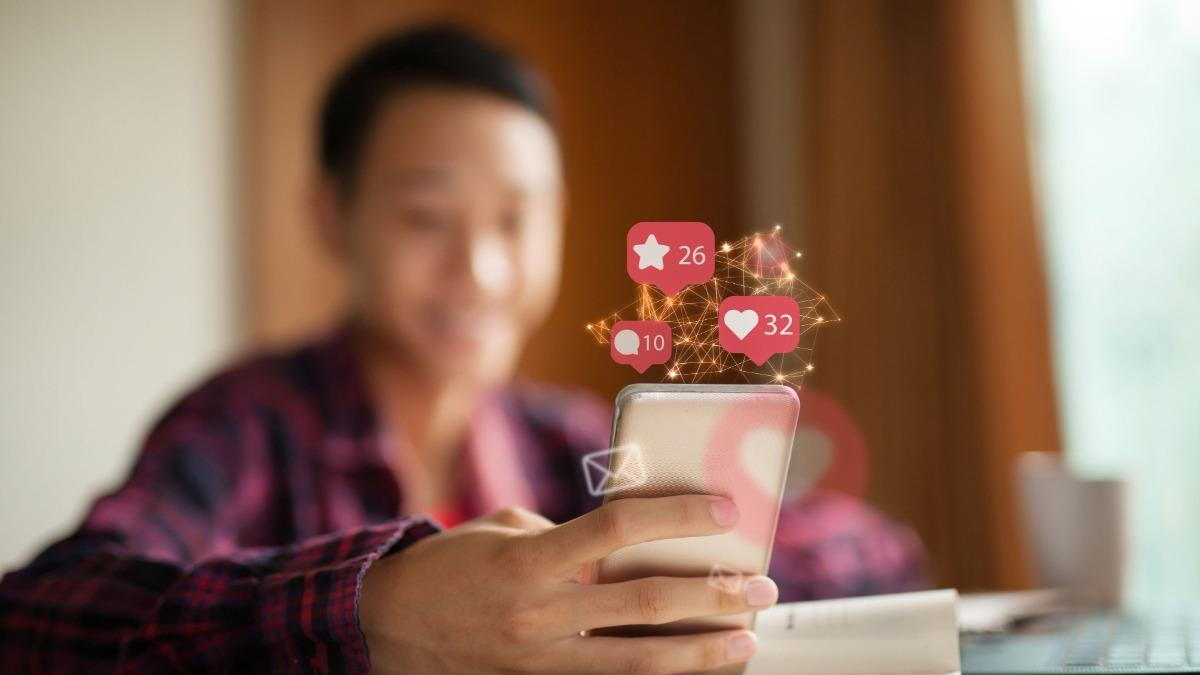
You’ve probably seen your child glued to their screen, giggling at a short video or mimicking a trending dance. TikTok isn’t just a passing craze—it’s part of a growing digital world that shapes how young minds think, feel, and behave. As a parent or caregiver, it’s natural to wonder what all this screen time is doing beneath the surface. You might even ask yourself if it's harmless fun—or if the TikTok effects on your child’s mental, emotional, and social well-being run deeper than you thought.
TikTok, a short-form video hosting service, was created by ByteDance, a Chinese tech company, initially as Douyin in China in September 2016. It was later released internationally in 2017 as TikTok, after ByteDance acquired the similar app Musical.ly in November 2017 and merged the two platforms.
Douyin quickly gained traction, reaching 100 million users in its first year, according to Big 3 Media. The merger with Musical.ly expanded TikTok's global reach, blending features and audiences from both platforms. The result? A viral ecosystem that became a major social media player—and a cultural phenomenon.
Whether your child is just discovering the app or already creating content daily, the TikTok effects on children and teens can be powerful. These effects don’t always announce themselves immediately, but they quietly influence attention, confidence, relationships, and even the way kids see themselves and the world.
This article won’t tell you to delete the app or ignore it completely. Instead, it invites you to take a deeper look. What are the real TikTok effects on young users?
Keep reading—you’re about to uncover what’s really happening behind the screen.
Mental & Emotional Health Effects

Anxiety and depression linked to constant scrolling
Kids may feel overwhelmed by content, especially when exposed to distressing or overly stimulating videos. The constant feed leaves little room for mental breaks, often resulting in emotional fatigue and anxious thoughts—a concern often addressed by a pediatrician McKinney TX expert that families trust for guidance on emotional well-being.Self-esteem issues from comparing with influencers
Teens may compare themselves to filtered, polished creators who seem perfect. This comparison can erode self-worth, especially when young users don’t realize that what they see is often curated or exaggerated.Dopamine addiction and instant gratification cycles
The endless swipe and reward loop conditions the brain to crave instant hits of entertainment, reducing patience and diminishing satisfaction with slower, more meaningful activities like reading or studying.Fear of missing out (FOMO) and social exclusion
If a child doesn’t know the latest trend or viral sound, they may feel out of place among peers, triggering FOMO and heightening social anxiety.Cyberbullying and its psychological toll
Negative comments, body shaming, or being the subject of cruel duets or stitch videos can leave deep emotional scars. As one of the more damaging TikTok effects, this form of cyberbullying is unlike playground bullying—it's public, permanent, and relentless.
Cognitive & Academic Impact

Reduced attention span and concentration
With most TikTok videos under 60 seconds, sustained focus is becoming harder to maintain. Children may struggle with tasks that require prolonged mental engagement.Impact on memory retention and critical thinking
Constant passive content consumption weakens the brain’s ability to store information or form thoughtful opinions. TikTok’s “watch, forget, repeat” rhythm discourages deeper reflection.Disrupted sleep affecting school performance
Many children scroll late into the night, overstimulating their brains with bright screens and fast-paced content. This leads to sleep deprivation, which impacts mood, cognition, and school readiness.Procrastination and academic decline
“Just one more video” can turn into an hour of lost time. As one of the more overlooked TikTok effects, this habit leads students to delay homework, studying, or chores—ultimately impacting their academic performance and time management.Multitasking myths: learning vs. entertainment conflict
Some teens claim they can watch TikTok while doing homework, but studies show that multitasking reduces learning efficiency and increases cognitive overload—something a trusted McKinney doctor might warn parents about when discussing academic and screen time balance.
Behavioral & Social Development

Mimicking risky or inappropriate trends
From dangerous stunts to challenges involving theft or violence, kids may imitate viral content without understanding the consequences or risks.Shifts in attitude and defiance from influencer modeling
Influencers with rebellious or disrespectful behavior can subtly influence how young viewers talk back to authority figures or dismiss rules at home and school.Early exposure to mature content (violence, sexuality, etc.)
Despite content restrictions, many children still access videos with adult themes, affecting emotional maturity and normalizing inappropriate behavior—a growing concern often brought up at a McKinney clinic during pediatric consultations.Peer pressure to create or engage with viral content
Children may feel pushed to participate in trends—even those they’re uncomfortable with—to gain likes or social acceptance.Overdependence on likes for validation
Self-worth can become tied to numbers—views, comments, likes. This fragile sense of validation can lead to mood swings and low confidence when content underperforms.
Digital Safety & Privacy

Unsupervised exposure to predators or inappropriate DMs
Direct messaging on the platform opens the door to contact from strangers, including potential grooming behavior from predators posing as peers.Data privacy concerns and targeted advertising
TikTok gathers vast amounts of user data. Children, often unaware of digital privacy, are especially vulnerable to manipulation through ads and algorithmic content.Inappropriate challenges and dares promoted on For You pages
Trends encouraging self-harm, harassment, or destruction of property have made headlines—sometimes with tragic results. These dangerous behaviors highlight some of the most alarming TikTok effects influencing young users today.Misuse of camera/microphone permissions
Many children unknowingly grant full access to their cameras and microphones, exposing their environment to anyone with malicious intent—an issue McKinney pediatricians increasingly address when discussing digital safety with families.
Body Image & Identity

Unrealistic beauty standards and filters
Filters that slim faces, lighten skin, or enlarge eyes push an idealized image of beauty that distorts how children see themselves in real life.Gender stereotypes and hypersexualization
Many popular videos reinforce narrow definitions of masculinity and femininity, promoting sexualized behaviors at a young age.Eating disorders triggered by toxic body trends
"What I eat in a day" videos and extreme fitness routines can foster unhealthy eating habits or body dysmorphia.Identity confusion due to online personas
Children may struggle to distinguish between their real self and the exaggerated version they present online, creating inner conflict and confusion.
Family & Relationship Dynamics
Conflict between kids and parents over screen time limits
Attempts to limit TikTok use can result in arguments, tantrums, or secrecy, straining parent-child trust and communication.Reduced family interaction due to excessive phone use
Shared meals, conversations, and bonding activities are often interrupted or replaced by endless scrolling.TikTok as a parenting distraction or pacifier
Some parents rely on TikTok to keep children occupied, unintentionally allowing the app to shape their child’s development and values—one of the more subtle yet significant TikTok effects on growing minds.Children imitating adults' TikTok behaviors
When kids see grown-ups doing inappropriate dances or participating in questionable trends, they often copy without understanding context.
Cultural & Social Influence

Exposure to global but sometimes inappropriate content
While cross-cultural exposure can be positive, it can also introduce kids to values, humor, or behaviors not age-appropriate or aligned with family norms.Language development impacted by slang or vulgarity
Young users absorb slang and inappropriate language rapidly, which can affect their vocabulary and communication skills in formal settings.Political misinformation or culture wars influencing young minds
TikTok is a powerful medium for opinion-sharing, and children may absorb biased or misleading information without understanding nuance or verifying facts.Trends encouraging materialism or superficiality
Content promoting luxury lifestyles, shopping hauls, or expensive products can instill unrealistic financial expectations and a shallow sense of success—something the team at Kidsville Pediatrics McKinney encourages parents to monitor as part of healthy media habits.
Creative & Positive Aspects (for Balance)
Opportunities for self-expression and creativity
Many teens use TikTok to dance, write poetry, tell jokes, or share original ideas, boosting confidence and creative thinking.Discovering educational content in fun formats
There’s growing popularity in #LearnOnTikTok, where short, digestible videos explain science facts, language tips, and historical events.Community and belonging in niche interest groups
Kids who feel different or isolated often find comfort in online communities that share their hobbies, identities, or challenges.Early exposure to digital literacy and media creation
Editing, scripting, and engaging with an audience can teach valuable digital skills that translate into future academic or career success.
Final Thoughts
Understanding the TikTok effects on children and teens helps parents move beyond fear or judgment and into action. The app itself isn’t inherently harmful—but without guidance and limits, its influence can quietly shift how young users think, behave, and connect with the world. As always, the key lies in communication, supervision, and being digitally present alongside them.
