
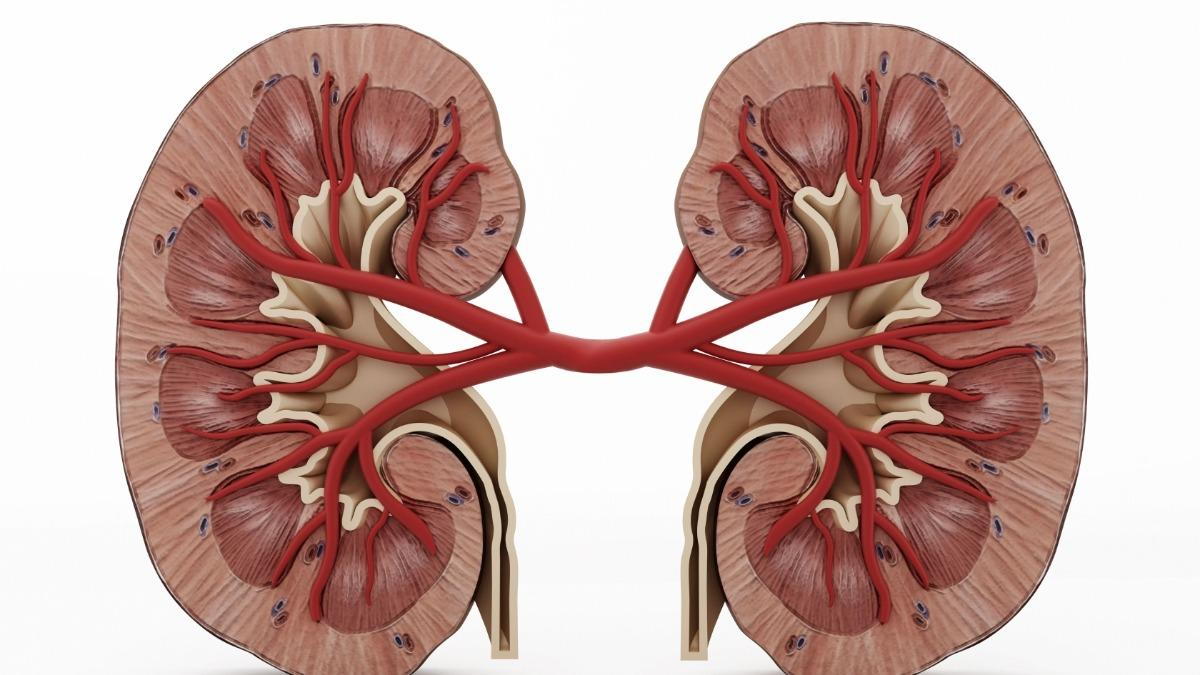
Isn’t it unsettling to hear that your child may have a medical condition involving their kidneys? One such condition is nephrotic syndrome, a disorder that affects how your child’s kidneys filter waste and excess water. While it may sound alarming at first, with early diagnosis and proper care, most children recover well and lead healthy lives.
This article will help you understand what nephrotic syndrome is, how it presents in children, and what steps you can take as a parent to support your child’s recovery.
What is Nephrotic Syndrome?

Nephrotic syndrome is a kidney condition where too much protein passes into the urine, leading to low protein levels in the blood, body swelling (edema), and elevated cholesterol. This happens because the filtering units of the kidney, called glomeruli, become damaged and leak protein (mainly albumin) into the urine.
Normally, protein plays a vital role in maintaining the right amount of fluid in the blood. When protein is lost through urine, fluid leaks out of blood vessels and causes swelling, especially around the eyes, ankles, and belly.
Nephrotic syndrome is more common in children than adults and typically affects kids between the ages of 2 and 6 years old. However, it can occur in older children and teens as well.
Common Signs and Symptoms

Early symptoms can sometimes be mistaken for other common childhood issues, so awareness is key. Look out for:
Puffiness around the eyes, especially in the morning
Swelling in the feet, ankles, or belly
Sudden weight gain due to fluid retention
Decreased appetite
Fatigue and irritability
Foamy or frothy urine
Toddlers may have noticeably fewer wet diapers or go longer between bathroom trips.
These symptoms may develop slowly over days or weeks. In some cases, swelling can become quite pronounced and may lead to difficulty breathing or abdominal discomfort.
Causes and Types

In most children, nephrotic syndrome is idiopathic, meaning the cause is unknown. The most common type is Minimal Change Disease (MCD), named for the tiny changes seen in kidney tissue under a microscope. This form responds well to treatment and has an excellent prognosis.
Less common types include:
Focal segmental glomerulosclerosis (FSGS) – more severe and may lead to chronic kidney damage
Membranoproliferative glomerulonephritis (MPGN) – rare and may be associated with infections or autoimmune disorders
Secondary nephrotic syndrome caused by infections, medications, or systemic diseases like lupus
Understanding the underlying cause helps doctors and McKinney pediatricians determine the best course of treatment.
How is Nephrotic Syndrome Diagnosed?

If your child begins showing signs of illness, their pediatrician McKinney professional might suggest a series of tests to confirm the diagnosis:
A urine test – may be done to detect elevated levels of protein.
A blood test – may be used to evaluate albumin levels, cholesterol, and overall kidney function.
Ultrasound – to assess the size and shape of the kidneys
Kidney biopsy – rarely done unless the child doesn’t respond to treatment or has an atypical presentation
Identifying the condition early plays a key role in controlling symptoms, and a McKinney doctor can assist in avoiding serious complications.
Treatment and Management

The main objective of treatment is to minimize protein loss, ease symptoms, and lower the risk of further complications. Treatment for most children diagnosed with nephrotic syndrome typically includes:
Corticosteroids – usually prednisone, taken daily or in cycles
Diuretics – to help reduce swelling
Blood pressure medications – if needed
Dietary adjustments – may include reducing salt to help limit fluid buildup in the body.
For minimal change disease, most children respond well to steroid therapy within a few weeks. In cases where children do not respond or have frequent relapses, additional medications like immunosuppressants (cyclophosphamide, cyclosporine, or tacrolimus) may be prescribed.
Children are often monitored closely with regular urine tests, weight checks, and follow-up visits to track progress.
Living with Nephrotic Syndrome: A Parent’s Guide

Caring for a child with nephrotic syndrome can be emotionally and physically demanding, especially during relapses. Here are some guidelines in the management of this condition:
Stay consistent with medication: Even when symptoms improve, follow the pediatrician’s instructions closely.
Watch for signs of relapse: Swelling, weight gain, or changes in urine may indicate a recurrence.
Reduce salt intake at home: Encourage fresh, unprocessed foods and limit salty snacks or canned items.
Keep track of your child’s weight and fluid intake: Sudden changes can signal fluid retention.
Protect against infections: Children with nephrotic syndrome are more prone to infections. Make sure they stay up to date on vaccinations, and avoid crowded places during outbreaks.
Communicate with your child’s school: Make teachers and school nurses aware of the condition in case symptoms reappear.
Support groups or talking with other parents of children with chronic conditions may also help you cope and gather helpful advice.
When to Seek Medical Attention
Call your McKinney pediatrician right away if you notice:
High fever or signs of infection
Increased swelling or difficulty breathing
Sudden weight gain over a few days
Decreased urination or dark-colored urine
Any unusual behavior or extreme fatigue
Quick action can prevent complications such as infections, blood clots, or kidney failure.
Prognosis and Long-Term Outlook
The outlook for most children with nephrotic syndrome is very positive—especially those with minimal change disease. Approximately 80-90% of kids respond to the first treatment. Some may undergo relapses which have been observed to decrease over time, more so as they grow older.
Children with other types of nephrotic syndrome may require more complex treatment and follow-up with a pediatrician McKinney expert or a pediatric nephrologist.
With supportive care, a healthy diet, and proper medication, many children return to normal activities and continue to thrive.
Final Thoughts
While the diagnosis of nephrotic syndrome can be overwhelming for any parent, remember that most cases in children are treatable and manageable with early medical care and family support. Staying informed, recognizing symptoms early, and working closely with your pediatrician can make all the difference in your child’s health journey. At Kidsville Pediatrics, we’re here to guide you through every step, from diagnosis to long-term care, to help your child live a full and vibrant life.
