

As parents, we’re often the first line of defense when it comes to spotting signs that something’s not quite right with our kids. While the occasional sneeze or skipped meal may not mean much on its own, some subtle and not-so-subtle changes in your child’s behavior, energy, or appearance can signal the start of an illness. At Kidsville Pediatrics Southlake, we believe that early detection can make all the difference in getting your child the care they need and deserve.
Whether your child is a curious toddler or an active teen, here are 10 signs that may mean your child is coming down with something—and what you should do about it.
1. Sudden Fatigue or Low Energy

If your child who normally bounces off the walls is suddenly lying on the couch all day, that’s a clue worth paying attention to. Fatigue is often the body’s first response to a viral or bacterial infection. When the immune system ramps up to fight off invaders, it can leave the body feeling depleted.
This drop in energy is especially significant if it's paired with other symptoms like fever, chills, or sore throat. Monitor your child’s activity level for a day or two and encourage rest and hydration.
2. Loss of Appetite or Eating Less

Children often go through food phases, but if your child suddenly loses interest in food altogether, especially if they also refuse snacks or favorite meals, that could be a sign they’re not feeling well.
Illness can disrupt the digestive system, leading to nausea, stomach upset, or just a general disinterest in eating. Southlake doctors recommend keeping an eye out for signs of dehydration, like dry lips or reduced urination.
3. Fever or Chills
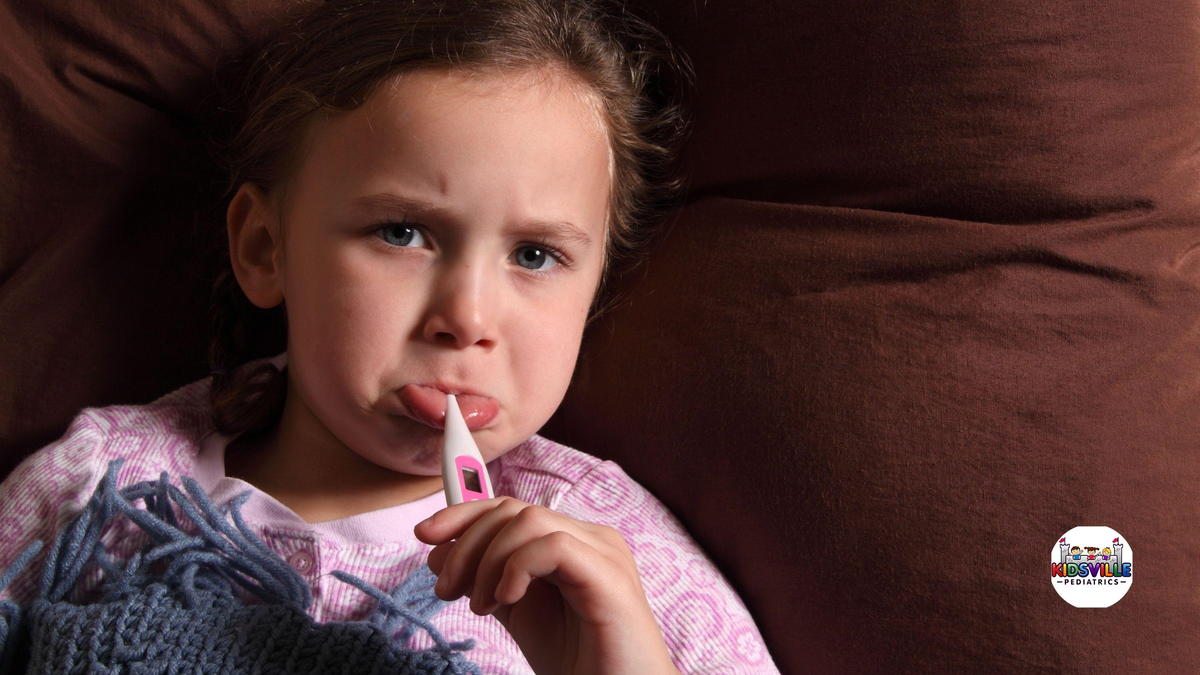
A fever is the body’s natural way of fighting infection. While mild fevers can often be treated at home, a persistent or high fever in infants, toddlers, or school-aged kids should not be ignored.
Watch for other symptoms accompanying the fever—such as chills, body aches, or headache—and don’t hesitate to contact Kidsville Pediatrics Southlake if you're unsure whether your child needs a checkup.
4. Coughing, Sneezing, or Runny Nose

The classic symptoms of the common cold or seasonal allergies can also be the early signs of more serious illnesses like influenza, RSV, or even pneumonia in young children.
If your child develops a persistent or worsening cough, wheezing, or shortness of breath, these symptoms warrant medical attention. Southlake pediatrics experts encourage families to keep tissues, hand sanitizers, and masks on hand to limit the spread of germs—especially in households with younger siblings or elderly family members.
5. Unusual Irritability or Mood Swings
Not all symptoms of illness are physical. Sometimes the first clue is behavioral. If your child becomes more irritable, whiny, tearful, or prone to tantrums, they may be struggling with something they don’t yet know how to express.
Little ones may struggle to explain what they’re feeling. Instead, they show discomfort through their mood. Look for other red flags like clinginess, poor sleep, or refusing to play with toys or siblings.
6. Complaints of Headache, Sore Throat, or Stomach Pain
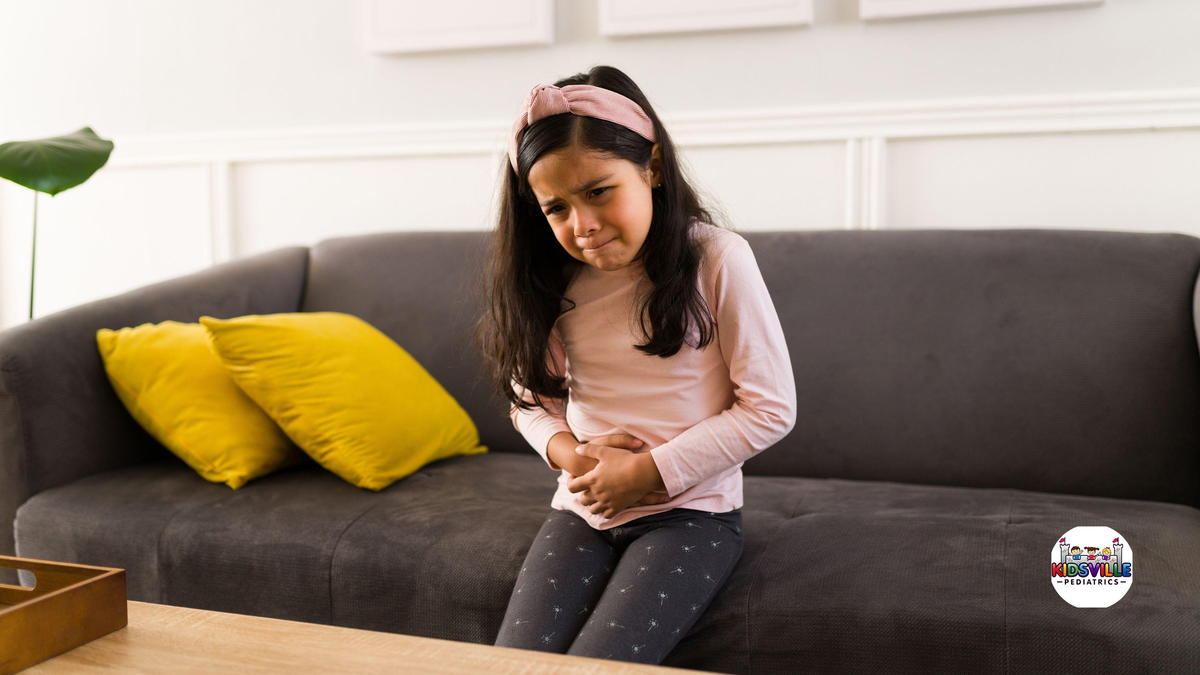
Older kids and teens may be able to tell you that their head hurts or that their throat feels scratchy. Don’t brush these off—especially if the pain is persistent or increases in severity.
Sore throats can be the first sign of strep, which needs antibiotic treatment. Headaches may signal anything from dehydration to sinus infections, and stomachaches may indicate a viral illness, constipation, or even anxiety.
Whenever your child starts complaining about these discomforts, it’s a good time to check in more thoroughly and seek guidance from Kidsville Pediatrics Southlake if needed.
7. Changes in Sleep Patterns
Is your child suddenly sleeping way more—or far less—than usual? Both can be red flags. Illness often brings fatigue that leads to oversleeping or frequent napping. Conversely, symptoms like coughing or fever can disrupt sleep and cause frequent waking.
Nighttime restlessness, new nightmares, or sleeping in odd positions may also indicate earaches or other discomforts. Southlake pediatricians recommend keeping a simple sleep log if the pattern continues, as it can help your pediatrician identify the root cause.
8. Skin Changes or Rashes
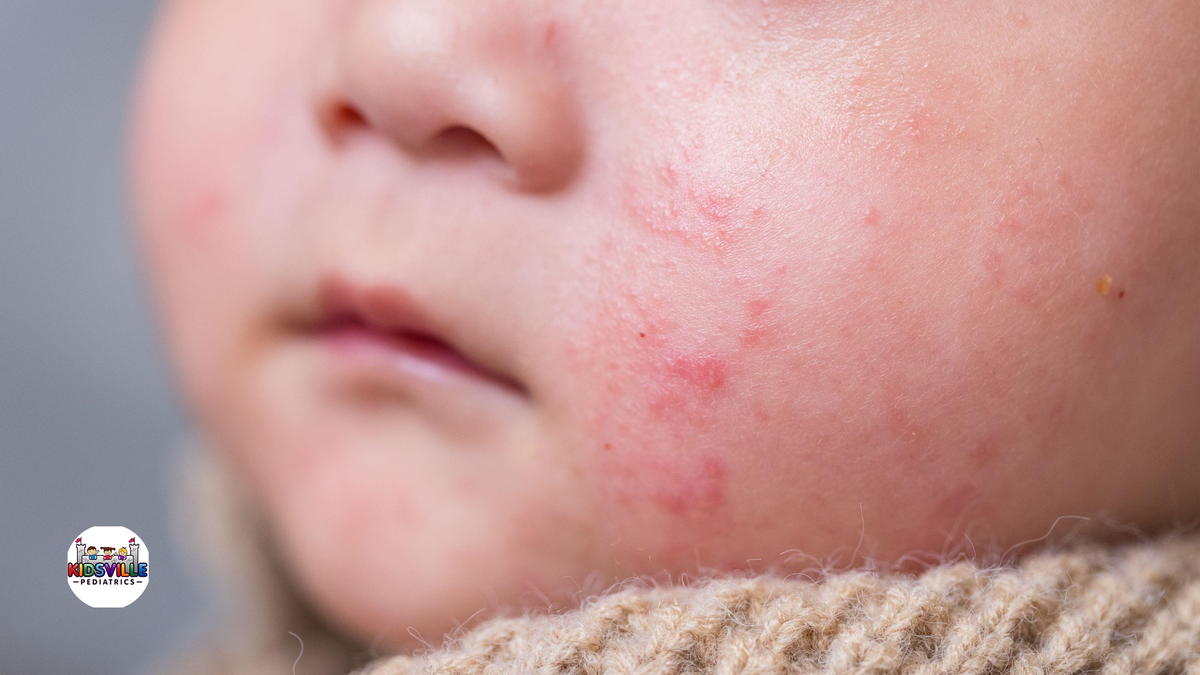
Your child’s skin can say a lot about their health. Rashes, flushed cheeks, paleness, or dark circles under the eyes may be indicators that something is brewing internally.
Look for other accompanying symptoms, such as itching, swelling, or fever. Some rashes are viral and will pass on their own, but others—like those from allergic reactions or bacterial infections—may require treatment.
9. Difficulty Concentrating or Poor School Performance

Kids who aren’t feeling well often show it in their schoolwork. A sudden drop in grades, lack of interest in homework, or difficulty paying attention in class may be a sign that your child is battling something physically or emotionally.
Illnesses like the flu or mono can drain mental clarity. Even mild dehydration or sleep deprivation can impact focus. If teachers are noticing a change, it’s worth scheduling a check-in with Kidsville Pediatrics Southlake to rule out any underlying health issues.
10. Clinginess or Withdrawal

Younger children might become clingy or overly attached when they’re sick, while older kids and teens might withdraw, wanting more time alone in their room. These behavior shifts, especially when coupled with other symptoms, could point to early illness—or even mental health concerns like anxiety or depression.
Pay attention to patterns: if the behavior is sudden and out of character, it could be linked to physical discomfort. If it’s longer-lasting, it may be worth discussing with your child’s doctor or a mental health provider.
When to Call the Pediatrician
While many minor illnesses resolve on their own, parents should trust their instincts. If you notice multiple signs happening at once—or if something just doesn’t seem right—don’t hesitate to reach out.
At Kidsville Pediatrics Southlake, we’re here to help you sort through the signs, offer peace of mind, and provide expert care when needed. We offer same-day appointments, telehealth options, and a compassionate team of doctors who specialize in children’s health from infancy through adolescence.
Tips for Early Detection and Prevention
Note any changes in a daily log to monitor symptoms over time.
Practice good hygiene like handwashing and covering coughs/sneezes
Make sure your child’s vaccinations are up to date
Teach kids to listen to their bodies and speak up when something feels off
Stay informed about seasonal illnesses through trusted pediatric sources
Remember, your child doesn’t need to have all ten signs to be getting sick—just one or two might be enough to warrant a closer look.
If you ever find yourself wondering, “Is this serious, or just a phase?”—that’s exactly what we’re here for. Don’t guess. Contact Kidsville Pediatrics Southlake and let our dedicated team help keep your child happy, healthy, and thriving.
