
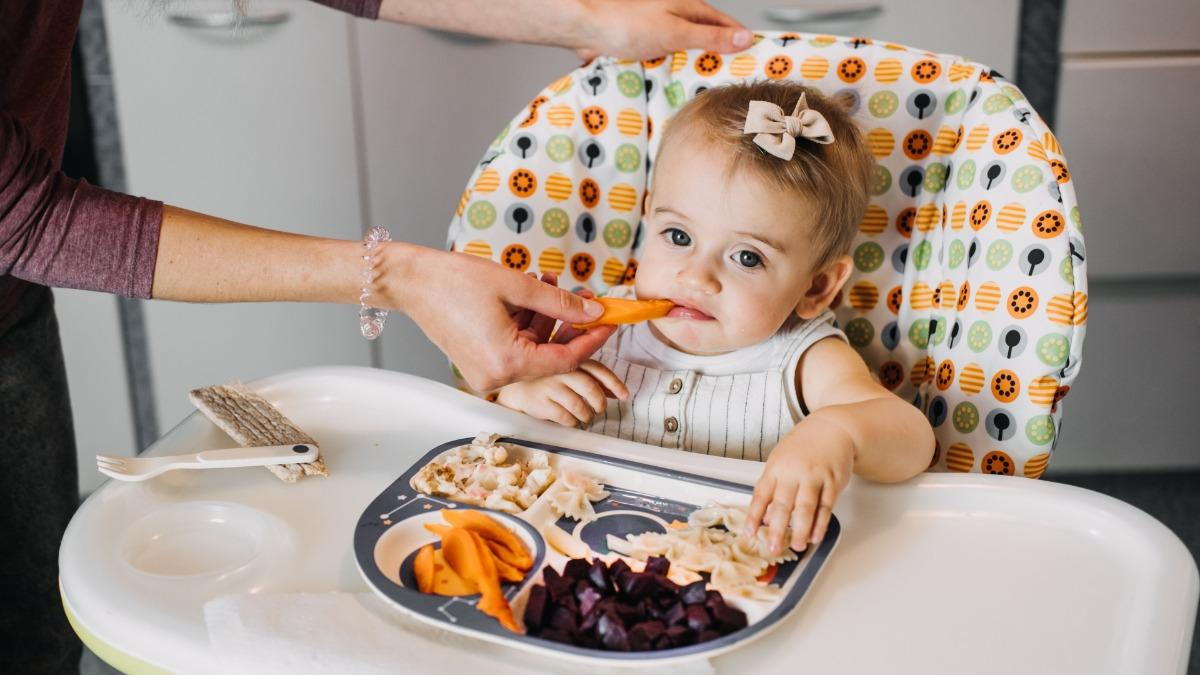
One of the biggest milestones in your baby’s first year is moving from milk to real food. This step, called weaning, isn’t just about filling tummies—it’s about letting little ones explore new flavors, textures, and habits that will carry into childhood. Done with patience and a bit of fun, it can set the stage for a positive relationship with food.
When’s the Right Time?

Babies are usually ready to start solids at about six months. By then, they can usually sit up on their own, show interest in what you’re eating, and have lost the tongue-thrust reflex (pushing food out with their tongue). Every child is different, so instead of looking at the calendar alone, watch your baby for these signs. Starting too early can upset their tummy, but waiting too long might make the transition harder.
First Foods to Try
You don’t need fancy store-bought jars to begin. Start simple: mashed sweet potatoes, pureed carrots, bananas, or iron-fortified baby cereal mixed with breast milk or formula. Keep it one ingredient at a time so you can spot any reactions. Let your baby try one food for a few days before you add another. Skip the salt, sugar, and honey for now—babies don’t need them and they can even be harmful. Once your baby gets the hang of it, slowly move toward chunkier textures and soft finger foods.
Why Variety Matters

Think of this stage as shaping your child’s food adventure. Offering a rainbow of fruits, veggies, grains, and proteins helps them accept more flavors down the road. It also lowers the chance of picky eating. Don’t worry if they reject something at first—kids often need several tries before liking a new food. A pediatrician can reassure you that this is normal and give tips on how to keep mealtimes positive. The more variety you give now, the more flexible they’ll be with food as they grow.
Common Struggles and How to Handle Them

Almost every parent faces a few bumps during this stage. Maybe your baby spits out every spoonful, or gags when trying a new texture. Remember: gagging is different from choking and is usually just part of learning. Be calm and keep trying, making sure you do not turn mealtimes into battles. If broccoli is a no today, try again in a few days—or serve it in a new way. A relaxed, encouraging vibe at the table helps a lot.
Weaning Safely
Safety comes first when it comes to weaning. Always cut food into tiny pieces to avoid choking. Skip whole grapes, popcorn, nuts, and hard raw veggies until your child is older. Introduce allergy-prone foods like eggs, peanuts, and dairy slowly and with your Southlake pediatrician’s guidance. And don’t forget hygiene: wash hands, clean utensils, and store food properly to avoid tummy troubles.
Building Healthy Habits Early

Once your child is comfortable with solids, shift the focus to balance. Offer colorful plates—fruits, veggies, whole grains, and proteins. Try to keep sugary snacks and heavily processed foods off the table as much as possible. This is also the perfect time to set up family mealtime routines. Eating together not only strengthens family bonds but also teaches your child that mealtime is about connection, not just food.
Moving Into the School Years
As your little one grows, mealtime challenges will look different. School-aged kids need fuel to keep up with learning, playing, and growing. Pack lunches with variety—apple slices, carrot sticks, sandwiches on whole grain bread, or yogurt with berries. Kids love having a say, so let them pick between healthy options. When they help plan or prepare food, they’re much more likely to eat it.
Teens and Their Growing Appetites

By the teen years, nutrition becomes even more important. Extra energy is needed to keep up with rapid growth, sports, and busy days. Iron, calcium, and protein are especially key during this stage. While teens may lean toward fast food, you can make healthier options easy to grab at home—smoothies, trail mix, or wraps. This is also the age where body image concerns pop up.
A pediatrician Southlake professional can provide guidance on balanced nutrition and help families navigate these changes. Keep conversations about food focused on strength, health, and balance, rather than weight or restriction.
Make Food Fun for the Whole Family

One of the best ways to raise healthy eaters is to make food fun. Let toddlers mash bananas or stir a bowl, and as kids get older, teach them simple recipes. Share cultural dishes, try new cuisines together, or make “taste tests” part of family night. When kids see food as an enjoyable experience, they’re more open to trying and appreciating different foods throughout life.
Pedia Near Me: Final Thoughts on Weaning
The journey of weaning is really the first step in teaching kids how to enjoy food. From those messy first spoonfuls to sitting around the table as teens, each stage is a chance to build healthy, happy habits. It doesn’t have to be perfect—what matters most is patience, consistency, and creating a positive food environment. At Kidsville Pediatrics Southlake, we’re here to support families through every step of this journey. With your guidance, your child can grow up seeing food not just as fuel, but as something to enjoy and share.
