
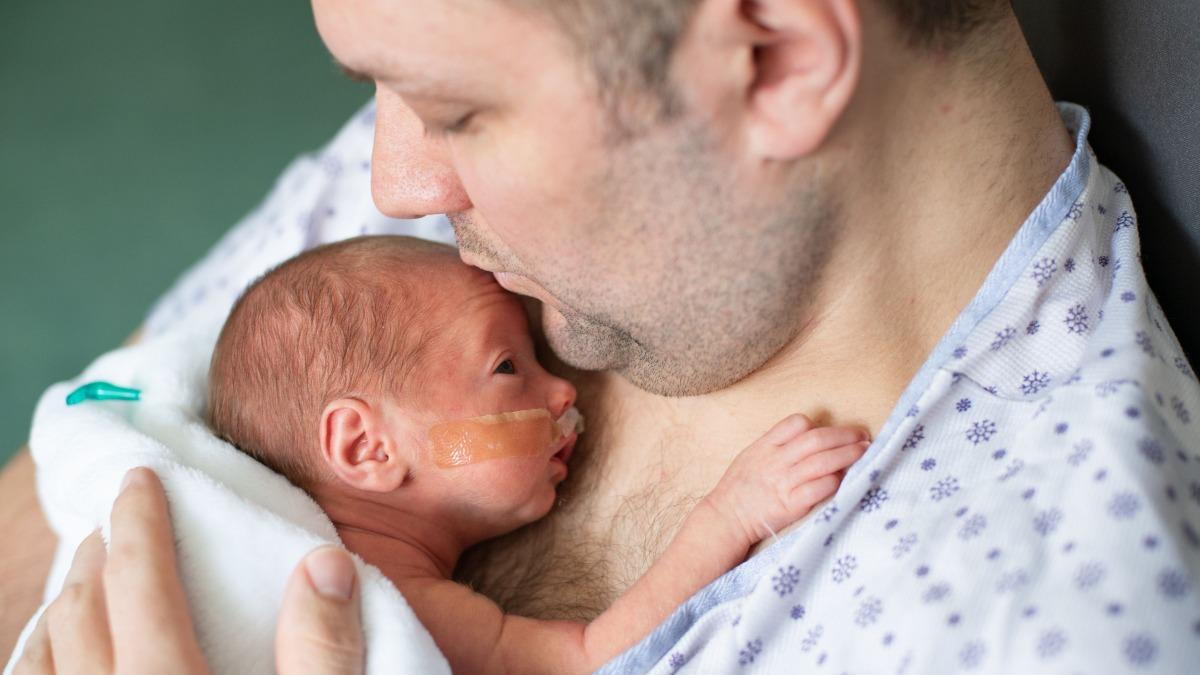
Welcoming a premature baby home often brings a mix of excitement and uncertainty for parents. Unlike full-term newborns, preemies often need special care, closer monitoring, and extra patience as they adjust to life outside the womb. For families, it can feel like stepping into unknown territory, but with the right information and support, caring for your baby becomes not only manageable but deeply rewarding.
Understanding a Premature Baby’s Needs

A premature baby is one born before 37 weeks of pregnancy, and every week earlier increases the likelihood of unique health needs. Preemies may have underdeveloped lungs, weaker immune systems, and difficulty feeding. Parents should understand that milestones may be reached at a slightly different pace, using “adjusted age” based on the due date rather than the actual birth date.
Doctors and nurses will often provide a detailed care plan before a baby leaves the neonatal intensive care unit (NICU). This plan includes feeding schedules, medications if needed, and guidelines for monitoring growth. Parents should not hesitate to ask questions and clarify anything that feels uncertain. Being informed is one of the best tools you have to ensure your child’s safety and progress.
Nutrition and Feeding Challenges

Feeding a preemie requires special attention. While breast milk remains the best choice, not every baby can feed at the breast right away. Some may need breast milk fortified with extra calories, vitamins, or minerals to support steady growth. Pumping breast milk allows babies to benefit even if they cannot latch.
Some premature infants may use feeding tubes at first until they can coordinate sucking, swallowing, and breathing. This process takes time and patience. To support healthy growth, parents are encouraged to partner with a pediatrician in Southlake or a lactation consultant when creating a feeding plan that meets their baby’s nutritional needs. Over time, with consistency and practice, many babies catch up and begin feeding like their full-term peers.
Protecting Against Illness

Because preemies are more vulnerable to infections, illness prevention becomes a top priority. Handwashing before handling your baby is one of the simplest yet most effective steps. Limiting exposure to large crowds or sick visitors during the first months is equally important. Even common colds can have serious effects on premature infants.
Vaccinations are another vital step in protecting your child. By recommending the flu shot for parents, siblings, and caregivers, pediatricians aim to create a circle of safety around the baby. In some cases, preemies may qualify for special preventive medications against respiratory syncytial virus (RSV), which can cause severe respiratory illness.
Supporting Growth and Development

A premature infant may develop at a slightly slower pace than a full-term baby, and that’s perfectly normal. What matters most is steady progress. A Southlake TX pediatrician can guide parents on supporting milestones through activities like tummy time, which helps strengthen muscles, while gentle interaction such as talking, reading, or singing encourages cognitive and language development.
Developmental checkups with your Southlake pediatrician are key. These visits assess not only height and weight but also motor skills, reflexes, and sensory development. If delays are noticed, early intervention therapies can make a significant difference. Many preemies eventually catch up to their peers by school age with the right support.
Building a Safe Home Environment

The home environment plays an important role in a preemie’s health. Parents should ensure a smoke-free, allergen-minimized, and calm atmosphere. Room temperature should be kept comfortable since premature infants may struggle with body temperature regulation.
Safe sleep practices are also critical. Babies should be placed on their backs in their own crib with a firm mattress and no loose blankets or toys. Premature babies are at higher risk of sudden infant death syndrome (SIDS), so following pediatric sleep guidelines can help reduce that risk.
Emotional and Parental Support

Caring for a preemie can be emotionally challenging. Parents may feel guilty, anxious, or overwhelmed by the medical needs of their child. It’s important to acknowledge these feelings and seek support. Talking with your pediatrician Southlake expert, joining a support group, or connecting with other preemie parents can provide both reassurance and practical advice.
Self-care is equally important. Parents should try to rest when possible, eat nutritious meals, and accept help from family or friends. Caring for yourself allows you to be more present and attentive to your baby’s needs. Remember, you are not alone—many families have walked this path and found strength in community and professional guidance.
When to Seek Medical Attention
Even with careful monitoring, there may be times when medical help is needed. Parents should call their pediatrician if their baby shows signs of difficulty breathing, has a fever, refuses to eat, or seems unusually irritable or lethargic. Early action can prevent complications and give parents peace of mind.
Some premature infants will require follow-up appointments with specialists such as cardiologists, ophthalmologists, or physical therapists. Staying on top of these appointments with trusted Southlake doctors ensures your child receives the care needed for healthy development.
Preparing for School and Beyond
As preemies grow into toddlers and school-age children, parents may notice unique needs in learning, behavior, or social skills. While many children catch up with their peers, others may benefit from extra support in the classroom. Communicating with teachers and school staff about your child’s early history can help ensure they receive appropriate attention and resources.
For teenagers who were born premature, the challenges may be different. Some may require ongoing monitoring for conditions related to their early birth, such as vision, hearing, or lung health. With continuous pediatric care, most can live healthy, active lives just like their peers.
Hope and Resilience

The journey of raising a preemie is filled with challenges, but it is also marked by resilience, love, and milestones worth celebrating. Every ounce gained, every smile, and every step forward becomes a victory. Parents often find themselves stronger and more compassionate because of the path they’ve traveled.
Bringing home a premature baby is not the end of a struggle—it is the beginning of a story filled with courage, growth, and deep connection. With consistent medical care, parental dedication, and a nurturing environment, your child can thrive and experience a bright future ahead.
