
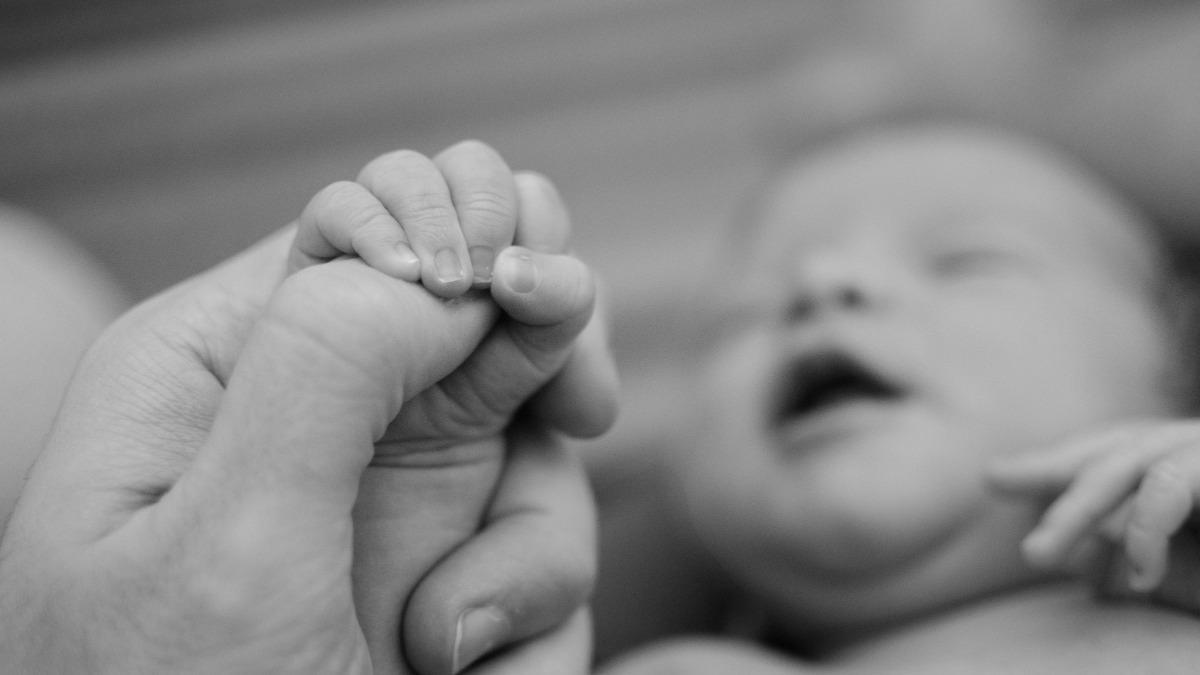
From the very first days of life, parents notice little movements and responses that seem automatic. These are called reflexes, and they play an essential role in early baby development. Reflexes are nature’s way of preparing infants for survival, growth, and learning. Understanding them helps parents appreciate the building blocks of their child’s nervous system and overall health.
What Are Baby Reflexes?

Baby reflexes are involuntary movements or responses that occur without conscious thought. They are present from birth and usually disappear as the child grows older. When you gently touch a newborn’s cheek, they instinctively move their head in the direction of the contact. This action, called the rooting reflex, helps babies find food and demonstrates how the brain and body are connected, something McKinney pediatricians often check during early wellness visits.
The Importance of Reflexes

Reflexes are more than just cute movements. They provide insight into how the nervous system is functioning. Pediatrician McKinney experts check reflexes during regular visits to make sure the brain and spinal cord are developing properly. If a reflex is absent, overly weak, or lingers longer than expected, it could signal a developmental issue that needs further attention.
Common Reflexes in Infants
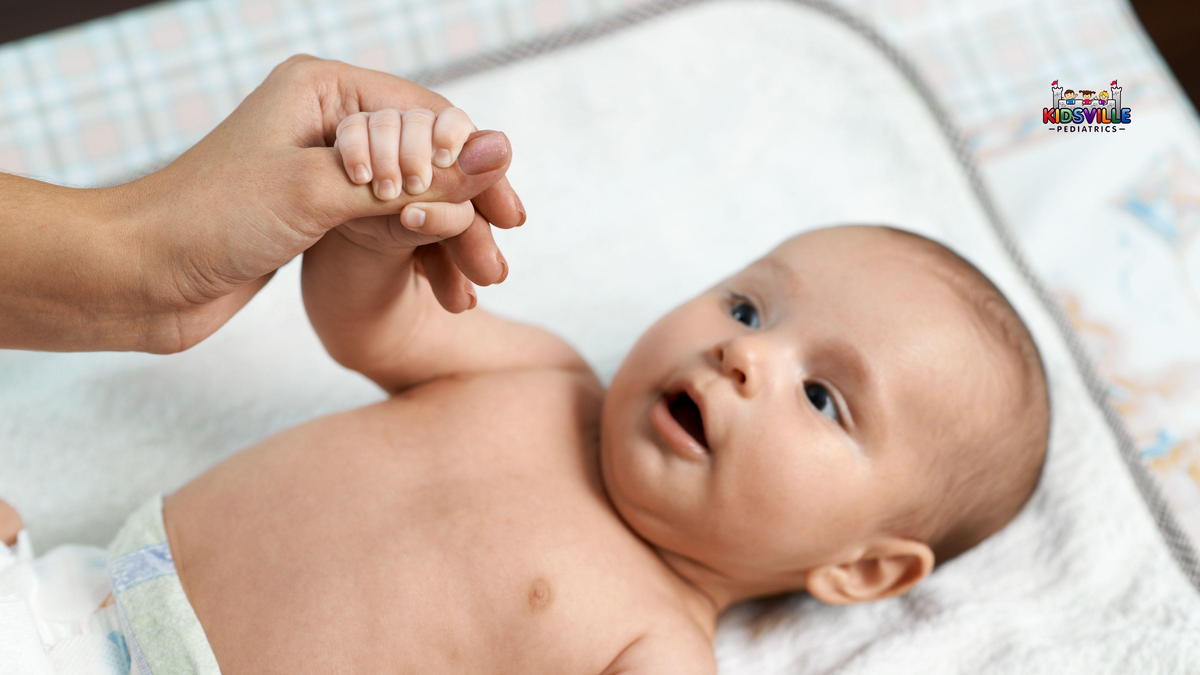
One of the earliest reflexes is the sucking reflex, which allows newborns to feed effectively. The Moro reflex, or startle reflex, makes babies extend their arms when they hear a loud sound or feel a sudden movement. The grasp reflex makes tiny hands close tightly when something touches their palms. Each of these reflexes has a purpose in survival and growth, and a McKinney doctor will often check them during routine exams to ensure healthy progress.
Reflexes That Help with Feeding
Feeding is one of the most important activities in early life, and reflexes play a major role. The rooting reflex helps babies locate the breast or bottle, while the sucking reflex ensures they can drink and swallow safely. Together, these reflexes protect infants from choking and prepare them for the transition to intentional eating as they mature.
Protective Reflexes
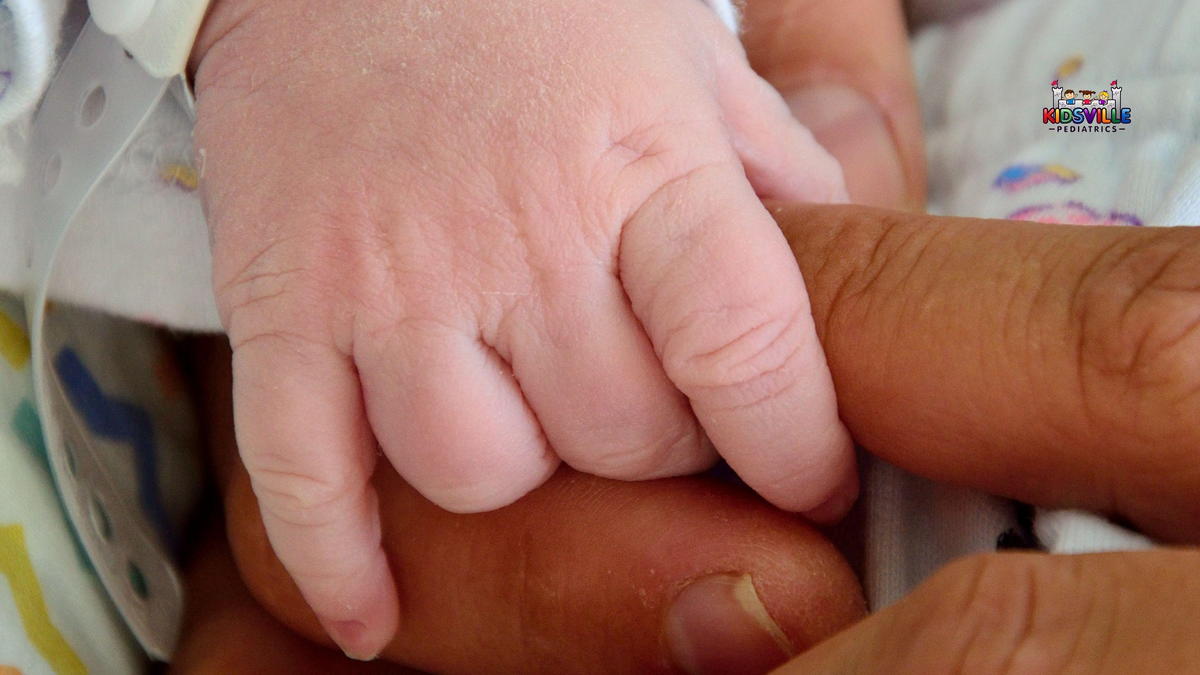
Reflexes also act as protective mechanisms. The blinking reflex helps protect a baby’s eyes when faced with sudden light or an unexpected touch. The stepping reflex, seen when a baby’s feet touch a flat surface, shows the body’s early preparation for walking. These automatic responses may seem small, but they are essential parts of the journey toward independence and are carefully observed during visits to our McKinney clinic.
When Reflexes Begin to Disappear
As infants mature, their automatic reflexes gradually diminish, giving way to intentional movements. Around four months, the Moro reflex typically disappears, while the sucking reflex gradually gives way to purposeful drinking and chewing. The stepping reflex fades in early months but reemerges later as walking skills develop. These changes mark important transitions in baby development.
Reflexes and Early Motor Skills

Reflexes act as a foundation for movement. For example, the grasp reflex paves the way for voluntary grabbing, while the stepping reflex sets the stage for crawling and walking. When babies push their tongues out in response to touch, it prepares them for later speech development. Every reflex contributes to larger motor and cognitive milestones.
Why Reflex Checks Matter
Pediatricians carefully examine reflexes at well-child visits to assess neurological health. Reflex testing is quick but important, as it can reveal potential issues like delayed motor skills, muscle weakness, or neurological disorders. Early identification allows for intervention and therapies that can help children achieve their developmental milestones more smoothly.
Reflexes Beyond Infancy

Although most reflexes disappear within the first year, some responses continue into later childhood. Protective reflexes, such as blinking or withdrawing from pain, remain active throughout life. These reflexes protect children and teenagers from injury, allowing them to react quickly to sudden changes in their environment.
The Connection to Baby Development
The presence and eventual disappearance of reflexes highlight how the brain and body mature together. Reflexes are not random; they are the stepping stones to controlled, intentional movements. Parents often worry when their child’s milestones are slightly delayed, but reflexes provide reassurance that progress is happening in the background of everyday growth.
Supporting Reflex Integration at Home

Parents can support reflex integration by engaging their babies in gentle play. Tummy time, for example, strengthens muscles and helps with motor skills. Providing toys for grasping or encouraging gentle movements also stimulates development. These everyday interactions guide reflexes into purposeful skills, creating a strong foundation for learning and physical activity, and families can always rely on same day scheduling at Kidsville Pediatrics if they have concerns.
Reflexes and Learning
Interestingly, reflexes influence not only physical growth but also learning. Some reflexes help with balance, eye movement, and hand coordination—all of which play a role in reading, writing, and focusing in school. When reflexes integrate smoothly, children are better prepared for tasks in preschool and beyond, showing how baby development has long-term impacts.
When to Consult a Doctor
Parents should consult a McKinney pediatrician if reflexes seem absent, too strong, or persist longer than expected. For example, if the Moro reflex is still present after six months, it may suggest developmental delays. Trusting your instincts as a parent and raising concerns early can help your child get the support they need for healthy growth.
Reflexes in Teenagers and Beyond
By the time children reach their teenage years, most reflexes are long gone. However, the skills they helped build—such as balance, coordination, and protective responses—remain important. Teens rely on these abilities in sports, academics, and social interactions. Reflexes are simply the first steps on a long path of growth that continues throughout life.
Encouraging Parents to Stay Involved
Parents play an important role in observing reflexes and encouraging growth at every stage. From noticing a newborn’s tiny grasp to supporting a teen’s independence, being aware of developmental signs helps children thrive. Remember that every child grows at their own pace, and reflexes are just one piece of the larger picture of health.
Final Thoughts on Reflexes and Baby Development

Reflexes may seem small, but they are powerful indicators of health and growth. They serve as the earliest signs of how the nervous system is functioning and provide reassurance that milestones are on the way. By understanding reflexes, parents can better appreciate the wonders of early baby development and support their children as they grow from tiny infants into capable teens. For guidance, checkups, and personalized care, trust the team at Kidsville Pediatrics—where your child’s health and milestones always come first.
