
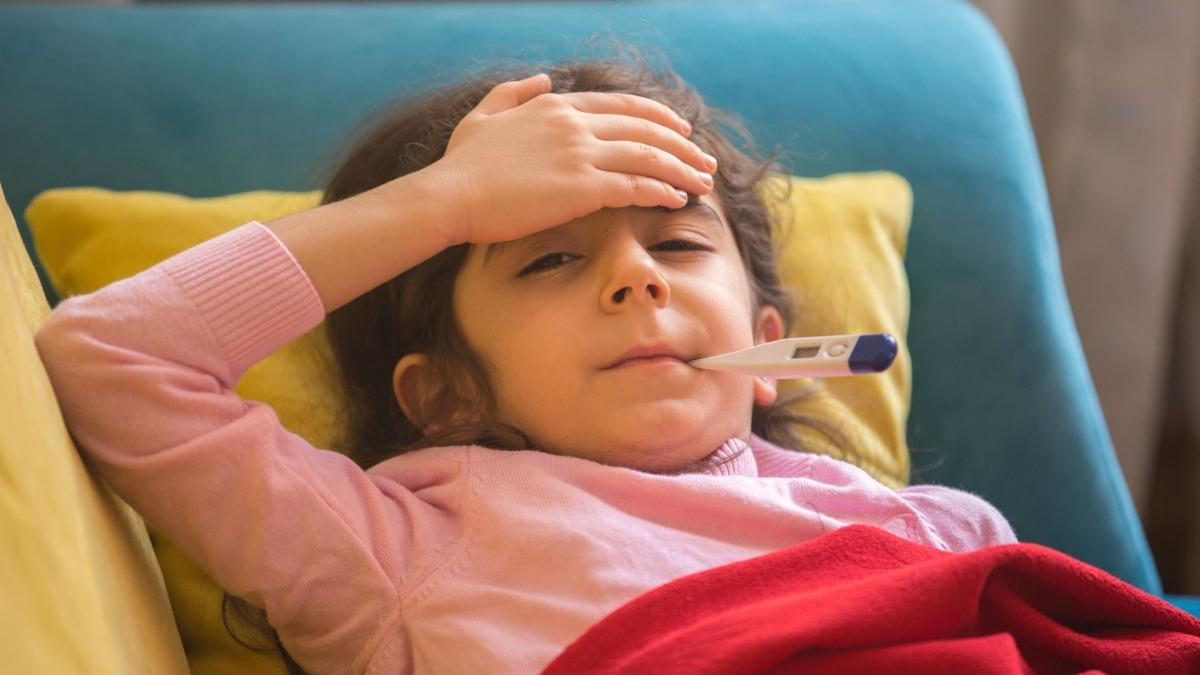
Influenza, or the flu, has been affecting humans for centuries, causing seasonal illness and, at times, widespread pandemics. Understanding its history helps us appreciate how far medical science has come in preventing and managing this common—but potentially dangerous—virus.
Accounts of flu-like illnesses can be traced back to ancient times. Around 412 BC, Hippocrates described symptoms that may have been influenza, and the first well-documented pandemic occurred in 1510. The term “influenza” itself comes from 14th-century Italy, originally phrased as influenza di freddo or influenza di stelle, meaning the “influence of the cold” or “influence of the stars.”
For many years, the cause of the flu was misunderstood. In 1892, scientists mistakenly identified a bacterium called Haemophilus influenzae as the culprit. It wasn’t until the 1930s that the influenza virus was correctly identified, paving the way for vaccines by the 1940s and the development of public health systems designed to monitor and respond to outbreaks.
Throughout history, influenza has triggered major pandemics with devastating consequences. The Spanish flu of 1918–1920, caused by the H1N1 strain, killed tens of millions worldwide and deeply impacted communities already weakened by World War I.
Later, new strains emerged: the H2N2 virus in 1957 caused another global outbreak, and the H3N2 virus in 1968 led to the last major influenza pandemic of the 20th century, resulting in approximately 1-4 million deaths. Even today, flu continues to evolve, reminding us of the importance of vaccines, hygiene, and public health vigilance in protecting children and families.
Flu Can Be Dangerous for Children

Influenza (flu) is a more serious illness compared to the common cold, more so for children. Here in the U.S., with about 73 million children as of 2020, millions get ill every year.
Thousands are hospitalized, and some tragically die from the flu. Young children, particularly those under 5, often need medical care for flu complications.
Children at Higher Risk
Children under 5, especially under 2, and those with chronic health conditions face higher risks of severe flu complications. Children with neurologic conditions are especially vulnerable and more likely to become seriously ill.
Protecting Infants and Young Children
Babies under six months are too young to be administered this kind of vaccination. Protection comes from parents receiving the flu shot during pregnancy and from vaccinating caregivers. This also aids in shielding newborns for the first few months of their lives.
Children aged 6 months to 5 years have high hospitalization rates—CDC data shows 6,000 to 27,000 cases per season between 2010–2020—even among otherwise healthy children. To reduce the risk, parents should look for reliable pediatrics in Southlake TX for guidance on vaccinating children and their close contacts.
Other High-Risk Groups
American Indian and Alaskan Native children, children with chronic conditions (such as asthma, neurologic disorders, heart, kidney, liver, or metabolic disorders, weakened immunity, or those taking aspirin), and children with extreme obesity are at increased risk of severe illness.
Recognizing Flu Symptoms in Children

Influenza (flu) in children often appears suddenly and intensely, unlike the milder, gradual onset of a common cold. Typical symptoms include high fever, chills, severe body aches, headache, and extreme fatigue.
Some children may also experience a dry cough, sore throat, stomach pain, vomiting, or diarrhea. Because the flu can lead to serious complications, prompt recognition and care are essential. Seek immediate medical attention if your child has difficulty breathing, confusion, or a high fever with a rash.
Flu vs. Common Cold
The key difference lies in severity and speed of onset. Flu comes on quickly, often with a high fever, severe aches, and profound tiredness, whereas a common cold develops slowly, usually with mild aches, low-grade or no fever, and minor fatigue. Runny or stuffy noses are more common in colds than in flu.
Complications of Pediatric Flu
While many children recover at home, influenza can lead to serious issues, especially in younger children or those with underlying health conditions. Pneumonia, a severe lung infection, is a significant risk.
Ear infections are common in children following flu, and hospitalization may be necessary for severe cases. Other potential complications include sinus infections, worsening of chronic medical conditions, and dehydration.
Prevention and Care

Recognizing symptoms early, providing supportive care, and seeking medical guidance when needed are key to protecting children during flu season. Annual vaccination remains the most effective way to reduce the risk of severe illness and serious complications.
Hydration
Give plenty of fluids since fever and appetite loss can result in dehydration. Water, juice, or warm soups are good options.
Rest and Comfort
Encourage your child to rest in bed or on the couch with books, magazines, quiet music, or a favorite movie. Dress them up in layers that are not difficult to add or remove should your child experience chills or fever.
Fever and Pain Relief
Use acetaminophen or ibuprofen to manage fever and body aches. Avoid aspirin unless specifically approved by a doctor due to the risk of Reye’s syndrome.
Cough and Cold Medicines
Over-the-counter medicines may be given to children over 6 years old only if approved by a pediatrician Southlake expert. Follow package instructions carefully.
Remember, never give these medications to children under six years of age.
Humidity and Air Comfort
A cool-mist humidifier can help relieve coughs and nasal congestion. Clean it daily to prevent bacteria or mold.
Soothing Cough
For children over 12 months, 1–2 teaspoons of honey at night can help loosen a stubborn cough. Avoid honey for children under 1 year.
Nasal Relief
For babies, use a few drops of saline in the nose and gently suction mucus with a bulb syringe, up to 2–3 times a day. For older children, saline sprays (2 sprays, 3 times daily) can help clear congestion.
Family Protection
Keep children suffering from flu at home until they feel better and are fever-free for 24 hours without medication. Vaccinate all family members, wash hands often, and limit exposure to reduce the spread of flu.
Pedia Near Me: Your Child’s Doctor and Vaccination
The flu can be serious for children, and knowing when to seek medical care is essential. You should call your pediatrician if your child has a fever lasting more than three days, isn’t drinking enough fluids, seems unusually tired or lethargic, or if symptoms improve and then return or worsen.
Pay extra attention if your child has a chronic medical condition or is in a high-risk group. Seek immediate medical attention from a pediatrician in Southlake if your child shows emergency warning signs, such as difficulty or rapid breathing, bluish or gray skin, chest pain, severe muscle pain, seizures, or a fever above 104°F. Any fever in an infant under 12 weeks also requires urgent care. Acting quickly in these situations can be lifesaving.
Prevention is your best defense. Make sure your child gets a flu shot every year if they are 6 months or older. The ideal time to vaccinate is September or October, though getting the vaccine later in the season still helps.
The flu shot protects your child from infection and reduces the risk of serious complications like hospitalization or pneumonia. If your child has a moderate-to-severe illness, a history of severe egg allergy, or Guillain-Barre Syndrome, consult your Southlake pediatrician before vaccinating.
You can also help reduce the spread of flu by encouraging handwashing, limiting contact with sick individuals, and supporting healthy habits like adequate sleep, good nutrition, and staying hydrated.
By recognizing symptoms early, seeking care when necessary, and keeping up with annual influenza vaccination, you can protect your child and your family. Staying proactive during flu season helps keep your child healthy, safe, and thriving. Schedule a visit today with Kidsville Pediatrics Southlake to discuss flu prevention, vaccination, and any concerns about your child’s health.
