
Childhood is that time in your kid’s life when he needs to explore, be curious, and grow. Yet, with every adventure comes the potential for accidents and injuries. National Childhood Injury Prevention Week serves as a crucial reminder of the importance of safeguarding our children from preventable harm. Accidents may happen but education helps in reducing these risks. This observance highlights how caregivers, parents, educators, and communities can work together to ensure children thrive in a safe environment where child safety comes first.
Understanding the Importance of Injury Prevention

Childhood injuries still are one of the leading causes of emergency room and hospitalization cases globally. From playground mishaps to home-related accidents, these incidents can result in long-term consequences for children’s health and development. However, the good news is that most childhood injuries are preventable with the right safety measures in place.
Understanding the scope of the issue is the first step. For example, falls are the most common cause of non-fatal injuries among children, while motor vehicle accidents remain a leading cause of injury-related fatalities.
These statistics emphasize the need for proactive prevention strategies. By educating both children and caregivers about potential hazards, it is possible to create safer environments at home, in schools, and in communities—with the support of Southlake pediatrics experts guiding families toward better child safety practices.
Moreover, prevention goes beyond physical protection—it also builds trust and confidence in children. When children know that adults are watching out for their safety, they feel more secure to explore, learn, and grow without unnecessary fear.
Common Causes of Childhood Injuries

Childhood injuries could happen anywhere—whether your kid is at home, school, more so in public spaces. Knowing the common causes helps parents and caregivers focus on specific safety measures.
At home, hazards such as unsecured furniture, sharp objects, hot surfaces, or toxic cleaning supplies often pose risks. Even something as simple as leaving small items within reach of toddlers can lead to choking incidents. Bathrooms and kitchens are particularly high-risk areas where slips, burns, and accidental poisonings frequently occur.
In schools and playgrounds, children are often exposed to risks such as falls from play equipment, collisions during sports, or cuts from improper use of tools and materials. While play and physical activity are essential for development, they must be balanced with appropriate supervision and safety guidelines. A Southlake pediatrician can provide valuable advice to parents and educators on age-appropriate activities and effective safety measures.
Road safety is another critical concern. Whether as passengers in vehicles, pedestrians, or young cyclists, children face dangers on the road every day. Improper use of car seats, lack of seat belts, or unsafe crossing habits contribute to preventable injuries.
Finally, digital risks also play a modern role in child safety. Excessive screen time, unsafe online interactions, and lack of awareness about cyberbullying can cause harm beyond physical injuries. While not always included in traditional definitions of “injury,” these factors significantly impact a child’s well-being and safety.
Strategies for Preventing Injuries at Home and in the Community

Prevention begins with awareness and action. Families can take meaningful steps to reduce risks at home and in the broader community.
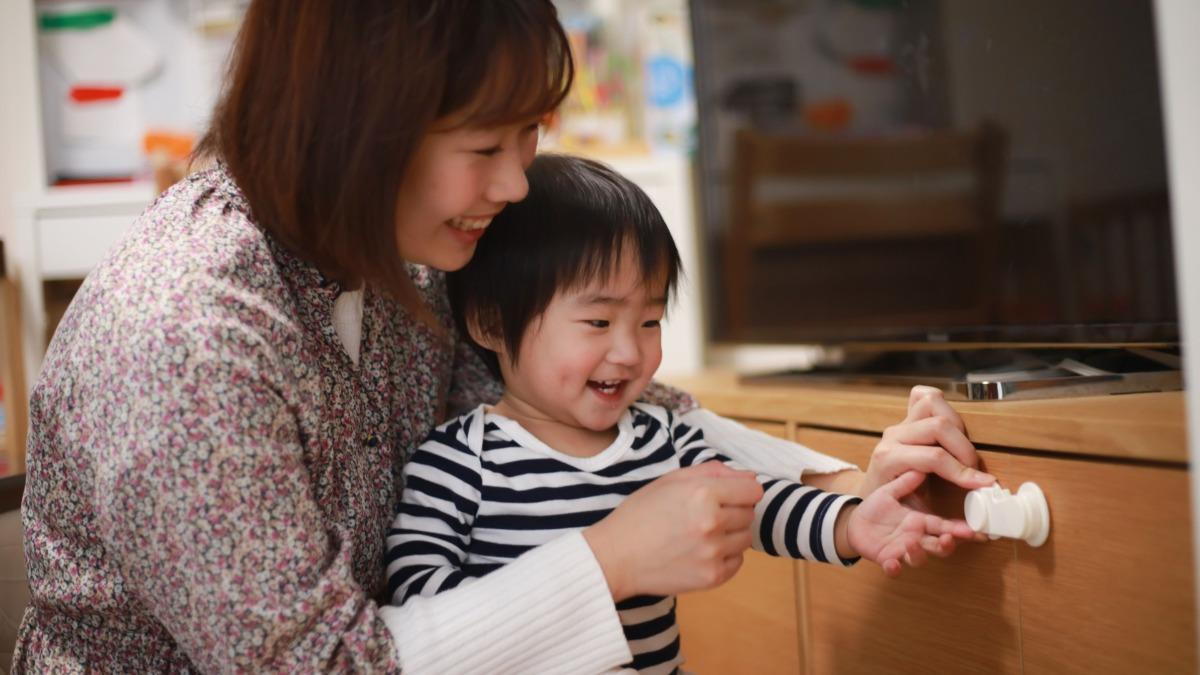
At home, childproofing is essential. Installing safety gates, securing heavy furniture, keeping medications and chemicals out of reach, and using outlet covers are effective strategies. Smoke detectors and carbon monoxide alarms offer protection from emergencies. Parents should also make kitchens safer by turning pot handles inward, teaching children about hot surfaces, and supervising activities such as cooking.
Water safety is another priority. Children should never be left unattended near bathtubs, swimming pools, or even buckets of water. Learning basic swimming skills and teaching water safety rules early on can make a significant difference.
In the community, creating safer environments requires collaboration. Schools can implement regular safety drills, ensure playground equipment meets safety standards, and educate children about proper sports practices.
Community leaders can support initiatives like safer crosswalks, speed limit enforcement, and child-focused public health campaigns. A Southlake Texas pediatrician can also play an important role by guiding families on preventive care and partnering with schools and local organizations to promote child safety.
Caregivers and parents also play a role by modeling safe behaviors—wearing seat belts, using helmets, or practicing caution when handling dangerous objects. Children learn more from observing adults than from verbal reminders alone. A culture of safety starts with example.
Educating Children About Safety and Prevention

Children are naturally curious and eager to learn, making education one of the most powerful tools for injury prevention. Teaching safety habits early and reinforcing them consistently helps children internalize protective behaviors.
For younger children, safety lessons should be simple and practical. Songs, games, and storytelling can teach concepts like “look both ways before crossing the street” or “don’t touch the stove.” Using child-friendly language makes lessons more relatable and memorable. A pediatrician in Southlake can also provide age-appropriate safety guidance during checkups, reinforcing these lessons for both children and parents.
As children grow older, safety education can include more responsibility. For example, teaching them how to dial emergency numbers, practice basic first aid, or recognize unsafe situations builds confidence and preparedness. Schools can complement this education through safety workshops, interactive lessons, and hands-on activities that emphasize practical skills.
Parents should also encourage open communication, so children feel comfortable reporting unsafe conditions or asking questions about potential risks. When children know their concerns will be heard, they are more likely to practice safety and share what they learn with peers.
The Role of Healthcare Professionals and Communities
Pediatricians are central to the mission of injury prevention. Pediatricians, nurses, and public health experts play vital roles in educating families, conducting screenings, and offering guidance on safety measures. Well-child visits, for example, provide opportunities to discuss developmental milestones while addressing specific risks relevant to a child’s age.
Communities also hold a responsibility to protect children collectively. Local organizations, schools, and advocacy groups can create campaigns that raise awareness about injury prevention and promote safe environments.
Events during National Childhood Injury Prevention Week may include workshops, free safety equipment distribution, and educational seminars for parents and caregivers. Families can also turn to Kidsville Pediatrics Southlake for expert guidance on safety practices and preventive care tailored to children’s needs.
Collaboration between healthcare professionals and community organizations strengthens these efforts. By pooling resources, expertise, and outreach channels, communities can reach more families and provide practical tools that empower them to protect their children.
Pedia Near Me: Building a Safer Future for Children
National Childhood Injury Prevention Week highlights a vital truth—most childhood injuries are preventable. By combining awareness, education, and proactive strategies, families and communities can reduce risks and protect children from harm. Injury prevention is not about restricting exploration; it is about creating environments where children can safely learn, play, and grow. When child safety is prioritized, every child has the opportunity to thrive.
Take the next step today—schedule a visit with your trusted pediatrician to discuss safety tips tailored to your child’s age and needs. Together, we can make child safety a priority every day of the year.
