
The first days of life are precious, but they are also when some hidden health conditions can quietly appear. That’s why newborn screening exists—it’s a simple test that can catch serious but treatable conditions before symptoms show.
For families, this means peace of mind and the opportunity to protect their child’s future health from the very beginning. Parents who visit our McKinney clinic often ask about this process, and we are proud to guide them every step of the way.

1. What Exactly Is Newborn Screening?
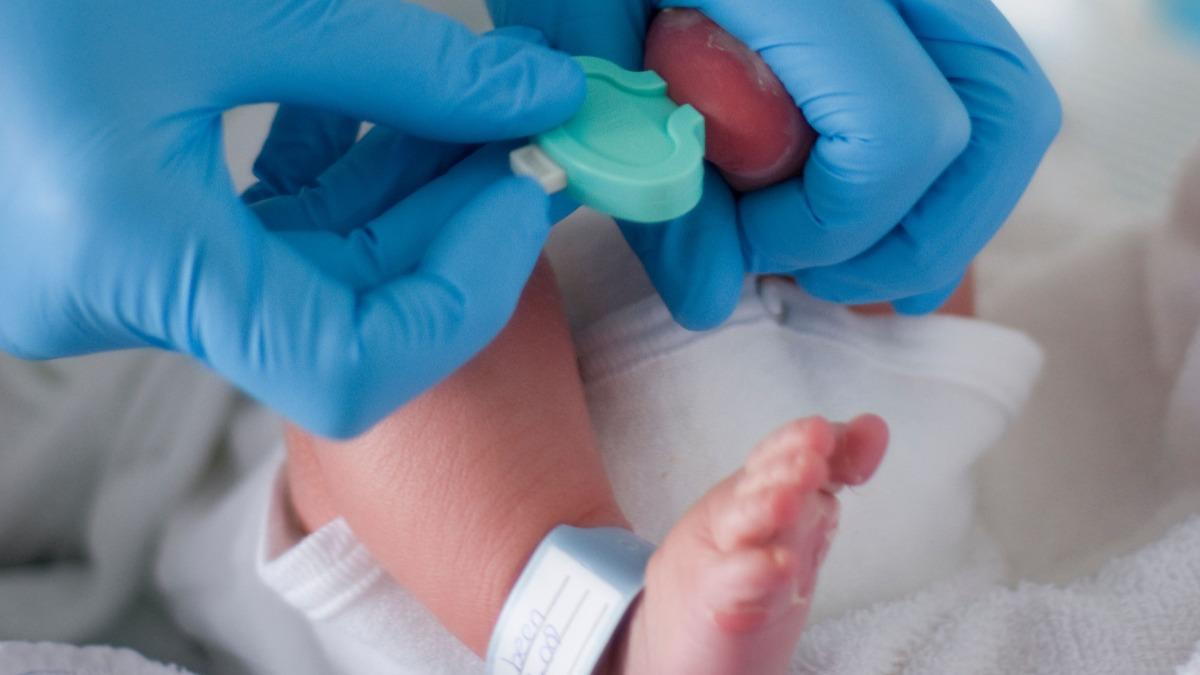
It’s a quick test, usually done within 24–48 hours after birth, using just a few drops of blood from your baby’s heel. The sample is checked for dozens of rare but serious disorders. These include conditions related to metabolism, hormones, and even the immune system—something every McKinney doctor emphasizes when counseling new parents.
2. Why Timing Matters
Early detection is everything. Many conditions identified through screening don’t show signs right away, but damage can happen quickly. Acting early gives babies the best chance at healthy development, which is why every McKinney pediatrician strongly recommends it.

3. How It Helps Prevent Serious Complications
Some conditions identified by screening could lead to life-threatening complications if left untreated. With early diagnosis, simple steps like dietary changes or medications can make all the difference. For many families, this means avoiding long hospital stays and ensuring a normal childhood.
4. Common Conditions Detected
Depending on your state, screenings can cover more than 30 different conditions. These may include congenital hypothyroidism, sickle cell disease, and cystic fibrosis. Each condition has its own treatment pathway, but they all benefit from being found early—something any pediatrician McKinney TX experts will stress in newborn visits.

5. Beyond the Heel-Prick Test
Most people associate screening with the blood test, but there are also hearing and heart checks. These painless screenings catch conditions like hearing loss or critical congenital heart disease. Together, they give a fuller picture of your baby’s health.
6. Reducing Stress for Parents
Raising a newborn is already full of unknowns. Knowing your baby has been checked for serious health issues provides an extra layer of reassurance. That relief is invaluable during those sleepless first weeks.

7. It’s a Standard of Care
Today, newborn screening is part of routine hospital care across the United States. Parents don’t have to request it—it’s already included in the standard post-birth process. This ensures every child, regardless of background, has access to the same protection.
8. Quick Results, Fast Action
In most cases, results come back quickly. If anything is flagged, your pediatrician will guide you on the next steps. This ensures that no time is wasted in getting the care your baby may need.
9. The Role of Pediatricians
Your pediatrician plays an important role in interpreting the results. They will explain what everything means and what follow-up care, if any, is required. This partnership helps families feel supported and informed, especially when they are working with the best pediatrician in McKinney TX.
10. Giving Babies a Healthier Future
The real benefit of screening is not just early detection but giving children the chance to grow up healthy. Many babies diagnosed with conditions at birth go on to live normal, fulfilling lives. All because of a simple test in those first few days.
How Families Benefit Long-Term
When conditions are caught early, families can plan ahead. This includes connecting with specialists, joining support networks, and adjusting daily care routines as needed. It transforms what could be overwhelming into something manageable.
Addressing Common Myths
Some parents worry the heel prick is painful, but it’s no more uncomfortable than a tiny pinch. Others wonder if it’s necessary since their baby looks healthy. The truth is, many conditions screened for don’t show symptoms at first, which is why the test is essential.

Why Early Detection Equals Cost Savings
Catching a condition early doesn’t just protect health—it also saves money. Treating advanced disease can require hospitalizations, surgeries, or lifelong interventions. With newborn screening, these costs can often be reduced or even avoided.
A Global Perspective
Not every country offers the same level of screening. The U.S. is fortunate to have a robust system in place that saves thousands of lives each year. This highlights the importance of ensuring all children everywhere have access to early detection.
Supporting Parents Through the Process
The screening process doesn’t end with the test. If follow-up care is needed, parents receive guidance from their care team every step of the way. This ongoing support ensures no family feels left alone in managing a diagnosis.
Advances in Technology
Throughout the years, newborn screening has expanded thanks to medical improvements. Tests are more accurate, faster, and able to detect more conditions than ever before. The future promises even broader protections for newborns.

What Parents Should Do After Screening
Most families will hear that everything came back normal. If something does show up, the key is not to panic. Work closely with your pediatrician, follow recommendations, and remember that early action gives your baby the best start.
Partnering With Your Pediatrician
Your pediatrician McKinney professional is your main ally in navigating results. Ask questions, share concerns, and seek resources if you need extra support. Their role is to guide you toward the healthiest possible outcome for your child.
The Emotional Impact of Peace of Mind
Even if all results are normal, the peace of mind alone is worth it. Parenting comes with enough worries—knowing your baby has been screened allows you to focus on bonding and nurturing. This reassurance is one of the biggest gifts of the process.
Final Thoughts
At the end of the day, newborn screening is about giving babies the healthiest start in life. It’s a small test that delivers enormous benefits, from early detection to lifelong wellness. For families, it’s one of the most powerful ways to protect a child’s future. Talk to your pediatrician today and make sure your baby gets screened.
