
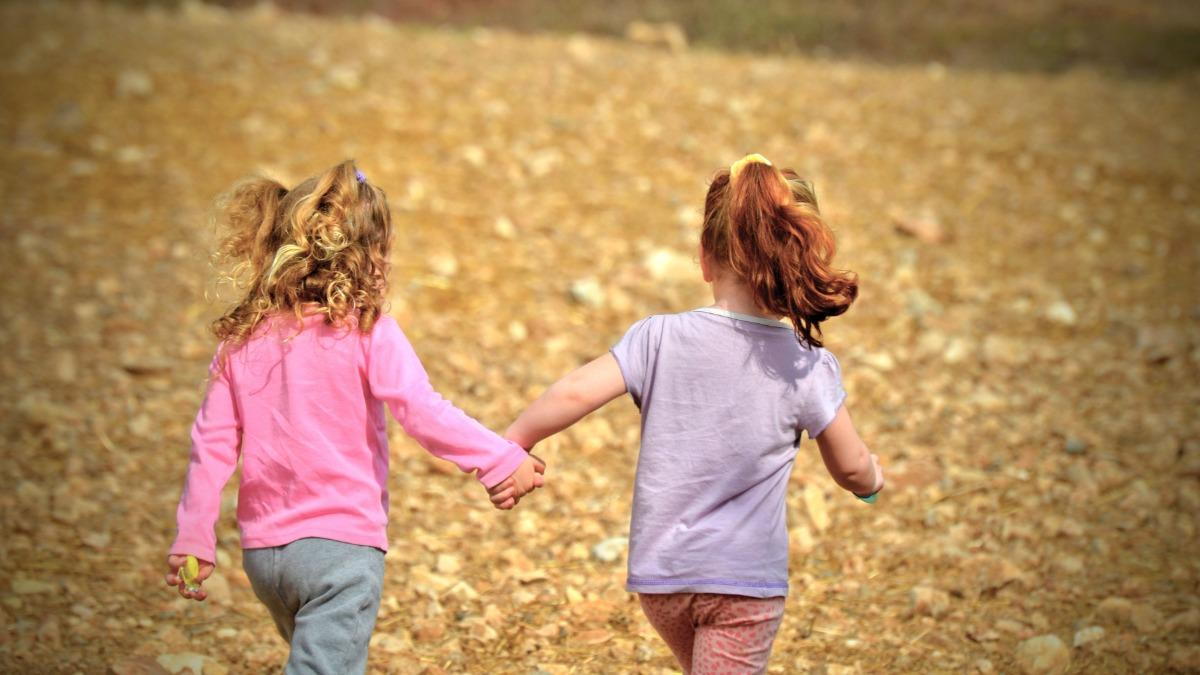
From birth to age five, children undergo rapid social and emotional growth. During this time, their relationships extend beyond parents and family to include peers. Through peer interaction, they learn important life skills, such as sharing, communication, and empathy. These early experiences set the foundation for how they will approach relationships later in life.
As toddlers grow, they begin to notice others around them, even if they don’t always play together. This early awareness marks the beginning of social development. By preschool age, children start engaging in parallel play, then gradually progress to cooperative play, showing just how critical peer connections are to overall growth.
Why Early Friendships Matter
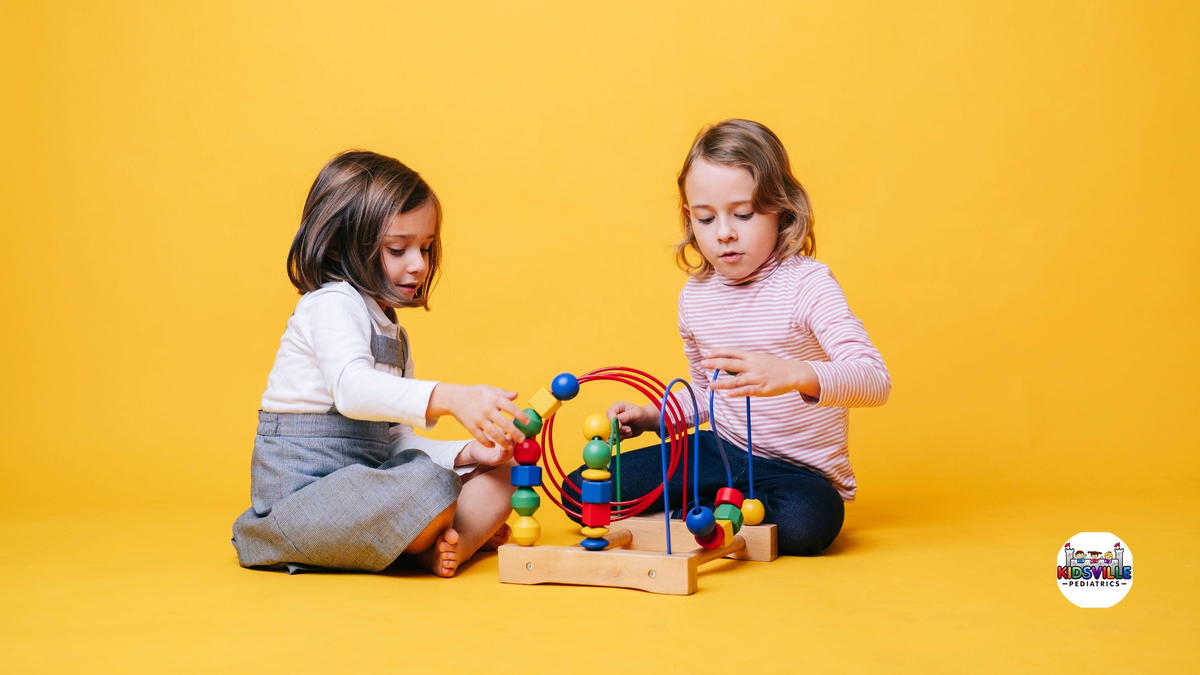
Friendships formed in preschool and kindergarten may seem simple, but they hold great value. They give children opportunities to practice cooperation, resolve conflicts, and experience joy with others. Even short play sessions teach kids to understand different perspectives, preparing them for more complex social settings in school and beyond.
Strong early friendships also give children a sense of belonging. Feeling accepted by peers boosts self-esteem and promotes emotional stability. These bonds may not last a lifetime, but the social lessons they provide are lifelong, helping children feel confident in new settings. Parents seeking guidance can always turn to a trusted McKinney pediatrician for advice on social development milestones.
The Role of Play in Social Learning
Play is a natural pathway for learning. Whether it’s building blocks, role-playing as superheroes, or playing tag, children gain essential lessons from each interaction. Through play, they develop patience, problem-solving skills, and emotional regulation. The ability to negotiate and collaborate emerges from repeated experiences with peers.
When children invent rules for games or pretend scenarios, they also strengthen creativity and critical thinking. These moments of imaginative play prepare them for real-life problem-solving later on. Far from being “just fun,” play is a powerful tool for shaping social intelligence.
Emotional Growth Through Peer Interaction

Being with peers allows children to express emotions in a safe environment. They may feel happy, frustrated, or disappointed, but these experiences guide them in recognizing and managing emotions. For example, a child might learn to wait their turn during a board game or feel comfort when a friend offers support. This emotional awareness is a cornerstone of healthy relationships.
These emotional lessons also support resilience. A child who learns to cope with losing a game or reconciling after an argument develops stronger emotional balance. In the long run, they are more likely to handle stress, change, and setbacks with maturity. A caring McKinney doctor can also provide reassurance to parents with concerns about their child’s emotional and social growth.
Preparing for School Success

Strong social skills make the transition into formal schooling smoother. Children who have practiced cooperation and communication through play are better able to work in groups, follow instructions, and adapt to classroom routines. Teachers often notice that children with developed social skills show greater confidence and enthusiasm for learning.
Children who lack early experiences with peers may struggle with group activities or classroom expectations. Parents can prepare kids by offering structured social opportunities, which give them a preview of the routines and cooperation they’ll need in school. Many McKinney pediatricians encourage families to combine both structured and unstructured play to prepare children for school success.
Encouraging Positive Peer Bonds

Parents play a vital role in supporting healthy relationships. Arranging playdates, attending group activities, or enrolling children in early classes like music or art fosters social opportunities. Offering gentle guidance during disagreements teaches problem-solving without taking control, empowering kids to manage relationships independently.
It’s also helpful for parents to talk with children about their friendships. Asking open-ended questions about playtime encourages kids to reflect on their experiences, notice patterns, and identify what makes them feel good in relationships.
Overcoming Shyness and Social Anxiety

Not every child naturally engages with peers. Some children may be shy or hesitant in group settings. Parents can help by starting with smaller gatherings, encouraging familiar activities, and modeling positive interactions themselves. Over time, children usually become more comfortable and confident in social spaces.
If shyness becomes a source of distress, gentle support from teachers or a pediatrician can make a difference. Early guidance helps children avoid isolation and ensures they have chances to build confidence in social settings. Families visiting a McKinney clinic can also ask about resources to support children who need help engaging with peers.
The Impact of Technology on Social Skills

While technology offers learning opportunities, too much screen time can reduce real-life interaction. Children benefit most from face-to-face engagement where they read body language, practice conversation, and learn empathy. Limiting screen exposure and prioritizing outdoor play ensures that children experience balanced development.
Using technology wisely can also be beneficial. For example, video calls with grandparents or collaborative online games with friends can supplement socialization, but they should never replace in-person play and communication.
Teenagers and Evolving Friendships
As children grow into teens, friendships become deeper and more influential. Peer groups play a significant role in shaping identity and decision-making. Encouraging open communication at home helps parents stay connected, guiding teens through challenges like peer pressure while respecting their growing independence.
Teen friendships also serve as practice for adult relationships. Teens who have had positive peer experiences in early childhood tend to manage conflicts better, value empathy, and build stronger, healthier friendships in adolescence.
Parents as Role Models

Children often mirror the social behavior they observe. Demonstrating kindness, patience, and respect in everyday interactions shows them how to behave with friends. When parents model positive conflict resolution, children learn that disagreements are natural but can be resolved constructively.
By showing empathy in daily life—like offering help to a neighbor or treating service workers respectfully—parents instill social values. These small lessons accumulate, giving children a template for their own peer relationships.
Long-Term Benefits of Peer Interaction
The lessons learned from early friendships extend far beyond childhood. Kids who experience healthy social development often show greater emotional resilience, stronger communication skills, and higher self-esteem as adults. These qualities not only impact their personal lives but also their academic and professional success.
Adults who once engaged positively with peers as children are more likely to develop teamwork skills, leadership qualities, and emotional maturity. In this way, the benefits of early socialization ripple through nearly every area of life.
Supporting Healthy Boundaries
It’s important for children to understand both closeness and boundaries in friendships. Teaching them to recognize when a relationship feels unkind or one-sided prepares them for healthy choices. Parents can guide kids in balancing kindness with assertiveness, ensuring they respect both themselves and others.
When children learn to set boundaries, they also build self-respect. This skill allows them to choose relationships that uplift them, while moving away from those that may cause harm.
How Kidsville Pediatrics Supports Families
At Kidsville Pediatrics, we believe in nurturing the whole child—physically, emotionally, and socially. Our team encourages families to support healthy social growth through play, communication, and positive relationships. With the right environment, every child has the opportunity to thrive socially and emotionally.
We are here to guide parents with resources, advice, and compassionate care. Whether visiting one of our McKinney pediatricians or connecting with our staff, families can count on Kidsville Pediatrics to walk alongside them as children grow.
Conclusion: Building a Strong Foundation
In the journey of childhood, peer interaction is as important as academic learning or physical health. From the first playdate to teenage friendships, these experiences shape communication, confidence, and emotional resilience. By fostering healthy social opportunities, parents help their children build strong foundations for lasting relationships and future success.
The skills gained through early friendships do more than shape the playground years—they shape a lifetime. Encouraging meaningful peer interaction today ensures children are ready for the challenges, joys, and connections that tomorrow will bring. Schedule a visit with a trusted McKinney pediatrician at Kidsville Pediatrics to support your child’s social and emotional growth. Together, we’ll help them thrive in every stage of life.
