

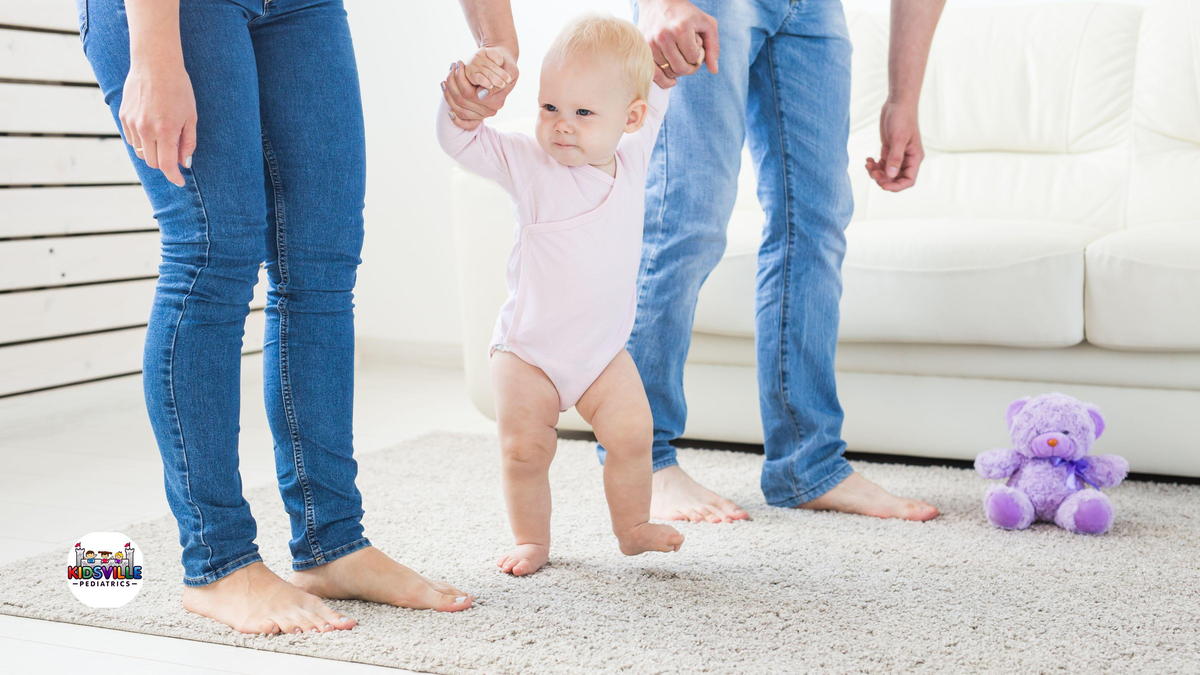
Your child’s baby's first steps mark an unforgettable moment in their journey of growth. It’s a milestone that parents look forward to with excitement, sometimes even tears of joy. While walking is just one of many developmental achievements, it represents independence, confidence, and curiosity. Knowing what to expect during this stage can help you guide your little one with patience and the right support.
When Do Babies Typically Start Walking?
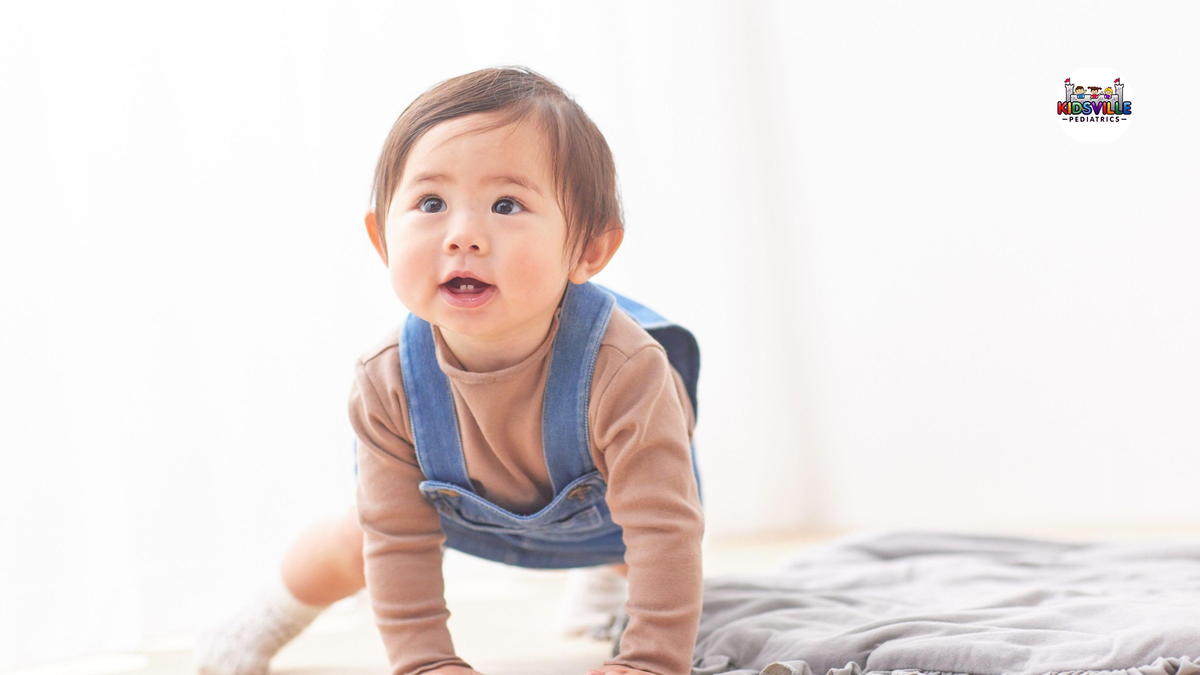
Most children begin walking between 9 and 15 months, though some may take their baby's first steps earlier or later. Genetics, environment, and personality all play roles in timing. For instance, more adventurous babies may attempt walking sooner, while cautious ones may wait until they feel steady.
It’s important for parents to remember that walking is a process. Some children skip crawling altogether and go straight to cruising and standing. If your baby is still not walking after 18 months, it doesn’t automatically mean something is wrong, but it’s wise to consult a trusted Southlake pediatrician to make sure development is on track.
Signs Your Baby is Getting Ready

Long before your child’s first independent steps, they will show signs of readiness. Parents may notice their baby pulling up on furniture, cruising along sofas, or standing momentarily without support. These mini milestones strengthen muscles, improve coordination, and build confidence.
Other indicators include bouncing when held upright, showing interest in pushing toys, or lifting themselves with more balance. These small efforts all pave the way to walking. During well-check visits, your provider at a Southlake clinic can evaluate these behaviors and reassure you that your child is developing appropriately.
The Role of Muscle Development and Balance

Walking requires more than just strong legs. Babies need core strength, coordination, and balance. Activities like crawling, rolling, and tummy time are important building blocks. They strengthen the trunk and back muscles, which play a major role in stability.
If your child was born prematurely, walking may come a little later. Premature babies often meet milestones on their own adjusted timelines. Pediatric providers, such as those at a Southlake pediatric clinic, can help you understand what’s normal for your child and offer guidance specific to their needs.
How Parents Can Encourage Walking
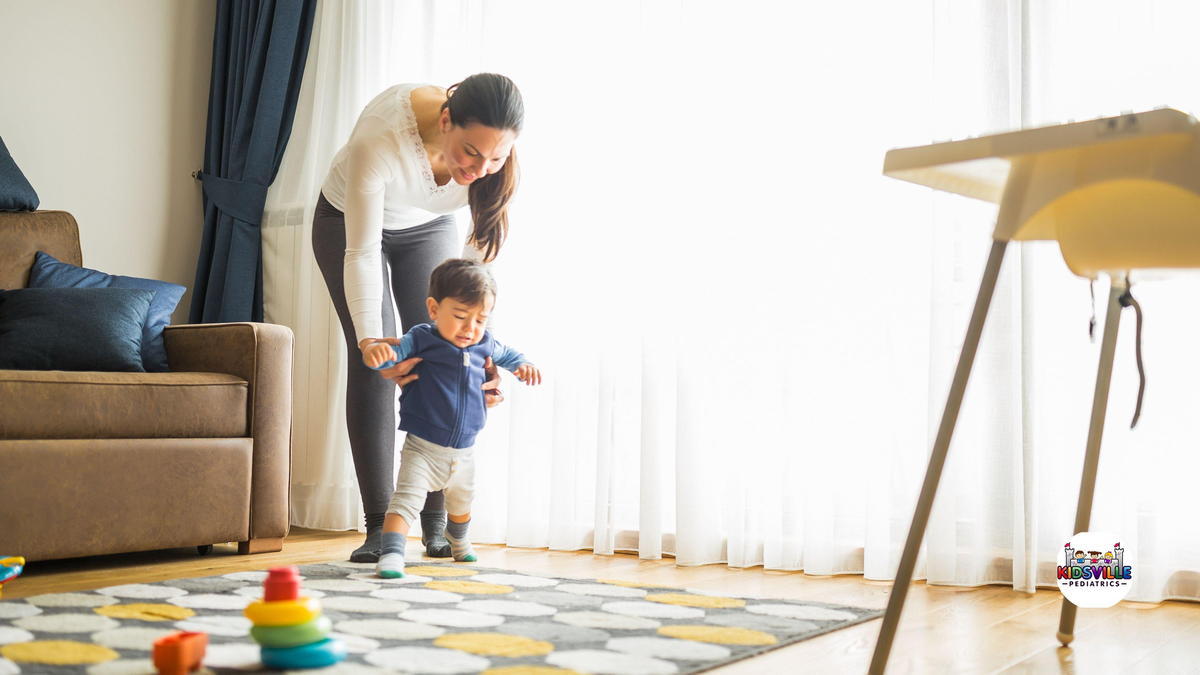
Parents can play an active role in preparing their child for walking. Providing a safe, open space to explore is one of the best ways. Babies need room to move, pull up, and practice balance. Furniture that’s sturdy and safe to hold onto is helpful during the early cruising stage.
You can also encourage walking by placing toys just out of reach or gently guiding your child’s hands as they take steps. Avoid using walkers with wheels, as these can increase the risk of injury and don’t necessarily promote proper walking skills. Instead, stationary activity centers or push toys are safer alternatives. A quick chat with your Southlake Texas pediatrician can give you even more ideas on how to create a supportive environment at home.
Safety First as They Explore
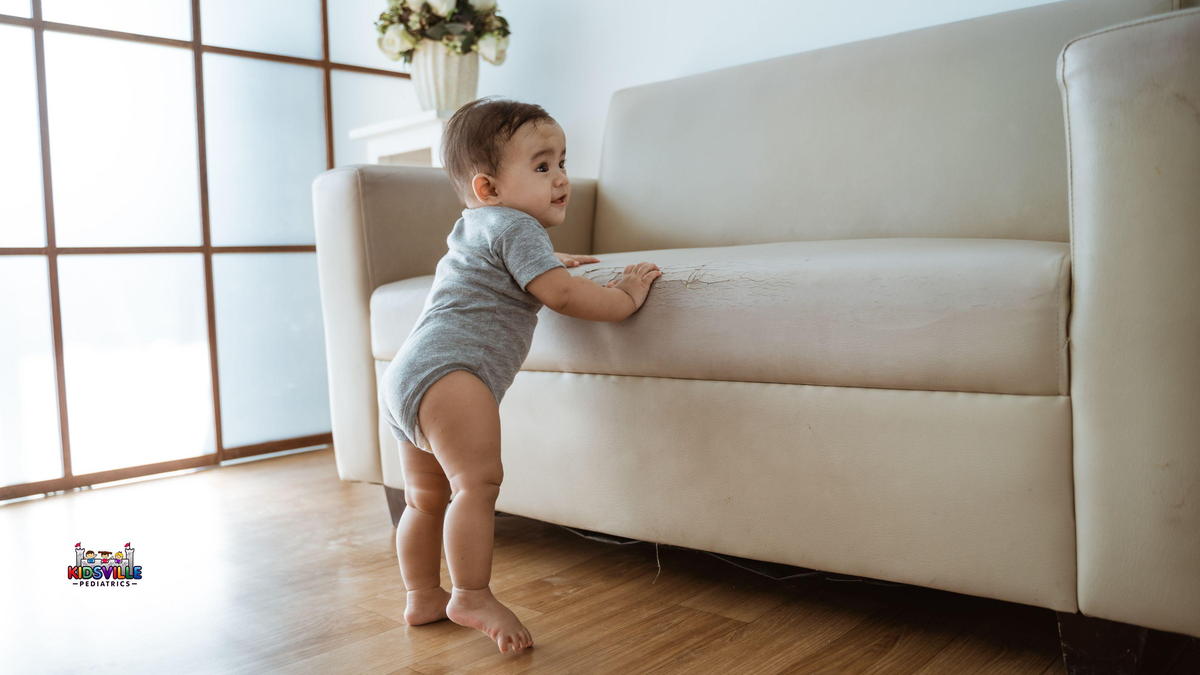
As exciting as walking is, it also comes with new safety challenges. Once babies begin exploring, parents must think ahead about childproofing the home. Sharp corners, uncovered electrical outlets, and loose cords can become hazards. Baby gates at stairways and locks on cabinets are essential.
It’s also normal for babies to fall often in the beginning. Most tumbles are harmless and part of learning. However, if you notice repeated loss of balance, weakness on one side, or other unusual concerns, seeking advice from Southlake doctors can provide reassurance and medical support if needed.
Emotional Impact of Walking on Parents and Children
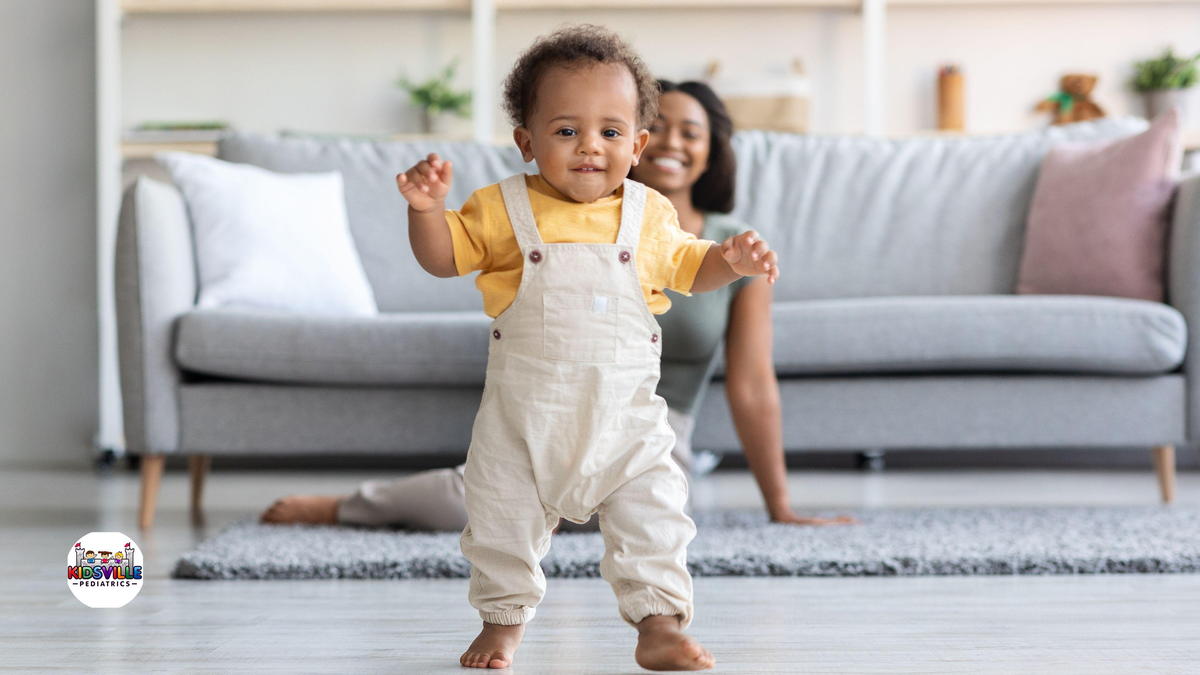
The day your baby takes their first steps is often met with cheers, claps, and maybe even tears of happiness. For parents, it’s more than just a physical achievement—it symbolizes growth, independence, and the start of toddlerhood. For children, walking means they can explore more freely, make choices, and engage with their world in new ways.
This stage also comes with mixed emotions. Some parents may feel a bit nostalgic, realizing their baby is no longer quite so dependent. Embracing these emotions is natural, and celebrating the progress together creates lasting family memories. If you share the journey with your pediatrician Southlake expert, they will likely celebrate alongside you during your child’s checkups.
Common Concerns About Walking
Many parents worry when their child doesn’t walk as early as others. Comparison with siblings, cousins, or friends’ children can increase anxiety. It’s important to remember that every child develops at their own pace. Late walking is often just a variation of normal.
Some children may appear hesitant or cautious by nature. Others may prefer crawling because it feels faster and more efficient. If your baby shows no signs of attempting to stand or walk by 18 months, that’s the time to discuss concerns at your Southlake pediatric clinic. Pediatric providers can check muscle tone, coordination, and reflexes, and if necessary, recommend early intervention services.
Supporting Development Through Play

Play is a powerful tool in helping babies prepare for walking. Games like “pat-a-cake,” “peek-a-boo,” and clapping encourage movement and coordination. Placing toys on low tables encourages cruising, while floor play builds strength.
Parents can also incorporate songs and activities that involve dancing or bouncing. These not only bring joy but also promote balance and rhythm. The right guidance, combined with regular wellness visits at a Southlake clinic, ensures your child’s developmental path stays healthy and fun.
When to Seek Professional Advice
Most babies are walking independently by 15 months, though some take longer. You should seek professional input if your child:
Isn’t bearing weight on their legs by 12 months
Isn’t attempting to stand or cruise by 15 months
Isn’t walking by 18 months
Shows stiffness, weakness, or asymmetry when moving
A consultation with a Southlake Texas pediatrician can help identify whether your child needs additional support. Early detection of developmental delays can make a big difference in future growth.
Celebrating the Milestone of Baby’s First Steps
When your child takes their baby's first steps, it’s a moment worth cherishing. Celebrate with claps, smiles, and encouragement to boost their confidence. Some parents even mark the day with a small journal entry or video to capture the memory. These moments create stories you’ll share with family for years to come.
Remember, your baby's first steps isn’t a race but a natural part of your child’s development. With the loving support of parents and the guidance of skilled providers like those at a Southlake pediatric clinic, your baby will continue to grow strong and independent. By working alongside your Southlake pediatrician, you’ll ensure your child gets the best care while enjoying every milestone together.
