
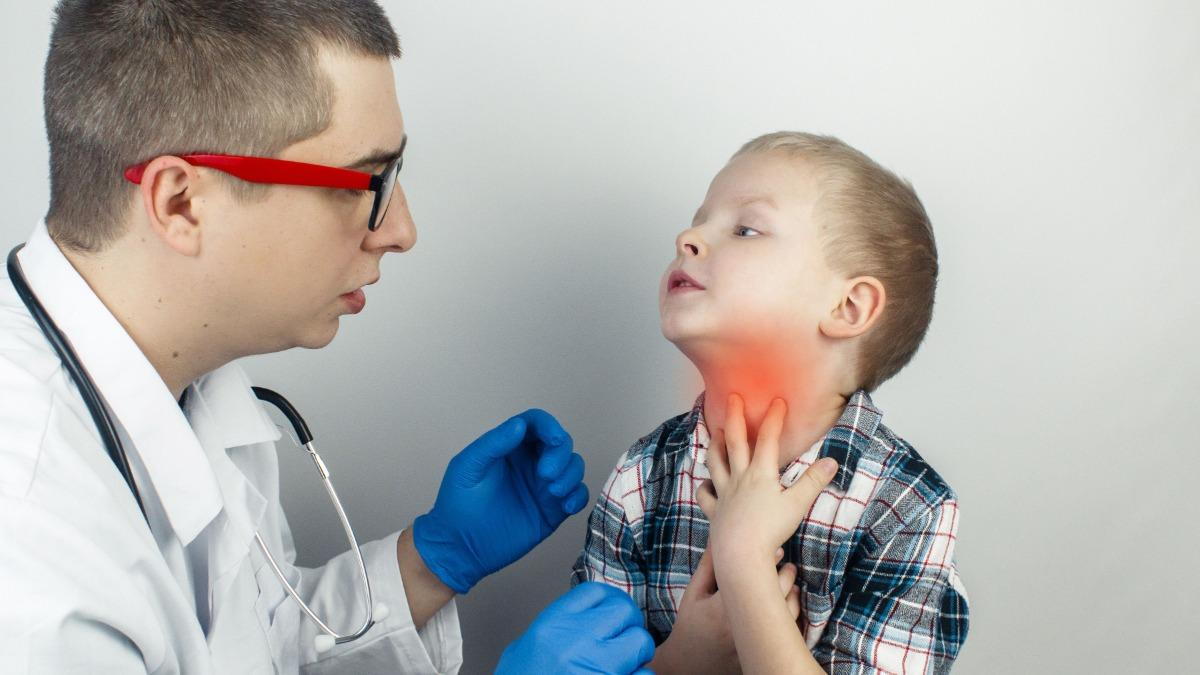
When your child suddenly develops a sore throat, fever, and difficulty swallowing, one common culprit that often comes to mind is tonsillitis. This condition, which involves inflammation of the tonsils, can be unsettling for both children and parents. While it is usually manageable, understanding the causes, risk factors, symptoms, and treatment options can help families act quickly and effectively. Because children are especially prone to infections of the tonsils, learning more about this illness is key to prevention and care.
Causes and Risk Factors
The tonsils are two small glands located at the back of the throat. They act as part of the body’s immune defense, trapping bacteria and viruses that enter through the mouth and nose. However, this protective role also makes them vulnerable to infection.
Tonsillitis most commonly results from:
Viral infections – Viruses are the leading cause, with the same pathogens responsible for the common cold and flu often triggering tonsil inflammation. Examples include adenoviruses, rhinoviruses, influenza, and Epstein-Barr virus (which causes mononucleosis).
Bacterial infections – Group A Streptococcus is the most frequent bacterial culprit. When strep bacteria infect the tonsils, the illness may require antibiotics to prevent further complications.
Children are particularly susceptible to tonsillitis because their immune systems are still developing. School and daycare settings increase exposure to infectious agents since children are in close contact and often share toys, food, or drinks. Families who seek care at a trusted McKinney clinic often find reassurance in understanding these risks and prevention methods.
Additional risk factors include:
Seasonal changes, with more cases occurring in colder months.
A family history of frequent throat infections.
Environmental irritants, such as secondhand smoke or pollution, which can weaken immune defenses.
Recognizing these causes and risk factors can help parents stay alert during high-risk periods and encourage better hygiene practices in children.

Signs and Symptoms
The hallmark sign of tonsillitis is a sore throat that develops quickly and worsens over time. Beyond that, children may show a variety of symptoms, including:
Red, swollen tonsils, sometimes with white or yellow patches.
Pain or difficulty when swallowing.
Fever and chills.
Swollen lymph nodes in the neck.
Headache and ear pain.
Bad breath due to bacterial buildup on the tonsils.
Fatigue and irritability, particularly in younger children.
In severe cases, children may refuse food and fluids due to pain while swallowing, raising the risk of dehydration. Parents should also watch for signs of airway obstruction, such as loud snoring, restless sleep, or pauses in breathing. These may indicate that swollen tonsils are interfering with normal airflow, which requires medical evaluation by a McKinney doctor or specialist.
Diagnosis
Because sore throats can have many causes, from allergies to viral infections, accurate diagnosis is essential. Pediatricians typically begin with a thorough physical exam, looking for swollen tonsils, redness, patches, or pus.
To confirm the cause, doctors may recommend:
Throat swab – A sample of cells is collected from the tonsils and back of the throat to identify bacteria, particularly Group A Streptococcus.
Rapid strep test – This test provides results in minutes and helps determine if antibiotics are necessary.
Culture test – If the rapid test is negative but symptoms strongly suggest bacterial infection, a culture test may be ordered for confirmation.
Parents should seek medical care from a trusted McKinney pediatrician if their child has severe throat pain, persistent fever, difficulty swallowing, or swollen glands that do not improve within a couple of days. Early diagnosis ensures timely treatment and reduces the risk of complications.
Treatment Options
Treatment depends on whether the infection is viral or bacterial.
Viral tonsillitis – Since antibiotics do not work against viruses, care focuses on symptom relief. This includes adequate rest, plenty of fluids, and over-the-counter pain relievers such as acetaminophen or ibuprofen (as recommended by the child’s doctor). Warm teas, throat lozenges (for older children), and humidifiers can also provide comfort.
Bacterial tonsillitis – If the infection is confirmed to be bacterial, antibiotics such as penicillin or amoxicillin are prescribed. It is important that children complete the entire course to fully eliminate the infection and prevent complications like rheumatic fever.
General home care strategies include:
Offering soft, cool foods such as yogurt, smoothies, or ice pops to ease throat discomfort.
Encouraging hydration to prevent dehydration, especially when swallowing is painful.
Ensuring plenty of rest to allow the immune system to recover.
Families often rely on their pediatrician McKinney TX expert for guidance on whether their child needs antibiotics, continued home care, or more advanced interventions.
In cases where tonsillitis becomes chronic or recurrent—defined as multiple episodes within a year—a pediatrician may recommend a tonsillectomy (surgical removal of the tonsils). This is generally reserved for children with severe or repeated infections that significantly affect their quality of life, or when enlarged tonsils cause breathing or sleep problems.
Complications and Prevention
Although most cases resolve without long-term issues, untreated or repeated infections can lead to complications, such as:
Peritonsillar abscess – A collection of pus around the tonsils that can cause severe pain, swelling, and difficulty opening the mouth.
Recurrent infections – Frequent bouts of tonsillitis can affect school attendance and overall wellbeing.
Breathing and sleep problems – Enlarged tonsils may contribute to obstructive sleep apnea, causing restless sleep and daytime fatigue.
Spread of infection – In rare cases, bacteria may spread to surrounding tissues or even the bloodstream, leading to more serious health risks.
Preventing tonsillitis centers on reducing exposure to infections and strengthening immune defenses. Helpful steps include:
Encouraging frequent handwashing with soap and water.
Teaching children not to share eating utensils, cups, or toothbrushes.
Keeping children home when they are sick to limit the spread of infection.
Maintaining a healthy diet, adequate sleep, and regular exercise to support immunity.
Avoiding exposure to secondhand smoke and environmental pollutants.
Families who partner with experienced McKinney pediatricians can receive personalized strategies to help reduce recurrence, including lifestyle adjustments and monitoring for chronic cases. And for many families, the supportive care provided by Kidsville Pediatrics McKinney makes all the difference in managing this condition effectively.
Final Thoughts
For parents, watching a child struggle with fever, throat pain, and fatigue can be difficult. Fortunately, most cases of tonsillitis can be treated successfully with a combination of medical care and supportive home measures. Understanding the difference between viral and bacterial causes, recognizing symptoms early, and seeking timely medical advice are crucial steps in ensuring a smooth recovery. With proper care and preventive practices, families can reduce the frequency of infections and help children enjoy healthier, more comfortable lives free from the discomfort of recurring throat illnesses.
