
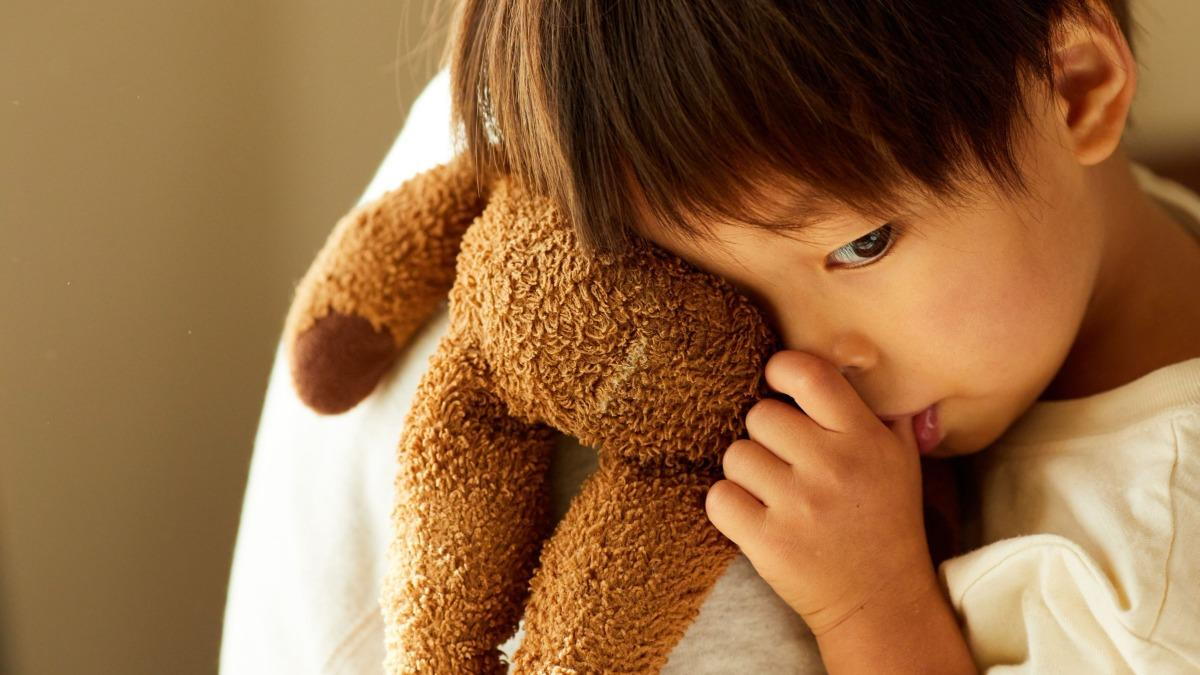
On the surface, a stuffed toy might seem like just another toy. But for many children, these plush companions become trusted friends, secret keepers, and even lifelines during tough times. Parents often notice that their child’s favorite stuffed toy is more than just a bedtime accessory—it’s a symbol of comfort, security, and love. At Kidsville Pediatrics, we encourage families to recognize the emotional and developmental importance of these toys, especially in how they support a child’s behavioral health.
Why Children Form Attachments to Stuffed Toys

Imagine a toddler clutching their stuffed bunny on the first day of daycare. That small, soft toy instantly becomes a familiar anchor in an unfamiliar world. Psychologists call this a “transitional object”—a comfort item that helps children manage the stress of separating from caregivers and adjusting to new environments.
This attachment usually emerges around 6 months to 2 years of age, when children begin to grasp that they are independent from their parents. A transitional object like a stuffed toy bridges that gap, giving children a sense of security when Mom or Dad isn’t nearby.
Parents visiting a pediatrician in Mansfield often share stories of children needing their “special friend” before bedtime or when going through a big change, like welcoming a new sibling. Far from being a sign of dependence, this bond reflects healthy coping strategies that nurture resilience and adaptability.
The Role of Stuffed Toys in Emotional Growth

Stuffed toys provide more than comfort—they also help children practice important life skills. Kids often project their own feelings onto their toys, role-playing scenarios that mirror real-world challenges.
For example, a child who comforts their stuffed bear when it’s “scared” is rehearsing empathy, problem-solving, and nurturing behaviors. These skills translate into stronger friendships, better conflict resolution, and healthier emotional expression.
From a pediatrics in Mansfield TX expert's perspective, these playful interactions are essential. They allow children to express emotions they might not yet have words for. A child upset about starting school might say, “Bear doesn’t want to go either.” This externalizes the feeling, giving parents a chance to listen, validate, and guide.
Stuffed Toys as Tools in Behavioral Health
In clinical settings, stuffed toy toys often become allies in helping children open up. During pediatric counseling, a child may feel more comfortable talking if their stuffed toy is “involved” in the conversation. Therapists sometimes ask, “What does your stuffed toy think about that?” This simple question can unlock feelings that the child might otherwise struggle to express.
At Kidsville Pediatrics Mansfield, our team sees the calming effect these comfort items have during checkups. When a child brings along their plush companion, anxiety decreases, cooperation improves, and medical visits become less intimidating. These small moments contribute to long-term behavioral health by reducing fear associated with healthcare and creating positive memories.
Why Teenagers Still Hold On to Stuffed Toys

It might surprise some parents to find their teenager still sleeping with their childhood stuffed toy. But this isn’t a sign of immaturity—it’s a natural way to cope with stress.
Teenagers face enormous pressure: academic demands, shifting friendships, and big decisions about their future. Holding onto a familiar stuffed toy can serve as a grounding ritual, offering comfort when the world feels overwhelming.
A psych nurse practitioner may even encourage teens to bring their stuffed toy into therapy sessions as a tool for easing social anxiety or self-expression. Far from being a problem, this attachment can be a healthy coping strategy during a stage of life filled with change.
The Connection Between Stuffed Toys and Sleep
Sleep is a cornerstone of both physical health and emotional regulation. For many children, stuffed toys play a key role in bedtime routines. Having a soft, familiar companion in bed helps lower stress hormones and signals the brain that it’s time to rest.
Children who sleep with their stuffed toys often fall asleep faster and stay asleep longer. That sense of security translates into better rest, which directly supports emotional resilience, school readiness, and positive behavior during the day.
A pediatric mental health nurse practitioner might recommend parents encourage a child’s comfort object as part of good sleep hygiene, especially if the child struggles with nighttime fears. These plush friends act as guardians of rest, creating a bridge between wakefulness and sleep.
When to Seek Extra Support
For most children, attachment to stuffed toys is a healthy, developmentally appropriate behavior. However, in some cases, it may point to underlying struggles. Parents should take note if:
A child cannot function in daily activities without their stuffed toy.
Intense distress occurs every time the toy is unavailable.
Emotional regulation outside of the stuffed toy seems very limited.
When these red flags appear, parents can benefit from support offered by Mansfield pediatricians who specialize in child development. In some situations, referrals to np psychiatry or nurse practitioner psychiatry may help families explore deeper mental health needs. Providers can offer structured strategies for building coping skills beyond the stuffed toy while still honoring its importance.
Supporting Children Through Transitions
Parents play a crucial role in helping children use stuffed toys in positive, healthy ways. Here are some strategies that can make a difference:
Normalize comfort items: Reassure your child that it’s okay to love their stuffed toy. This helps reduce shame or embarrassment.
Encourage emotional conversations: Ask your child what their stuffed toy is “feeling.” This opens the door to talking about their own emotions.
Include the toy in new situations: Whether it’s the first day of school, a doctor’s appointment, or a sleepover, let the stuffed toy tag along.
Model empathy: Use the toy to demonstrate kindness and problem-solving. For instance, “Bear is scared of the dark. How can we help him feel better?”
Balance comfort and independence: Gradually encourage your child to try small tasks without their toy, reinforcing that they are capable while still supported.
Families who explore pediatric counseling often learn additional strategies from professionals, ensuring children develop confidence while maintaining healthy coping habits.
A Symbol of Resilience
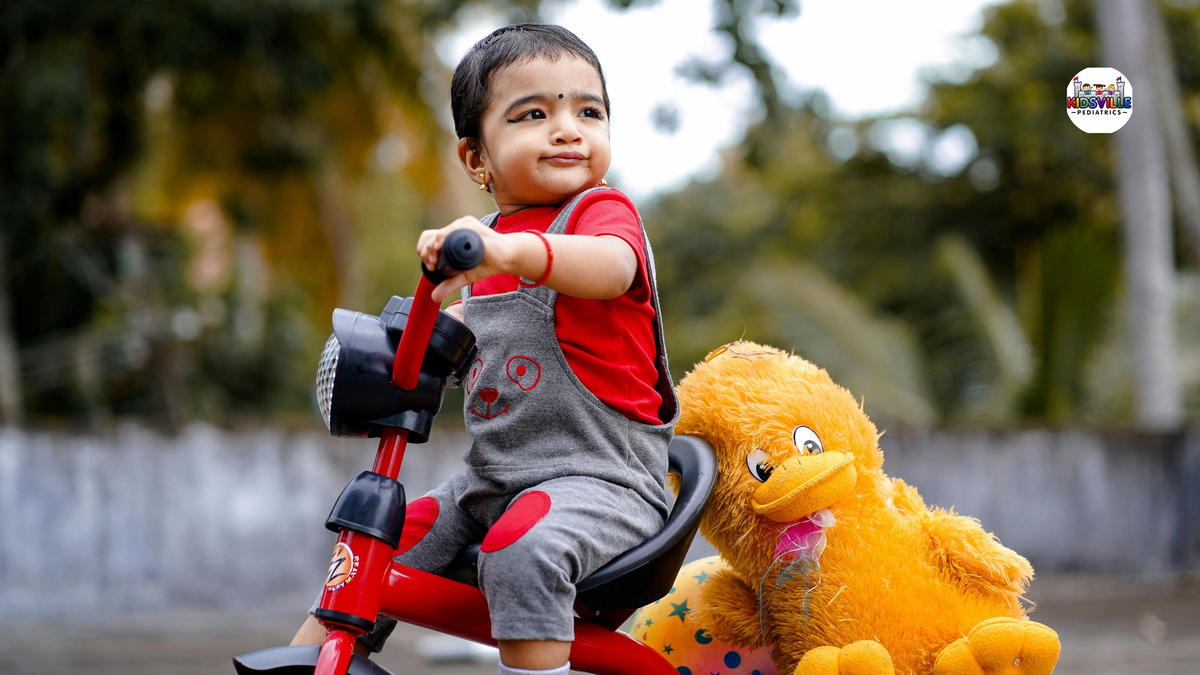
It’s easy for adults to overlook stuffed animals as mere toys, but their psychological role is profound. They represent safety, belonging, and unconditional love. Whether helping a toddler settle into daycare, easing a teen’s exam stress, or supporting a child through a doctor’s visit, stuffed toys quietly shape a child’s inner world.
At Kidsville Pediatrics Mansfield, we’ve seen firsthand how these plush companions strengthen resilience and support children’s behavioral health. By embracing the role of comfort objects instead of dismissing them, parents can help their children build emotional skills that last a lifetime.
So the next time you see your child holding onto their favorite stuffed toy, remember—it’s not just a toy. It’s a partner in their growth, a guide through challenges, and a reminder that love and comfort come in many forms. With the support of trusted providers and dedicated Mansfield pediatricians, families can nurture both the playful and profound sides of childhood, one stuffed hug at a time.
