
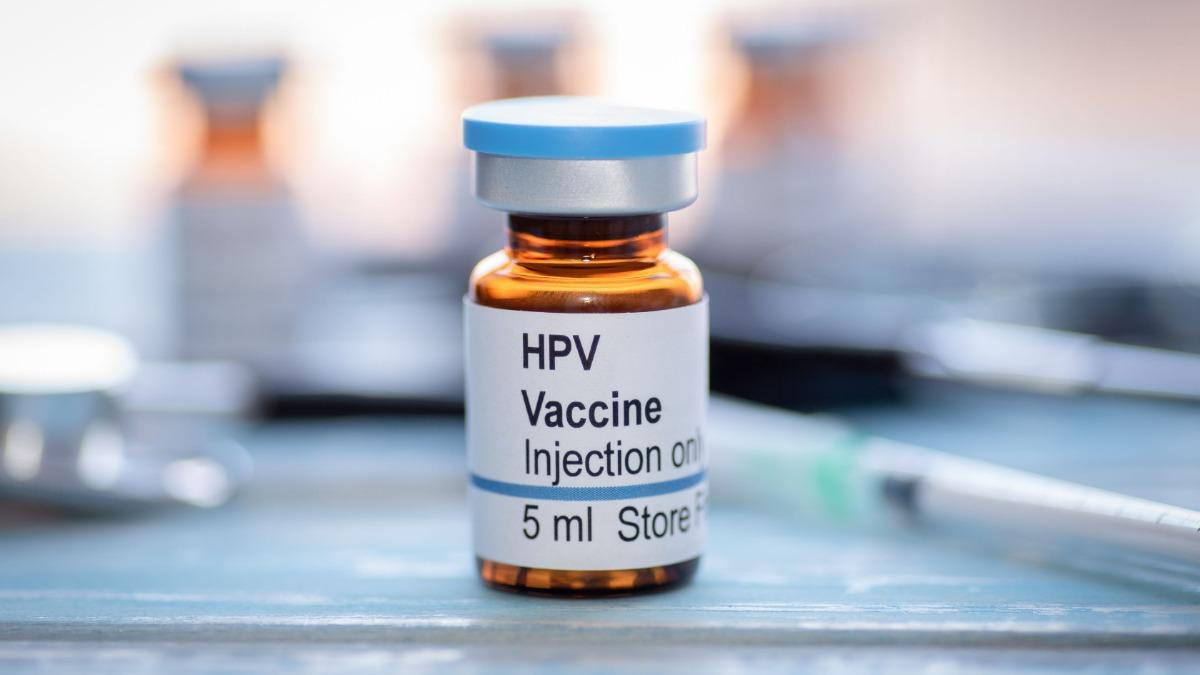
Human Papillomavirus (HPV) is one of the most widespread infections among adolescents and young adults, yet it is also one of the most preventable. Thanks to medical advances, parents now have a powerful tool to protect their children from HPV-related diseases: the HPV vaccine. In this article, we’ll look at what HPV is, why teens are especially vulnerable, how the vaccine works, when it should be given, and how parents can feel confident about this important health decision.
What is HPV and Why Teens Are at Risk

HPV is a family of more than 150 related viruses, many of which spread through close skin-to-skin contact. Some types are considered “high-risk” because they can cause cancers of the cervix, throat, anus, penis, and vagina. Other “low-risk” types lead to conditions such as genital warts.
Teens and young adults are at increased risk for HPV infection for several reasons. Most people contract HPV shortly after becoming sexually active, which typically occurs during adolescence or early adulthood. Because HPV infections often don’t cause immediate symptoms, teens may not realize they or their partners are infected. Southlake pediatricians emphasize that this silent spread is exactly why early protection through the HPV vaccine is so important.
Finally, the virus is extremely common: according to the Centers for Disease Control and Prevention (CDC), almost everyone who is sexually active will be exposed to HPV at some point without the protection of the HPV vaccine.
The good news for families is that infection is preventable. When teens receive the vaccine before exposure, they gain a strong level of protection that can last into adulthood and dramatically reduce the risk of cancer.
How the HPV Vaccine Works

The HPV vaccine is designed to prevent the body from becoming infected with the most dangerous strains of the virus. It works by training the immune system to recognize HPV and mount a defense before infection can take hold.
The vaccine uses virus-like particles that resemble HPV’s outer shell but contain no genetic material, so they cannot cause infection. Instead, they safely stimulate the immune system to produce antibodies. Later in life, if a vaccinated person encounters HPV, these antibodies provide immediate protection. A pediatrician in Southlake can explain this process to parents and teens in simple terms, helping them feel confident about how the vaccine works.
Gardasil 9, the vaccine most widely used today, covers nine HPV types. These include seven high-risk strains responsible for the vast majority of cervical cancers, as well as two low-risk strains that cause most cases of genital warts. By targeting these types, the HPV vaccine provides protection against a wide range of cancers and diseases.
Recommended Age and Schedule for Vaccination

The CDC and the World Health Organization (WHO) recommend vaccination during early adolescence, ideally around ages 11 or 12, though it can start as early as age 9. The reason is simple: the vaccine is most effective when given before any exposure to HPV.
For children ages 9 to 14, two doses are recommended, spaced six to twelve months apart. For teens and young adults ages 15 through 26, three doses are required, given over six months. Younger adolescents respond more strongly to the vaccine, which is why pediatricians encourage parents to start early.
Research consistently shows that timely vaccination not only ensures better protection but also reduces the likelihood of teens falling behind on the schedule. At Kidsville Pediatrics Southlake, we encourage families to view the HPV vaccine as a routine part of adolescent care—just like other recommended immunizations—so parents can feel confident their children are protected.
Common Myths vs. Facts

Because HPV is associated with sexual health, myths and misconceptions about the HPV vaccine are common. Addressing these openly helps parents make informed choices.
One common myth is that the vaccine encourages teens to become sexually active. In reality, multiple studies have shown that vaccination has no effect on whether or when adolescents choose to engage in sexual activity. The vaccine is about cancer prevention, not behavior.
Another myth is that the vaccine is unsafe. In fact, the HPV vaccine has undergone rigorous safety testing, both before approval and in the years since. More than 270 million doses have been distributed globally, with an excellent safety record.
A third misconception is that the vaccine may cause infertility. There is no scientific evidence supporting this claim. On the contrary, the vaccine protects reproductive health by preventing cervical cancer and other diseases that could affect fertility.
By separating myths from facts, families can feel reassured that the HPV vaccine is both safe and essential.
Safety, Side Effects, and Effectiveness

The HPV vaccine has one of the strongest safety profiles of any vaccine in use today. Like most immunizations, its side effects are generally mild and temporary. These may include soreness, redness, or swelling at the injection site, mild fever, headache, or fatigue. Some teens may feel lightheaded after receiving the shot, which is why healthcare providers recommend sitting for 15 minutes afterward.
The effectiveness of the vaccine is remarkable. Clinical trials and real-world studies have shown nearly 100% protection against infections caused by the HPV strains it targets. Countries with widespread vaccination programs have reported sharp declines in cervical pre-cancers, cervical cancer, and genital warts among young people. A trusted Southlake Texas pediatrician can help parents understand these benefits and why timely vaccination is so important.
The evidence is clear: the HPV vaccine not only prevents infection but also leads to long-term reductions in serious diseases, saving lives in the process.
Parental Concerns and How to Talk to Your Teen
Many parents have questions before deciding on vaccination. Some wonder if their child is too young, while others feel unsure about discussing sexual health. Addressing these concerns with care can make the process smoother.
One effective approach is to frame the vaccine as cancer prevention. By focusing on the health benefits, parents can separate the discussion from assumptions about sexual activity. Presenting it as a routine vaccine, similar to those for tetanus or meningitis, also helps normalize the choice, and trusted pediatricians often guide families through these conversations with reassurance and clarity.
Being open and honest with teens is equally important. Adolescents value when parents communicate directly and respectfully about health matters. If parents feel uncertain, involving the pediatrician can provide professional reassurance. Often, hearing the recommendation from a trusted pediatrician helps teens and parents alike feel more comfortable.
When parents approach the conversation with confidence, teens are more likely to accept the importance of the HPV vaccine and view it as a normal part of growing up.
Global and Local Perspectives
The HPV vaccine has been widely adopted around the world, though vaccination rates vary between countries. In nations such as Australia and the United Kingdom, where programs began early and achieved high coverage, the results are striking: rates of cervical pre-cancers have dropped dramatically, and Australia is on track to eliminate cervical cancer as a public health problem within the next decade.
Public health campaigns are working to raise awareness, increase access, and reduce stigma. Some states and school districts require HPV vaccination for school attendance, while others leave it to parental discretion.
Locally, pediatrics experts like us, here at Kidsville Pediatrics, play a crucial role by providing clear information and strong recommendations. Research shows that a trusted provider’s advice is the single most important factor influencing whether parents choose vaccination for their child.
Pedia Near Me
HPV is an incredibly common virus, but its consequences—ranging from genital warts to life-threatening cancers—are preventable. By choosing the HPV vaccine for their teens, parents make an investment in their child’s long-term health and well-being. The vaccine is safe, effective, and endorsed by leading health organizations worldwide as one of the most powerful tools in cancer prevention.
At Kidsville Pediatrics, we believe every family deserves the knowledge and confidence to make the best choices for their child. Protecting teens today through the HPV vaccine means protecting their health, opportunities, and future for a lifetime.
