
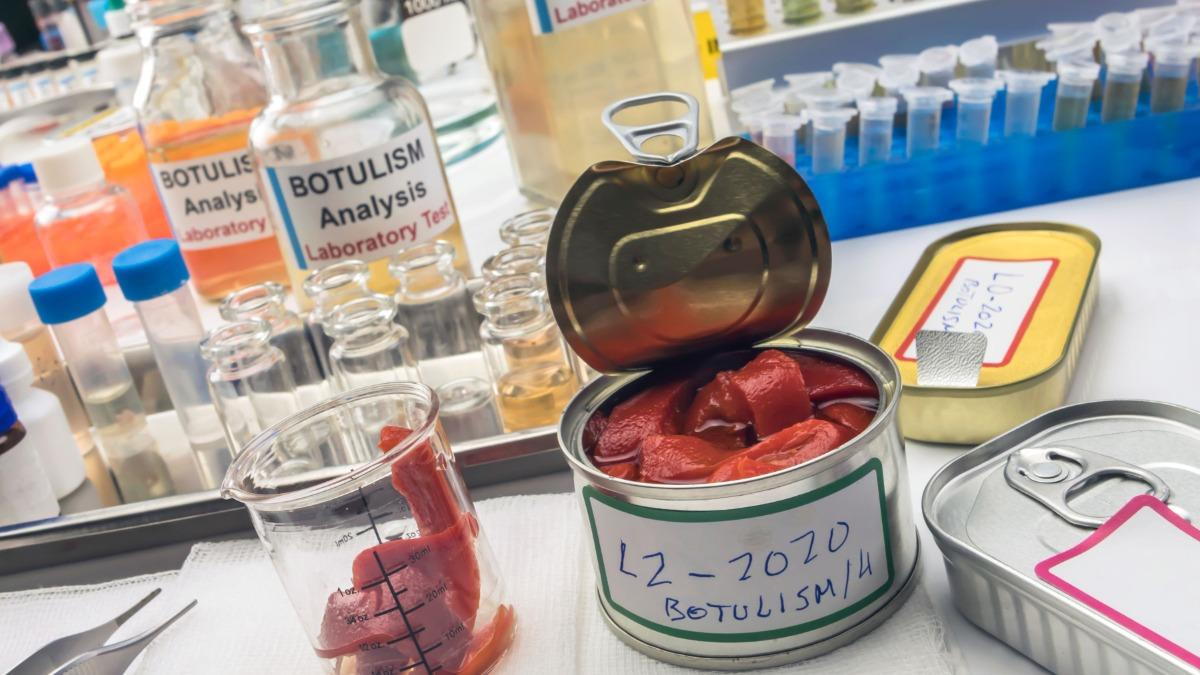
When it comes to your child’s health, even the rarest conditions can feel overwhelming if you don’t understand them. One such illness is botulism, a rare but serious condition that affects the nervous system and can be life-threatening if not treated quickly. While cases in children are uncommon, it’s important for parents to know what botulism is, how it happens, what symptoms to watch for, and the steps you can take to keep your child safe.
At Kidsville Pediatrics McKinney, our goal is to empower families with clear, accurate information so you can recognize early warning signs and make informed decisions about your child’s health.
What Is Botulism?
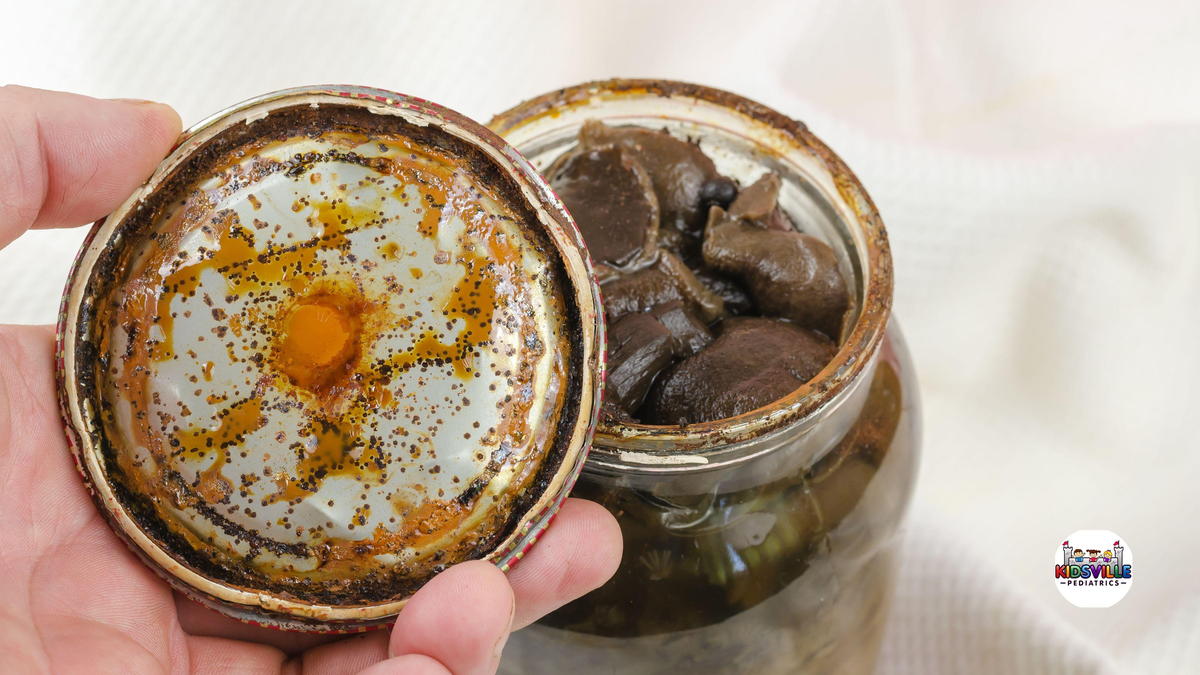
Botulism is a rare illness caused by toxins produced by the bacteria Clostridium botulinum. These toxins attack the body’s nerves, leading to muscle weakness and, in severe cases, paralysis. Although rare, botulism can be extremely dangerous—especially in babies and young children whose immune and digestive systems are not yet fully developed.
There are a few different types of botulism:
Infant botulism – the most common form in children under 12 months, caused when spores of the bacteria grow inside a baby’s intestines and produce toxins.
Foodborne botulism – occurs when a child eats food contaminated with the toxin.
Wound botulism – very rare in children, but can happen if bacteria infect a wound and release toxins.
The good news is that botulism is treatable when diagnosed early, and with proper medical care from a trusted McKinney doctor, most children make a full recovery.
Causes and Risk Factors

Understanding how children can be exposed to botulism is key to prevention. The bacteria Clostridium botulinum live naturally in soil and dust, but they only become dangerous when they produce toxins under the right conditions.
The main risk factors in children include:
Honey and corn syrup – Babies under 12 months should never be given honey or corn syrup. These can contain spores that grow in a baby’s immature digestive tract, leading to infant botulism. Older children and adults have developed gut bacteria that prevent these spores from growing, but infants do not.
Improperly stored or canned food – Foodborne botulism can occur when home-canned or preserved foods are not properly prepared, allowing the bacteria to thrive. While rare in modern households, it’s still a concern in cases of homemade or improperly sealed foods.
Dust and soil exposure – Infant botulism has been linked to spores from dust or soil, though this is less common. Homes undergoing construction or farming environments may pose higher exposure risks.
Wounds – Though extremely rare in children, wound infections contaminated with the bacteria can cause wound botulism.
Parents often ask their McKinney pediatrician how to keep their children safe from such exposures, and the best answer is consistent prevention and awareness.
Warning Signs in Children

Because early diagnosis is crucial, parents should be aware of the warning signs. Symptoms can appear anywhere from a few hours to several days after exposure to the toxin.
In infants, the symptoms may include:
Constipation (often the first noticeable sign)
Poor feeding or weak sucking
Weak cry
Floppiness or loss of head control (sometimes called “floppy baby syndrome”)
Lethargy or unusual sleepiness
In older children, symptoms may include:
Double or blurred vision
Drooping eyelids
Slurred speech or difficulty swallowing
Muscle weakness that spreads through the body
Difficulty breathing (a severe and emergency sign)
If you notice any of these symptoms, it is critical to seek medical help immediately. Experienced McKinney pediatricians stress that botulism progresses quickly, and early treatment can prevent severe complications.
Treatment and Recovery
Botulism is a medical emergency, and children showing symptoms need to be hospitalized right away. At Kidsville Pediatrics McKinney, we emphasize to parents that acting quickly can save lives.
The main treatments include:
Botulism immune globulin (BabyBIG®) – For infant botulism, doctors may administer a special medication that neutralizes the toxin circulating in the baby’s body.
Antitoxin therapy – For older children, doctors may give an antitoxin to stop the toxin from causing further damage. While the antitoxin can’t reverse damage already done, it prevents worsening symptoms.
Supportive care – Some children may need help with breathing, eating, or hydration until their body recovers. This may involve ventilators for breathing difficulties or feeding tubes in severe cases.
Rehabilitation – After treatment, children may need physical or occupational therapy to help their muscles regain strength.
Recovery can take weeks to months depending on the severity of the illness. The earlier the treatment begins, the better the chances of a smooth recovery, which is why working closely with your McKinney pediatrics doctors is so important.
Prevention Tips for Parents
The best way to deal with botulism is to prevent it before it happens. Parents can follow a few simple but powerful steps to protect their children:
Never feed honey or corn syrup to babies under 12 months.
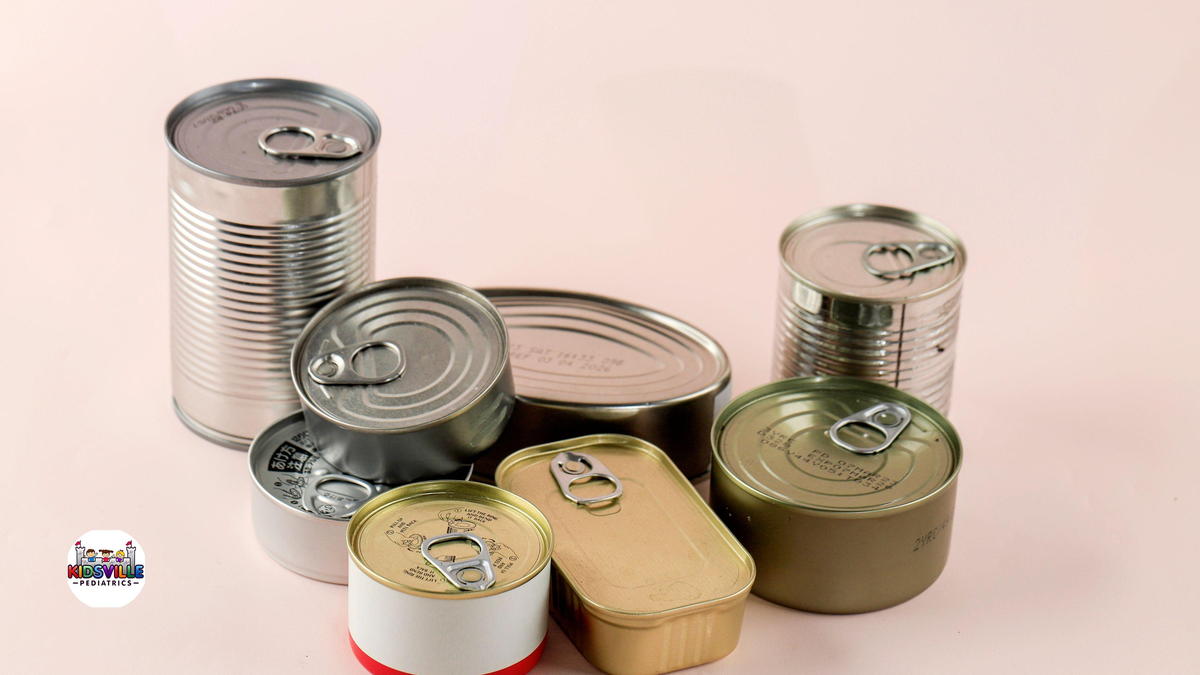
Avoid feeding children home-canned foods unless you are certain they were prepared safely. Commercially canned and packaged foods are generally safe.
Refrigerate food promptly and reheat it thoroughly before serving.
Limit your infant’s exposure to dust and soil, especially if home renovations or farming activities are nearby.
Watch for unusual weakness, feeding difficulties, or vision problems and seek medical attention immediately if they occur.
Families who partner with a trusted pediatrician McKinney TX expert can feel confident they are taking the right preventive steps for their child’s health.
Pedia Near Me
Though rare, botulism is a serious condition every parent should know about. By understanding the causes, recognizing early symptoms, and practicing safe feeding and food handling habits, you can greatly reduce your child’s risk. If you ever suspect your child may have botulism, seek medical care right away—quick action is the most important step toward recovery.
We are dedicated to guiding families through every stage of their child’s health journey. From everyday parenting questions to urgent medical concerns, Kidsville Pediatrics McKinney is here to help you keep your child safe, healthy, and thriving.
