
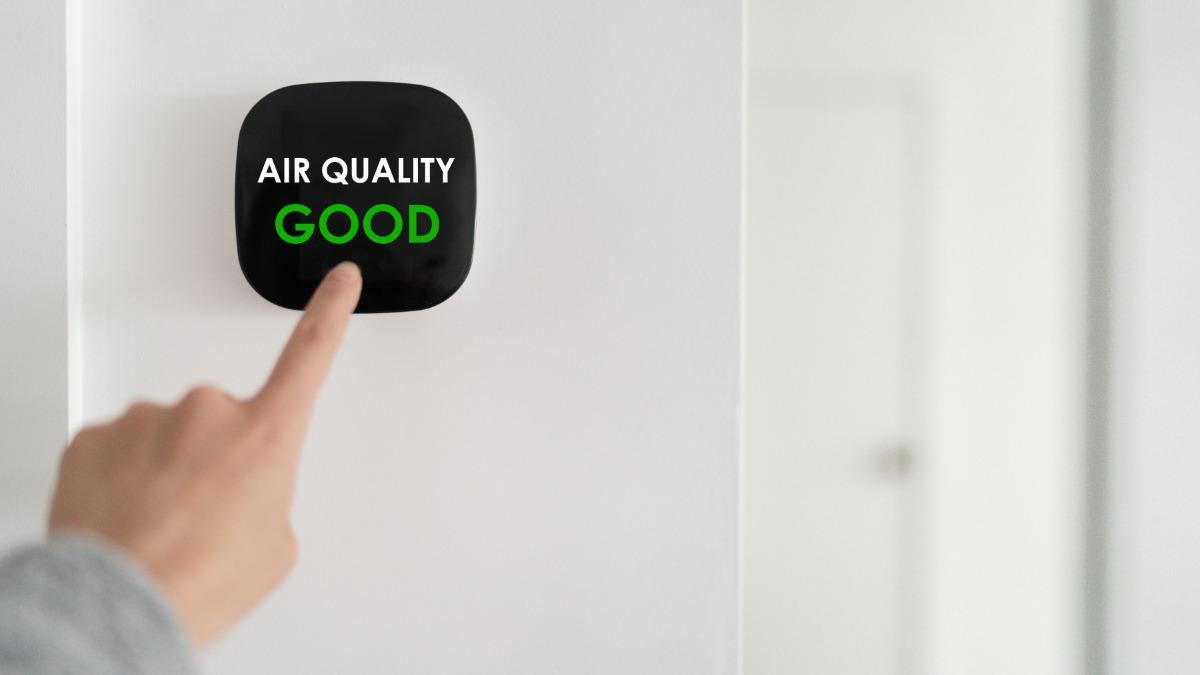
When we think about protecting our children’s health, we often focus on what they eat, how much sleep they get, and how active they are. But one major factor many families overlook is breathing issues that can arise from poor indoor air quality. Children spend much of their time indoors—whether at home, school, or daycare—and the air they breathe can significantly impact their health and well-being.
At Kidsville Pediatrics Southlake, we often see children whose allergies, asthma, or chronic coughs are linked to the air they breathe at home. Understanding what’s in your indoor environment—and taking steps to improve it—can make a big difference in your child’s respiratory health.
Common Indoor Pollutants Lurking in Your Home

The air inside your home can be two to five times more polluted than outdoor air. Hidden within your living spaces are common irritants and allergens that can affect your child’s respiratory system.
Dust mites are among the most frequent offenders. They thrive in bedding, carpets, and upholstered furniture. Their microscopic droppings can easily become airborne and trigger allergic reactions.
Pet dander is another major contributor. Even if your child isn’t allergic to animals, the fine particles shed by cats, dogs, and other pets can irritate their airways and worsen breathing issues.
Mold spores can also affect the air your family breathes. Bathrooms, kitchens, and basements are common breeding grounds for mold, especially in humid climates. Mold exposure may cause nasal congestion, coughing, and even asthma flare-ups.
Lastly, household products such as cleaning sprays, air fresheners, and paints can release volatile organic compounds (VOCs), which irritate the eyes, nose, and throat and can have long-term health impacts. Families in growing suburban areas like Southlake are particularly prone to exposure due to new construction materials and limited ventilation in modern homes.
How Poor Air Quality Affects Children’s Health

Children are more vulnerable to indoor pollutants than adults because their lungs are still developing and they breathe more air relative to their body weight. Poor indoor air quality can lead to or worsen breathing issues, asthma, allergies, and other respiratory conditions.
Studies show that chronic exposure to polluted indoor air can cause persistent coughing, wheezing, nasal irritation, and frequent respiratory infections. Over time, these problems may affect your child’s sleep, concentration, and overall energy levels.
The immune systems of young children are still maturing, making them more susceptible to environmental triggers. Infants and toddlers who crawl or play on the floor may inhale more dust and allergens that settle near ground level.
If your child often wakes up with a stuffy nose, rubs their eyes, or coughs at night, it may not just be seasonal allergies—it could be a sign that your home’s air needs attention. Families who consult their trusted Southlake pediatrician often find that improving indoor air quality is a key part of managing ongoing respiratory symptoms.
Signs Your Child Might Be Reacting to Indoor Air Problems

How do you know if your child’s environment is affecting their health? While every child is different, here are some warning signs parents should look out for:
Frequent coughing or sneezing that seems worse indoors than outdoors
Unexplained fatigue or irritability, often linked to sleep disruption from congestion
Recurrent sinus infections or colds that never seem to clear up
Asthma flare-ups that occur more often at home than elsewhere
Skin rashes or itchy eyes without clear allergic triggers
Some children also experience headaches, dizziness, or difficulty concentrating when exposed to indoor air pollutants. These symptoms may come and go but tend to improve when spending time in well-ventilated or outdoor environments.
If you notice these symptoms, consult your Southlake pediatrician to discuss possible environmental causes. They can help rule out other conditions and suggest whether allergy testing or air quality improvements might help.
Simple Ways to Improve the Air Inside Your Home

Improving your home’s air quality doesn’t require expensive equipment or renovations—just a few mindful changes can make a noticeable difference.
Increase ventilation. Open some windows especially after cooking or cleaning. Use exhaust fans in bathrooms and kitchens to reduce humidity and remove odors.
Change air filters regularly. Replace HVAC filters every one to three months to trap dust and allergens. Consider using HEPA filters for better particle removal.
Control humidity. Achieve an indoor humidity level of 30% to 50%. A dehumidifier can prevent mold growth, while a humidifier during dry months can ease breathing issues caused by dry air.
Reduce chemical exposure. Choose fragrance-free, non-toxic cleaning products, and avoid aerosol sprays. Look for paints with the following labels– “low VOC” or “zero VOC.”
Keep floors clean. Vacuum frequently using a HEPA-filter vacuum and mop hard floors regularly to remove dust, pollen, and dander.
Check for mold. Inspect under sinks, around windows, and in basements for signs of dampness or discoloration. Promptly fix leaks to prevent spores from spreading.
Even simple habits like removing shoes at the door can reduce the amount of outdoor pollutants brought inside.
Pedia Near Me: When to Talk to About Breathing Issues
If you’ve made changes to your home and your child still experiences breathing issues, it’s time to consult a medical professional. A pediatrician in Southlake can help identify whether your child’s symptoms are related to allergies, asthma, or another condition that needs treatment.
Your doctor may recommend allergy testing, lung function tests, or even an air quality assessment for your home. It’s also helpful to keep a symptom diary—note when symptoms occur, what room your child was in, and whether the weather or cleaning routines might be factors.
At Kidsville Pediatrics, we understand that parents want practical, family-friendly solutions. Sometimes, the fix may be as simple as improving ventilation or adjusting your home’s humidity levels. In other cases, medical management may be necessary to keep your child’s lungs healthy and strong.
Breathing well means living well. If your child struggles with persistent coughs, nasal congestion, or unexplained fatigue, reach out to your trusted Southlake doctors. Together, we can ensure your family breathes easier and stays healthier—starting right at home.
