
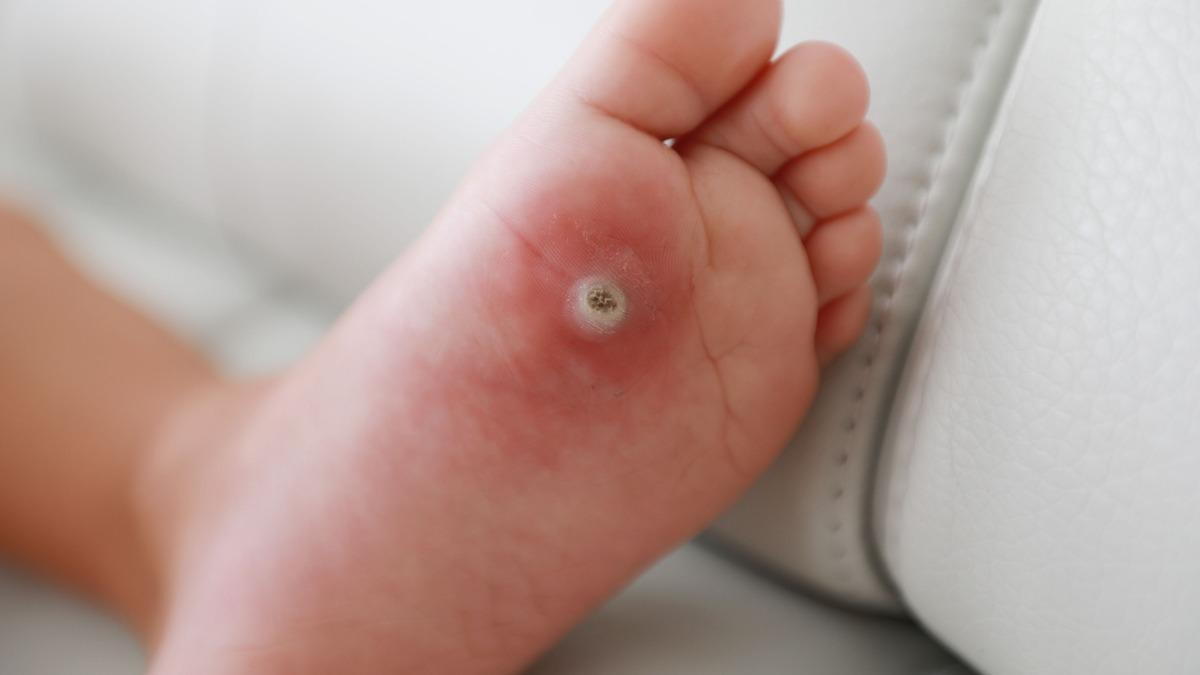
Seeing a wart on your child’s hand or foot can be worrying — but you’re not alone. Warts are a very common childhood skin condition, and they’re usually harmless. Still, they can be bothersome, uncomfortable, or even embarrassing for kids. Understanding what causes them, how they spread, and what treatment options are available can help you manage them safely and confidently.
Knowing what to look for — and when to visit your trusted pediatrician McKinney expert — makes all the difference in helping your child heal comfortably and avoid spreading the infection.
What Causes Warts in Children?

Warts are tiny, non-cancerous tags on the skin brought about by the human papillomavirus (HPV). While HPV is often discussed in the context of adult health, certain strains of the virus are quite common in children and typically cause harmless skin warts.
Children are more likely to get warts than adults because their immune systems are still developing. The virus enters the body through tiny cuts, scrapes, or breaks in the skin, often on the hands or feet. Once HPV infects the top layer of the skin, it triggers rapid growth of skin cells — resulting in the rough, raised bump we recognize as a wart.
Warts are not a sign of poor hygiene or dirtiness. Kids can pick up the virus simply by touching an infected surface or playing with another child who has warts. The good news is that most McKinney pediatrics doctors can reassure parents that these growths are benign and will often go away naturally as a child’s immune system matures.
Different Types of Warts You Might See

Not all warts look alike. The type your child develops depends on where the virus infects the skin and the specific HPV strain involved. Here are the most common types seen in children:
1. Common Warts (Verruca vulgaris)
These are the classic warts most parents notice first. They appear as rough, raised bumps with a grayish or flesh-colored surface. You’ll often find them on the fingers, hands, elbows, or knees, where kids are most likely to get scrapes or cuts. Sometimes, they have small black dots inside — these are tiny, clotted blood vessels, often called “wart seeds.”
2. Plantar Warts (Verruca plantaris)
Plantar warts usually occur on the soles of a kid’s feet. Because of constant pressure from walking, they tend to grow inward rather than outward, creating a hard, thickened spot that can feel like stepping on a pebble. Some kids may limp or avoid walking normally because of the discomfort.
3. Flat Warts (Verruca plana)
As the name suggests, flat warts are smooth and slightly raised. They’re usually small (like a pinhead) and appear in clusters on the face, arms, or legs. Flat warts are more common in school-aged children and teens, and though painless, they can spread quickly through scratching or shaving.
4. Periungual Warts
These warts develop around or under fingernails and toenails. They may start small but can grow large and rough, sometimes distorting nail growth. Nail-biters or kids who pick at their nails are more likely to develop this type because the virus easily enters through small breaks in the skin.
If you’re unsure what kind of wart your child has, a McKinney doctor can confirm the diagnosis and recommend the most appropriate care.
Are Warts Contagious? How They Spread Among Kids

Yes — warts are mildly contagious. HPV spreads through direct skin-to-skin contact or indirectly through contaminated surfaces. For example, a child can get warts by touching a wart on someone else, sharing towels or socks, walking barefoot in public showers or pool areas, or scratching and spreading the virus to nearby skin.
Because the virus thrives in warm, moist environments, places like locker rooms and swimming pools are common transmission spots.
It’s important to teach kids not to pick at or touch warts — theirs or others’ — to reduce the spread. At home, parents can help by assigning separate towels, encouraging frequent handwashing, and covering visible warts with a small bandage if needed.
If you’re concerned about warts spreading between siblings, your McKinney clinic can provide practical advice on hygiene habits and early prevention.
When to See a McKinney Pediatrician for Warts
Many warts will go away on their own, but sometimes medical care is the best option. You should schedule a visit with your child’s pediatrician in McKinney if:
The wart is painful, bleeding, or changes in color
It’s located on the face, genitals, or near the nails
It’s spreading quickly or forming in clusters
Your child has multiple warts that cause discomfort or embarrassment
Over-the-counter treatments haven’t worked after several months
In children with weakened immune systems, warts may be more persistent and require a personalized treatment plan.
McKinney pediatricians can determine whether the growth is truly a wart or another skin condition, such as molluscum contagiosum or a callus, before starting treatment.
Safe and Effective Treatment Options for Warts in Children

There’s no single “cure” for warts, but several treatments can help remove them faster and relieve discomfort. Your pediatrician will recommend the safest approach for your child’s age, skin sensitivity, and wart location.
1. Cryotherapy (Freezing)
Cryotherapy uses liquid nitrogen to freeze the wart, causing the tissue to blister and fall off. It’s one of the most common in-office treatments and usually requires several sessions. While effective, it can be mildly uncomfortable, so it may not be ideal for very young children.
2. Topical Treatments
These include salicylic acid-based medications that gradually dissolve wart tissue layer by layer. They’re available over the counter or in stronger prescription forms. Consistency is key — daily application for several weeks yields the best results.
3. Cantharidin (“Blister Beetle” Treatment)
Applied in the clinic, cantharidin causes a painless blister beneath the wart, helping it lift away from the skin. This treatment is popular for children because it’s gentle and typically painless during application.
4. Other Options
For stubborn or recurring warts, pediatricians may suggest laser therapy, minor surgical removal, or immune-boosting creams. These methods are reserved for persistent cases and are always performed under medical supervision.
Families who consult McKinney pediatrics doctors appreciate knowing that most warts resolve safely with conservative care — and that their child’s comfort always comes first.
At-Home Care and Prevention Tips

Good hygiene and healthy habits can make a big difference in managing warts and preventing new ones from forming. Parents can:
Keep warts covered with clean bandages
Remind kids not to pick or scratch
Wash hands often, especially after touching warts
Avoid sharing towels, shoes, or socks
Wear slippers in public showers or pool areas
Moisturize dry skin to prevent small cracks
Support immune health with balanced meals and good sleep
If you have questions about at-home care, your McKinney clinic can guide you on safe over-the-counter products and routines.
Myths and Facts About Warts

Myth: Touching frogs or toads causes warts.
Fact: Frogs and toads have bumpy skin, but they don’t carry HPV — you can’t catch warts from them.
Myth: You should cut off or pick at a wart to get rid of it.
Fact: Picking can spread the virus and cause infection. Always let a healthcare provider handle removal.
Myth: Warts mean poor hygiene.
Fact: Clean kids get warts, too. The virus is easily transmitted in everyday environments.
Myth: Once removed, warts are gone forever.
Fact: They can return if HPV remains in the skin, so prevention and good hygiene are essential.
Takeaway for Parents

Warts in children are common, harmless, and treatable — but they can still be frustrating for families. The key is to stay patient, avoid picking, and consult a trusted McKinney doctor if the wart is painful, spreading, or stubborn.
Most warts eventually go away as your child’s immune system strengthens. But with today’s gentle and effective treatment options at Kidsville Pediatrics McKinney, your child can get relief faster and return to play with confidence.
If you think your child may have a wart or another skin concern, contact your local McKinney clinic today to schedule an appointment with our caring pediatrician McKinney team. We’ll help you find the safest, most comfortable solution for your little one.
