

Parenting a child with Spina bifida can be both challenging and rewarding. While the diagnosis may feel overwhelming at first, early intervention, compassionate care, and strong family support make a tremendous difference in a child’s quality of life. At Kidsville Pediatrics Mansfield TX, our team believes that understanding the condition and knowing what to expect empowers parents to nurture their child’s growth with confidence and love.
Understanding Spina Bifida in Children

Spina bifida is a neural tube defect that occurs during early pregnancy when the spinal cord doesn’t form properly. This condition can lead to a range of physical and neurological differences, depending on its severity. There are three main types: spina bifida occulta (mild and often symptomless), meningocele (involving a fluid-filled sac), and myelomeningocele (the most serious form, where nerves may be exposed).
A pediatrician in Mansfield often works closely with specialists—such as neurologists, orthopedic surgeons, and physical therapists—to manage the condition effectively. Many children with Spina bifida grow up to lead active, fulfilling lives with proper treatment, adaptive support, and family guidance.
Early Signs and Developmental Milestones
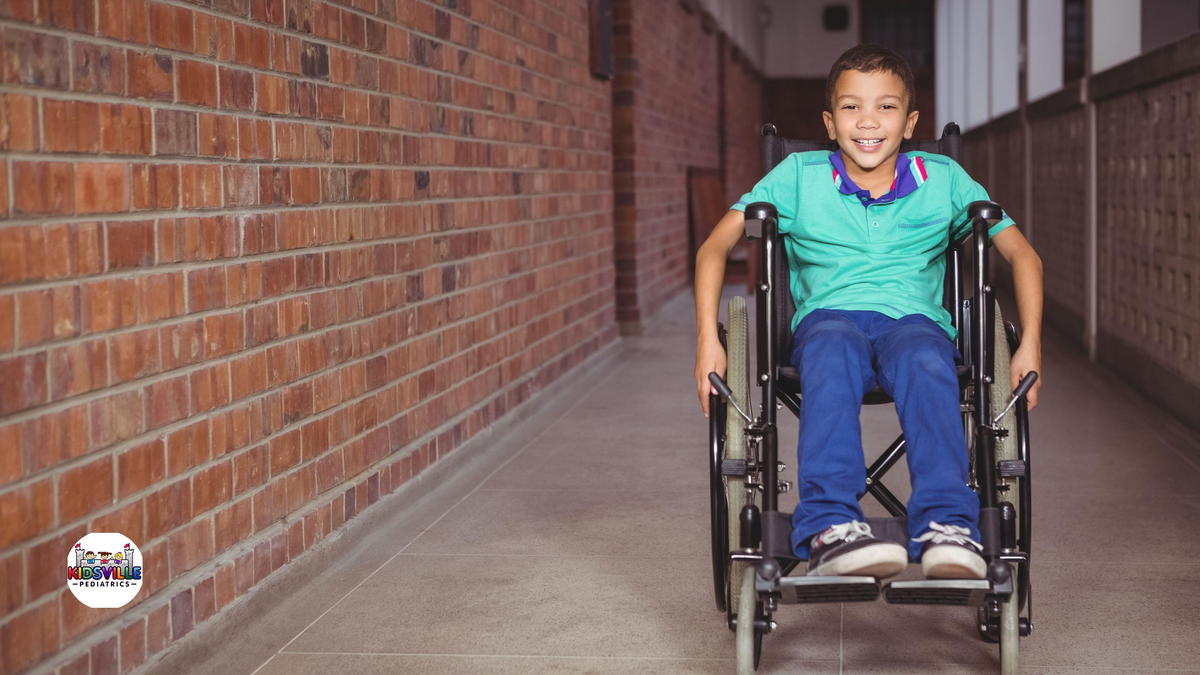
The signs of Spina bifida can vary depending on the type and location of the spinal opening. In babies, visible signs may include a small dimple, tuft of hair, or sac on the back. Other indicators may appear as the child grows, such as weakness in the legs, problems with bladder or bowel control, or delays in movement milestones like crawling and walking.
A Mansfield pediatrician plays a vital role in early detection through newborn exams and developmental screenings. Parents are encouraged to keep regular checkups so potential delays can be addressed through therapy and tailored support early on. Early intervention is key to improving motor skills and fostering independence.
Treatment and Surgical Care for Kids

Treatment for Spina bifida depends on the type and severity of the condition. Surgery is often recommended shortly after birth to close the spinal defect and protect the exposed nerves. Some children may require additional procedures later in life to address complications like fluid buildup in the brain (hydrocephalus).
Recovery and long-term management involve collaboration between families and healthcare professionals. A doctor in Mansfield may coordinate referrals to specialists for orthopedic or urological care. With consistent follow-up and a holistic approach, children can develop strength, mobility, and confidence over time.
Physical Therapy and Mobility Support

For children with Spina bifida, physical therapy is essential to promote strength, flexibility, and independence. Therapists often design personalized programs to help kids learn balance, coordination, and adaptive movement. Assistive devices like braces, crutches, or wheelchairs can support mobility and participation in school or play activities.
Families can work with Mansfield pediatricians to create a home plan that encourages active movement, from daily stretching to low-impact exercises like swimming. Encouraging participation in physical play and therapy helps children feel more empowered in their abilities.
Bladder and Bowel Management

Bladder and bowel challenges are common in children with Spina bifida, but with proper care and routine, these issues can be effectively managed. Many children benefit from a combination of scheduled bathroom routines, dietary adjustments, and medication. Some may require catheterization to ensure bladder health and prevent infections.
A pediatrician in Mansfield TX can guide families in creating an individualized care plan that maintains hygiene and supports confidence. The goal is always to promote comfort, dignity, and independence in daily routines.
School Life and Social Inclusion
Children with Spina bifida can thrive academically and socially when given the right support system. Parents and educators can collaborate to ensure that classroom environments are inclusive and accessible. This may involve wheelchair ramps, adaptive technology, or flexible seating arrangements.
It’s also essential to nurture emotional well-being. Encouraging friendships, participation in extracurricular activities, and celebrating small victories can help children build self-esteem. The team at Kidsville Pediatrics Mansfield TX often partners with families and schools to advocate for a supportive and inclusive learning environment.
Parent Support and Coping
Raising a child with Spina bifida can come with emotional ups and downs. Parents may experience worry, stress, or feelings of isolation. Finding the right community and professional support makes all the difference. Support groups, counseling, and parent education sessions can help families build resilience and connection.
Families in the area can turn to a pediatrician in Mansfield TX for guidance and referrals to specialists and support resources. Remember, self-care for parents is equally important—strong, healthy caregivers foster strong, happy children.
Pedia Near Me
Every child with Spina bifida is unique, with their own strengths, challenges, and story. With the right medical care, family support, and community understanding, these children can thrive in every stage of life. Whether you’re seeking expert advice, ongoing care, or compassionate guidance, our team at Kidsville Pediatrics Mansfield TX is here to walk with your family every step of the way.
