
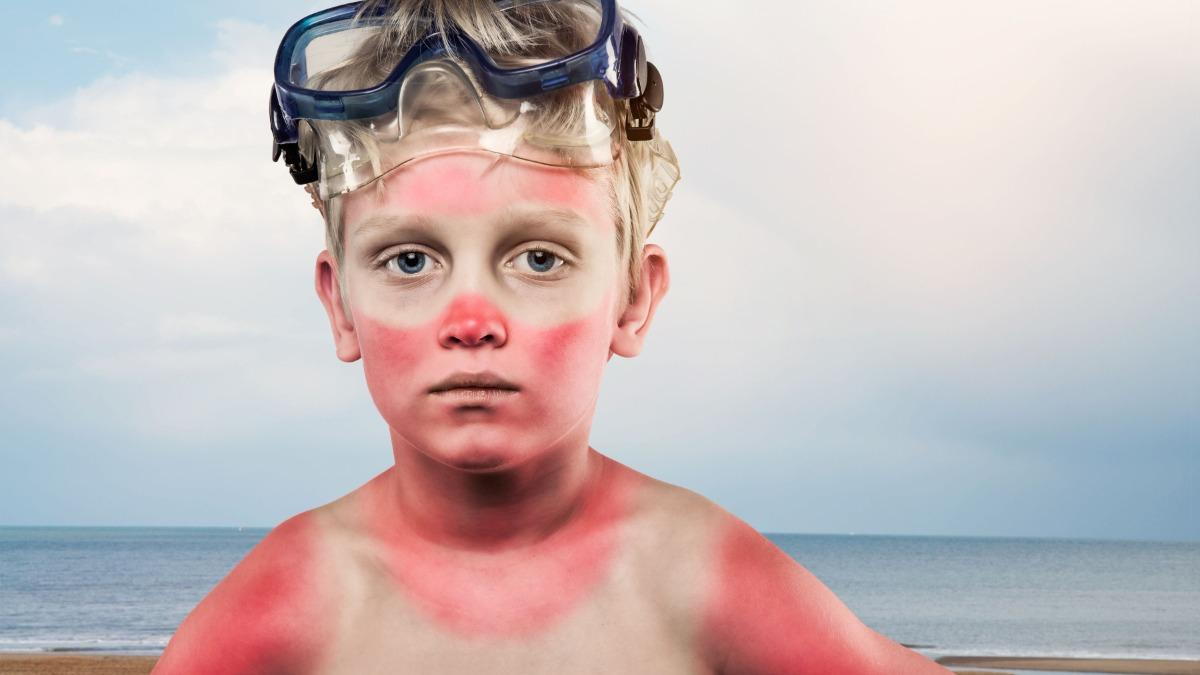
Children love the outdoors — from running in the park to swimming under the summer sun — but while playtime is healthy and fun, the sun’s rays can be deceptively harsh on young skin. A sunburn may seem like a minor issue at first, but it can lead to lasting damage, discomfort, and increased risks later in life.
Parents often underestimate how quickly a child’s skin can burn, even on cloudy or cooler days. Understanding how to prevent, treat, and recognize the seriousness of sun exposure is an important part of caring for your child’s overall health.
Causes and Risk Factors

Children’s skin is thinner and more sensitive than that of adults, which makes it more vulnerable to UV radiation. Their skin contains less melanin — the pigment that gives color and provides some natural protection — making them more prone to sunburn even after short periods of unprotected exposure.
Common situations where kids get burned include playing at the beach or pool without reapplying sunscreen, attending outdoor sports events, or going on car rides where sunlight streams through windows. Even on cloudy days, up to 80% of UV rays can penetrate the clouds, putting your child’s skin at risk. Infants under six months are especially susceptible because their skin has not yet developed its natural defenses against ultraviolet radiation.
A McKinney pediatrician will often remind parents that the Texas sun can be intense year-round, not just during summer. This means sun protection should be part of your child’s daily routine, just like brushing teeth or wearing a seatbelt.
Symptoms and Stages of Sunburn

The symptoms of sunburn vary in terms of its severity. Mild cases could show up as pink or a slightly red skin that feels warm or even tender to the touch. More serious burns may result in deep redness, swelling, blisters, and pain. Children might also complain of chills, fever, or dehydration, which can indicate a more severe reaction called “sun poisoning.”
Sunburns typically progress through three stages:
Initial redness and tenderness – The skin becomes warm, sore, and visibly red within hours of exposure.
Peeling and itching – A few days later, the skin begins to peel as new cells replace the damaged ones.
Healing – The skin color gradually returns to normal, though repeated burns can cause long-term changes such as freckles, moles, or premature aging.
If your child experiences blisters larger than a quarter, extreme pain, or signs of infection like pus or fever, it’s time to consult a McKinney doctor or visit Kidsville Pediatrics McKinney clinic for an evaluation.
First Aid and Home Treatment

The first step in treating a sunburn is to move your child out of the sun immediately and keep them hydrated. Apply cool (not cold) compresses or let them take a gentle, lukewarm bath to soothe discomfort. Afterward, pat the skin dry and use a fragrance-free moisturizer or aloe vera gel to help reduce inflammation.
Pain relief may be provided using acetaminophen or ibuprofen as recommended by your McKinney pediatrics doctors, especially if the burn is causing significant discomfort. Encourage your child to drink plenty of water, as sunburns can lead to dehydration through fluid loss from the skin.
Avoid applying petroleum jelly, butter, or oil-based creams — these can trap heat and worsen irritation. Never pop blisters, as this increases the risk of infection. Loose, soft clothing made of cotton can help prevent further friction against the affected area while it heals.
Prevention Tips for Parents
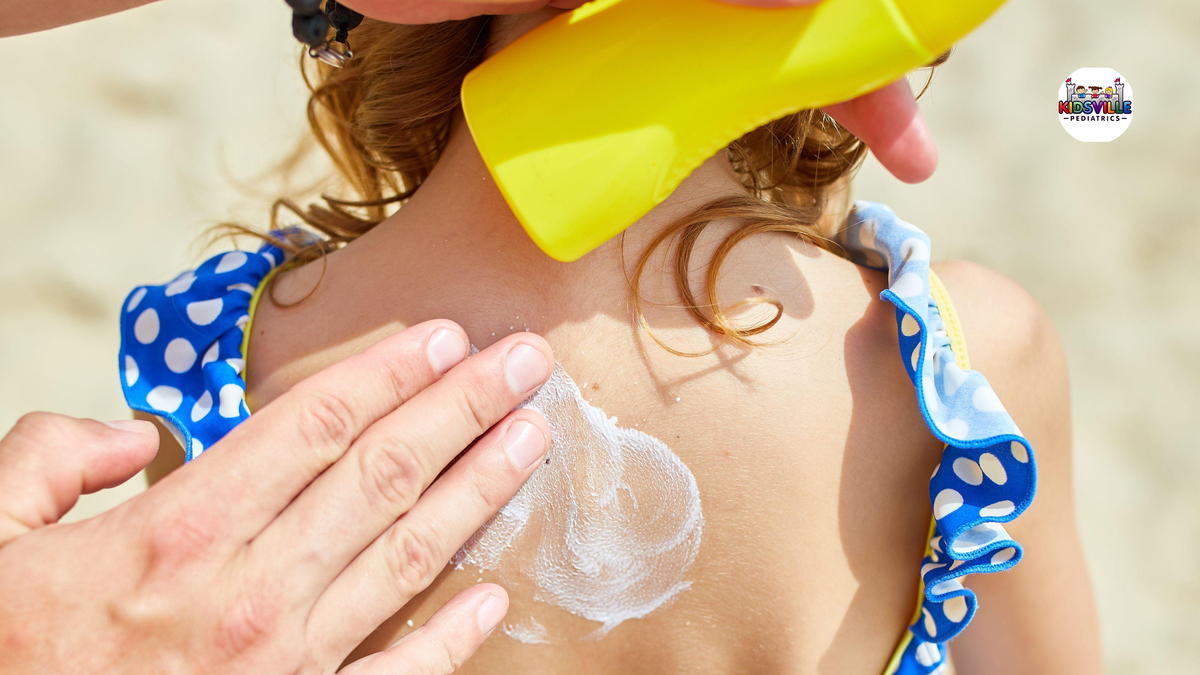
Preventing sunburn is far easier than treating one. Use a broad-spectrum sunscreen with an SPF of 30 or higher and reapply it every two hours — or more frequently if your child is swimming or sweating. Don’t forget commonly missed areas like ears, neck, tops of feet, and the back of the knees.
Choose protective clothing such as long-sleeved shirts, wide-brimmed hats, and sunglasses that offer UV protection. Plan outdoor activities before 10 a.m. or after 4 p.m. when the sun’s rays are less intense. For babies under six months, avoid direct sunlight altogether and rely on shade, hats, and lightweight clothing instead.
According to pediatric healthcare McKinney experts, sun safety habits learned early can significantly reduce a child’s lifetime risk of skin damage and skin cancer. Parents should also model good sun behavior by applying sunscreen themselves and encouraging consistent use as part of the family routine.
Pedia Near Me
Sometimes, even with the best precautions, children can still develop sunburn that requires medical attention. You should call your pediatrician in McKinney TX if your child’s sunburn is accompanied by severe blistering, extreme pain, swelling, fever, or signs of dehydration such as dry lips, fatigue, or dizziness.
Sun poisoning is a more serious form of burn that can cause nausea, confusion, or fainting and needs immediate care. If infection develops — indicated by oozing or crusting — a doctor may prescribe topical or oral antibiotics.
Your McKinney clinic pediatrician can also guide you on how to prevent long-term scarring or pigmentation changes. In many cases, they’ll suggest gentle skin care routines and follow-up visits to ensure proper healing.
