
Managing diabetes in children has come a long way from daily finger pricks and multiple insulin injections. With modern technology, families now have tools that make diabetes management safer, easier, and more precise. For parents of children with juvenile diabetes, understanding how these tools work—and how they can fit into daily life—is essential.
Today’s insulin pumps, continuous glucose monitors (CGMs), and smart apps are transforming diabetes care for kids, giving them freedom and confidence to live full, active lives.
At Kidsville Pediatrics, we believe that informed parents are empowered parents. Here’s what you need to know about the latest innovations that are making diabetes care simpler for children and teenagers.
How Insulin Pumps Work: Making Life Easier for Kids with Type 1 Diabetes

For many families, insulin pumps have been life-changing. These small, wearable devices deliver insulin continuously throughout the day through a thin tube or patch placed on the skin. Unlike traditional injections, insulin pumps mimic how the pancreas naturally releases insulin. Children no longer have to take multiple daily shots, and parents can adjust insulin delivery based on meals, activity levels, or blood sugar readings.
One of the most important benefits for children is flexibility. Kids can eat when they’re hungry, be spontaneous with activities, and worry less about strict schedules. The pump can be programmed to give more insulin after eating or less during exercise, which helps prevent highs and lows in blood sugar.
Parents and healthcare teams at a pediatric clinic can also monitor trends and make fine-tuned adjustments remotely. The goal isn’t just better blood sugar control—it’s helping children feel less restricted and more like other kids their age.
Transitioning to an insulin pump takes patience and education. Families typically work closely with a pediatric endocrinologist or diabetes educator to learn how to use the device safely. Once mastered, the freedom and stability it offers are remarkable.
Continuous Glucose Monitors (CGMs): A Game-Changer for Parents and Kids

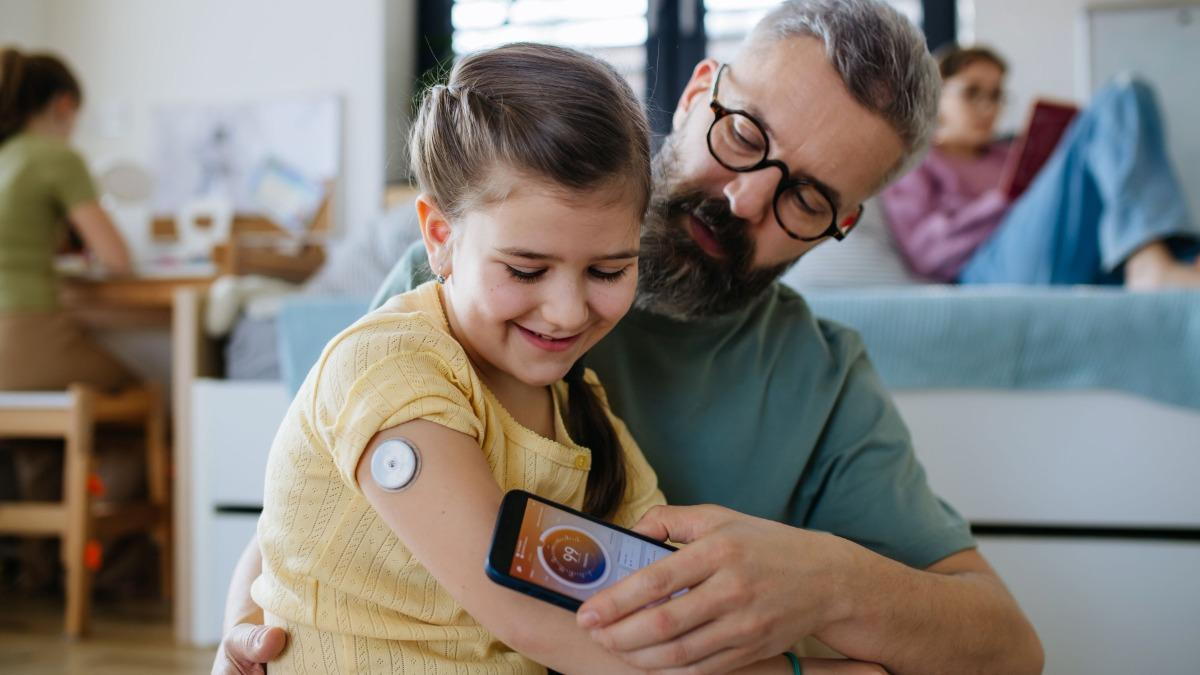
Continuous Glucose Monitors, or CGMs, are revolutionizing how children and parents manage diabetes. Instead of pricking fingers multiple times a day, CGMs use a tiny sensor under the skin to measure glucose levels every few minutes. Readings are sent to a smartphone or receiver, allowing parents and kids to see real-time data and trends.
For parents, especially those with younger children, CGMs offer peace of mind. Many systems have alerts that notify you if blood sugar is too high or too low—even while your child is sleeping or away at school. This feature can help prevent emergencies and allows for quick, informed action.
For older kids and teens, CGMs promote independence. They can see how certain foods or activities affect their glucose and make adjustments on their own. The result is greater awareness, fewer surprises, and more confidence in managing juvenile diabetes.
Combining CGMs and Insulin Pumps: The Future of Smart Diabetes Care

Imagine a system that automatically adjusts insulin delivery based on real-time glucose readings—no guessing, no constant calculations. That’s exactly what happens when CGMs and insulin pumps work together. These “hybrid closed-loop” systems, sometimes called the “artificial pancreas,” are one of the most exciting advances in diabetes care.
When blood sugar starts to rise, the system delivers more insulin. When it drops, it pauses insulin delivery. This automation significantly reduces the risk of both high and low blood sugar episodes. Parents no longer have to wake up multiple times a night to check levels, and children can go about their day with less interruption.
At Kidsville Pediatrics, our medical team often emphasizes that while technology doesn’t replace vigilance, it does provide a safety net that helps families breathe easier. Combining these devices can lead to better blood sugar control, fewer hospital visits, and improved overall health.
Kid-Friendly Diabetes Gadgets: Choosing Devices That Fit Your Child’s Lifestyle

Not every child is the same, and not every device will fit every personality or routine. Some kids prefer a patch-style insulin pump with no tubing, while others feel more comfortable with a traditional model. CGMs also come in different designs, with sensors that last anywhere from 7 to 14 days before needing replacement.
Comfort, size, and ease of use are key factors when choosing a device. Younger children may need help managing their equipment, while older kids can take more responsibility with guidance. Schools and caregivers should also be included in the learning process to ensure proper use.
Families can consult their pediatric clinic for recommendations tailored to their child’s needs and daily activities. Most importantly, children should be part of the decision-making process. When they feel ownership over their devices, they’re more likely to use them correctly and confidently.
Empowering Families Through Data: How Diabetes Apps Help Track, Learn, and Thrive

Modern diabetes management doesn’t end with devices—it extends to the apps that connect them. Most insulin pumps and CGMs now sync to mobile platforms that store, analyze, and visualize glucose data. Parents and healthcare teams can spot trends, make informed adjustments, and celebrate progress.
These apps can also help families set reminders for insulin doses, meals, and physical activity. Over time, they provide insights that empower kids to understand their own patterns. When a child realizes that their blood sugar stays steadier after certain meals or activities, they gain a sense of control and accomplishment.
Apps also strengthen the connection between families and their healthcare providers. During pediatric wellness visits, data can be shared directly from the app, making checkups more productive and personalized. For families who use same day scheduling for unexpected concerns, having accurate, up-to-date information ensures timely and effective care.
Digital tools aren’t meant to replace family routines but to enhance them. The more information you have, the more confidently you can guide your child toward healthy habits and steady control of juvenile diabetes.
A Future of Freedom and Confidence
Technology is giving children with juvenile diabetes something previous generations didn’t have—freedom. Freedom from constant injections, from uncertainty, and from the fear of the unknown. Parents, too, are gaining peace of mind through devices that monitor, alert, and assist in real-time.
At Kidsville Pediatrics, we celebrate how innovation is helping kids live healthier, happier lives while giving parents the tools to manage diabetes with confidence. Whether it’s an insulin pump, CGM, or app, these technologies make diabetes care more personalized, accurate, and hopeful than ever before.
Families navigating diabetes don’t have to do it alone. With the right guidance, technology, and support, every child can thrive beyond their diagnosis—and that’s the promise of today’s advancements in juvenile diabetes care.
