
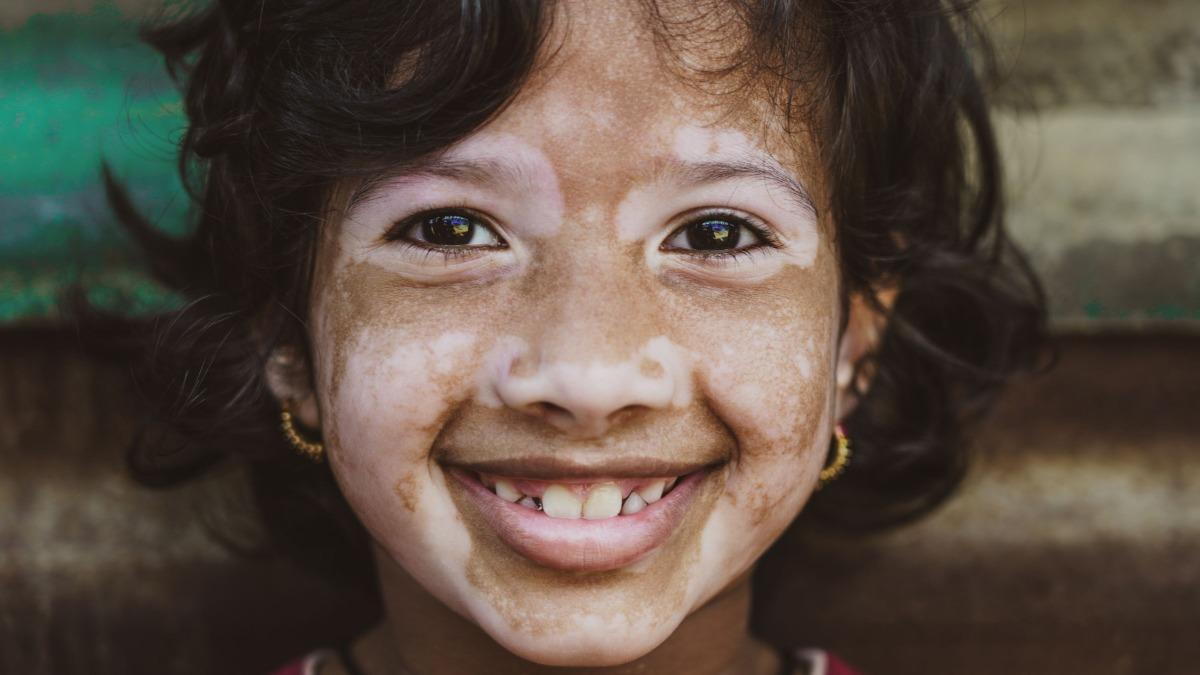
When a parent notices white patches appearing on their child’s skin, worry and confusion naturally follow. These patches may be an early sign of vitiligo, a condition that affects the skin’s pigmentation. While it isn’t contagious or life-threatening, it can cause emotional distress for both children and families.
At Kidsville Pediatrics Prosper, we often receive questions from parents who want to understand what causes vitiligo, how it is diagnosed, and what treatment options exist. This guide is meant to help you navigate those questions with clarity and reassurance.
Causes and Risk Factors – Understanding Why Vitiligo Develops in Kids

Vitiligo occurs when the cells that produce melanin stop functioning or die. The exact reason this happens isn’t fully understood, but it’s believed to be related to an autoimmune process in which the body mistakenly attacks its own pigment-producing cells, called melanocytes.
Genetics play a key role—children with a family history of autoimmune conditions, such as thyroid disease or type 1 diabetes, have a slightly higher risk of developing vitiligo. Environmental triggers may also contribute, including sunburn, stress, or exposure to certain chemicals. In some children, these factors might trigger or worsen pigment loss.
Although it can affect anyone, vitiligo often appears in childhood or early teenage years. Families who visit our Prosper TX pediatricians often mention the first spots showing up on their child’s face, hands, knees, or around the eyes and mouth—areas where pigment change is most noticeable.
Early Signs and Diagnosis – How Parents and Pediatricians Can Identify Vitiligo Early

The most recognizable sign of vitiligo is the appearance of flat, white patches on the skin. These patches are usually more visible on darker skin tones and may slowly spread over time. Some children might also notice early graying of the hair, eyelashes, or eyebrows.
Diagnosing vitiligo is largely based on a physical examination. A Prosper pediatrician will often use a special ultraviolet light, called a Wood’s lamp, to examine the affected areas more closely. This helps differentiate vitiligo from other skin conditions such as fungal infections or eczema.
Occasionally, your child’s doctor may order blood tests to check for related autoimmune issues. If you’re uncertain whether your child’s white patches are due to vitiligo or another cause, consulting a Prosper doctor can help ensure proper evaluation and peace of mind.
Treatment Options for Children – Safe and Effective Therapies

Although there is no permanent cure for vitiligo, many treatments can help restore color to the skin and slow its progression. Treatment choice depends on your child’s age, the extent of skin involvement, and how the condition affects their emotional well-being.
Topical corticosteroids are often the first line of treatment, as they can reduce inflammation and sometimes help repigment the skin. Calcineurin inhibitors (such as tacrolimus ointment) are another option, particularly for delicate areas like the face. Light therapy, also known as phototherapy, is another effective approach. It uses controlled ultraviolet light exposure to stimulate pigment production.
In older children or teenagers, a Prosper pediatrics specialist might recommend combination therapy—using topical medications with light therapy—to enhance results. The goal is not just cosmetic improvement but also emotional confidence. Parents should always discuss potential side effects and expected outcomes with their child’s Prosper clinic provider before starting treatment.
Emotional and Social Impact – Helping Children Cope with Self-Esteem Challenges
The emotional effects of vitiligo can sometimes be more challenging than the physical symptoms. Children and teens may feel self-conscious or experience teasing from peers, especially if patches appear on visible areas such as the face or hands.
Parents play a crucial role in helping their child develop resilience and confidence. Open conversations about vitiligo, along with reassurance that it does not define their worth or beauty, are essential. In some cases, therapy or support groups can help children process their feelings and connect with others who share similar experiences.
At Kidsville Pediatrics Prosper, our pediatricians emphasize the importance of supporting the child’s mental health alongside their physical treatment. Confidence-building strategies, like focusing on the child’s talents and strengths, go a long way toward helping them navigate school and social life comfortably.
Daily Care and Sun Protection Tips – Practical Ways to Protect and Care for a Child’s Skin

Children with vitiligo need extra attention when it comes to skin protection. Since depigmented skin lacks melanin, it is more vulnerable to sunburn and irritation. Parents should encourage daily use of broad-spectrum sunscreen with SPF 30 or higher, even on cloudy days. Lightweight, protective clothing and hats can also shield the skin from harmful UV rays.
Gentle skincare routines are best—avoid harsh soaps or chemical irritants that might inflame the skin. Moisturizing daily helps maintain skin barrier health and reduce dryness. If your child spends a lot of time outdoors, remember to reapply sunscreen every two hours.
Visiting your local pediatric clinic can also help establish a routine that suits your child’s skin type and activity level. Your Prosper TX pediatricians can recommend child-safe sunscreen options and address any questions about ongoing care.
Nurturing Confidence and Comfort
Living with vitiligo doesn’t have to hold your child back. With early diagnosis, proper treatment, and compassionate support, children can thrive and maintain healthy self-esteem. As a parent, you play the most important role—reminding your child that their beauty and uniqueness go far beyond their skin.
At Kidsville Pediatrics Prosper, we are here to help families navigate every step of this journey, from diagnosis to ongoing care. If you have concerns about changes in your child’s skin, don’t hesitate to reach out to your trusted pediatrician for guidance. Together, we can ensure your child receives the care and confidence they deserve while living fully and joyfully with vitiligo.
