
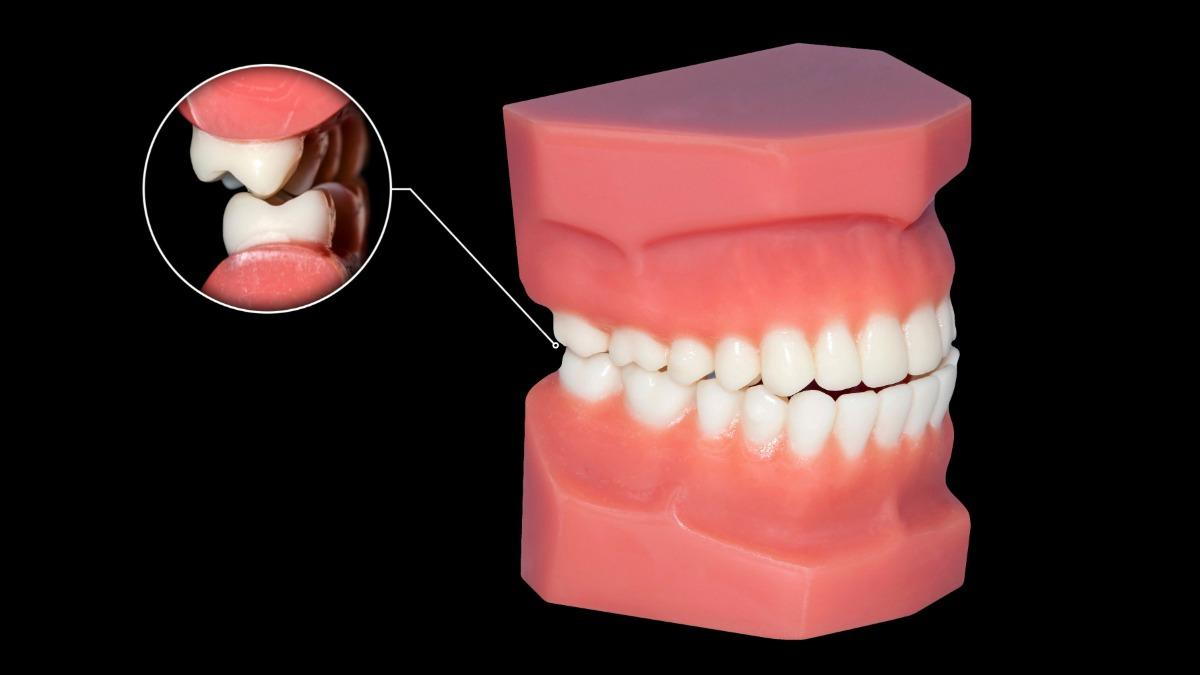
As parents, it can be concerning to hear your child grinding their teeth at night or clenching their jaw during the day. This behavior, known as bruxism, is more common than many realize—especially among young children and teenagers. While it might seem harmless at first, untreated bruxism can lead to dental issues, jaw discomfort, and even sleep disturbances. Recognizing the signs early and knowing when to seek professional help are key to protecting your child’s oral and overall health.
Causes of Bruxism in Children

The causes of bruxism in children can vary. In many cases, it’s linked to emotional or physical stress. Kids may grind their teeth as a response to anxiety, frustration, or tension—similar to how adults might bite their nails or fidget. Sometimes, misaligned teeth or an abnormal bite can also trigger teeth grinding, as the jaw tries to find a more comfortable position. Other times, sleep disturbances such as sleep apnea, nightmares, or discomfort during teething (in younger children) can contribute to the problem.
Parents of children who show signs of grinding should consider factors such as changes at school, family stress, or new routines. If emotional stress appears to be a factor, working with your child’s healthcare provider or a McKinney pediatrics behavioral specialist can help identify ways to reduce anxiety and improve sleep quality.
Common Signs and Symptoms of Teeth Grinding
Children with bruxism may not always realize they’re grinding their teeth, especially if it happens during sleep. Parents often notice the condition because of the sound it makes—a faint grinding or clicking noise at night. Common symptoms include jaw soreness in the morning, dull headaches, ear pain, and tooth sensitivity. In more severe cases, parents may notice visible signs such as chipped, flattened, or worn-down teeth.
Behavioral changes can also occur. Children might complain about difficulty chewing or tiredness due to disrupted sleep. If these signs appear, it’s important to schedule a checkup with one of our McKinney pediatrics doctors to determine whether bruxism is present and to rule out other potential causes of discomfort.
How Bruxism Affects a Child’s Dental and Overall Health
While mild teeth grinding can sometimes resolve on its own, persistent bruxism can lead to long-term issues. Continuous grinding wears away the enamel—the protective layer of the teeth—making them more susceptible to cavities and sensitivity. Over time, this can affect the alignment of the teeth and even alter how the jaw develops.
Beyond dental concerns, chronic bruxism can interfere with quality sleep, leading to fatigue, irritability, and difficulties in focus or school performance. Some children also experience tension headaches and jaw disorders such as temporomandibular joint (TMJ) dysfunction. Early intervention through regular checkups at Kidsville Pediatrics McKinney can prevent these complications and help children maintain a healthy, pain-free smile.
Diagnosis and Treatment Options for Pediatric Bruxism
Diagnosing bruxism typically begins with a dental examination. A pediatric dentist will look for wear patterns on the teeth, signs of enamel loss, and jaw tenderness. In some cases, parents may be asked to observe their child’s nighttime behavior or note any sounds of grinding. If sleep disorders are suspected, the pediatrician might recommend a sleep study to better understand what’s happening during rest.
Treatment depends on the cause and severity. For younger children, bruxism may improve as the child grows and permanent teeth replace baby teeth. However, if grinding continues, the dentist may suggest a custom night guard to protect the teeth. In cases related to stress, relaxation techniques, counseling, or adjustments to bedtime routines can make a significant difference. For complex cases, the best pediatrician in McKinney TX may collaborate with dental specialists and child therapists to create a comprehensive care plan.
At-Home Strategies to Help Stop Teeth Grinding

Parents can take several proactive steps at home to reduce bruxism in their children. Establishing a calming bedtime routine—such as reading, listening to soft music, or gentle stretching—can help children relax before sleep. Avoiding caffeine and sugary drinks close to bedtime is also helpful. Encourage your child to express feelings of worry or stress openly, and model relaxation habits through mindfulness or breathing exercises.
If your child’s bruxism seems linked to misaligned teeth or mouth discomfort, consult your pediatrician or dentist for a full evaluation. McKinney pediatricians emphasize preventive care, helping parents recognize and address early signs before complications develop.
In addition, maintaining regular dental visits through pediatric healthcare McKinney experts ensure that any tooth wear, jaw pain, or enamel damage is detected early. Early management not only protects your child’s teeth but also improves their sleep and overall well-being.
Supporting Your Child’s Healthy Smile
Teeth grinding may seem like a simple habit, but bruxism can have a lasting impact if ignored. With the right combination of professional care, emotional support, and preventive strategies, most children can overcome the condition and avoid long-term dental issues. Kidsville Pediatrics McKinney is dedicated to providing compassionate, comprehensive care for every child—from toddlers to teens.
If you notice signs of teeth grinding or suspect bruxism, don’t hesitate to reach out to your child’s pediatrician or dentist. Early attention makes all the difference in ensuring healthy smiles and restful nights for your growing child.
