
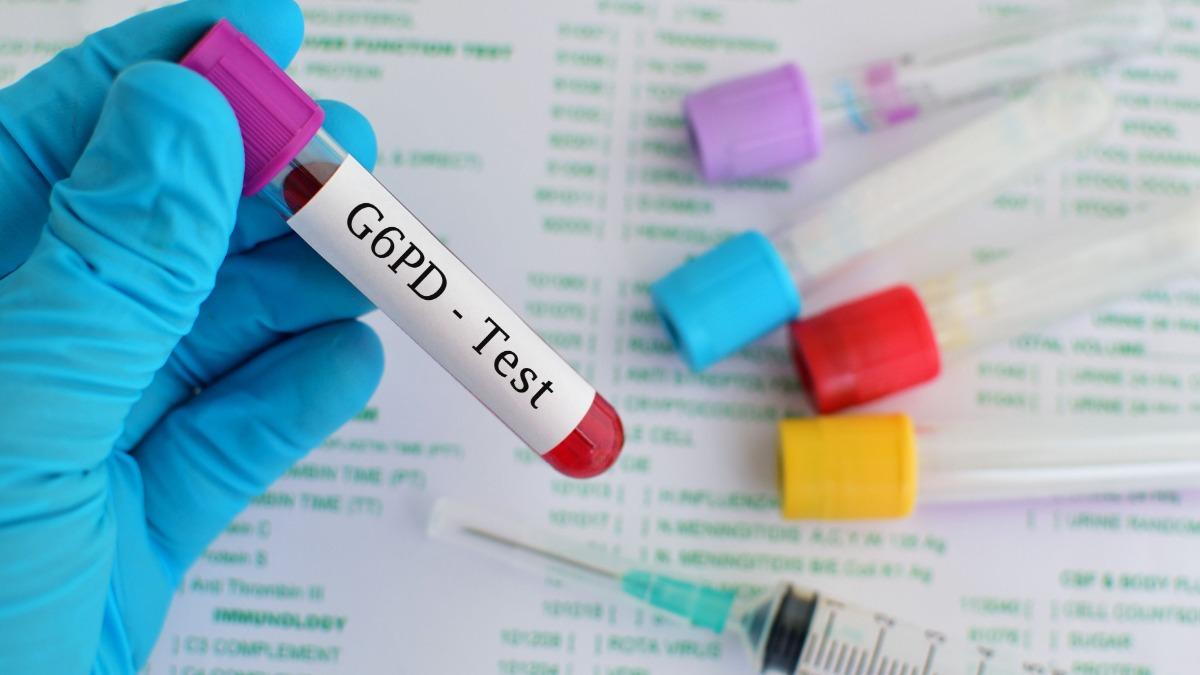
It’s completely normal for parents to feel anxious when they hear their child has a medical condition they’re unfamiliar with. One example is G6PD deficiency, an inherited enzyme disorder that affects many children across the globe. Although the name may sound concerning, gaining a clear understanding of what this condition is, the triggers that can cause problems, and the best ways to manage it can go a long way in helping your child stay healthy, active, and well cared for.
What Is G6PD Deficiency?

Glucose-6-phosphate dehydrogenase (G6PD) is an enzyme that helps red blood cells function properly by protecting them from oxidative damage. When a child has G6PD deficiency, their red blood cells lack enough of this protective enzyme. Without it, certain foods, medications, or infections can cause the red blood cells to break down prematurely, a process known as hemolysis.
This breakdown leads to hemolytic anemia—a condition in which the body doesn’t have enough healthy red blood cells to carry oxygen throughout the body. Boys are more commonly affected since the gene responsible for G6PD is located on the X chromosome. However, both boys and girls can inherit it.
Parents visiting Kidsville Pediatrics McKinney often ask if this condition can go away. The answer is no—it’s lifelong—but the good news is that it’s completely manageable with the right care and awareness.
Common Triggers and What to Avoid

Children with G6PD deficiency can lead normal lives, but it’s crucial to avoid certain triggers that can cause a hemolytic episode. These triggers include:
Foods: Fava beans are the most well-known culprit, but other legumes should also be approached with caution.
Medications: Some antibiotics, antimalarial drugs, and pain relievers like aspirin can be harmful. Always inform your healthcare provider that your child has G6PD deficiency before giving any new medication.
Infections: Even common viral or bacterial infections can stress the body and trigger hemolysis. Early medical attention is important when your child becomes ill.
A reliable guide from a pediatric healthcare McKinney clinic can help you identify which medications and foods to avoid. Parents should keep an updated list of unsafe substances at home and share it with caregivers, teachers, and relatives.
Signs and Symptoms in Children

The symptoms of G6PD deficiency vary depending on the severity of enzyme deficiency and the exposure to triggers. Some children may never have noticeable symptoms unless they encounter a trigger.
Common signs include:
Yellowing of the skin and eyes (jaundice)
Dark-colored urine
Fatigue or weakness
Rapid heart rate
Pale skin
Shortness of breath
If your child develops these symptoms, especially after eating certain foods or taking medication, seek medical help immediately. Our experienced team at McKinney emphasizes that prompt treatment during a hemolytic episode helps prevent complications such as severe anemia or organ stress.
Diagnosis and Testing

Newborn screening programs in many hospitals include a test for G6PD deficiency. If the screening indicates a possible deficiency, further confirmatory tests are performed. These blood tests measure the level of G6PD enzyme activity in red blood cells.
If your child wasn’t screened as a newborn but shows signs of unexplained jaundice or anemia, your pediatrician may recommend testing. The best pediatrician in McKinney TX should explain that knowing your child’s G6PD status early helps prevent exposure to harmful substances that could trigger hemolysis later on.
The test is simple and involves only a small blood sample. Once diagnosed, your child’s medical record should clearly note the condition to ensure safe care during future treatments or hospital visits.
Management and Care at Home

Living with G6PD deficiency doesn’t mean your child can’t have a full and active life. The key is prevention, awareness, and good communication with healthcare providers.
Here are some essential management tips:
Avoid triggers: Review safe and unsafe medication lists provided by your doctor.
Healthy diet: Focus on nutritious meals that do not include fava beans or other risky foods.
Monitor for symptoms: Watch for any signs of jaundice, dark urine, or unusual tiredness.
Keep records: Maintain a medical alert card or bracelet indicating your child’s condition.
Educate others: Inform teachers, babysitters, and relatives about what to do in case of a reaction.
Parents working closely with McKinney pediatrics doctors often find that clear guidance and consistent follow-up appointments help children stay healthy and confident. With proper education and vigilance, families can prevent most complications associated with this condition.
In some cases, children may need treatment during a severe episode, such as oxygen therapy or blood transfusions, but these are rare when preventive measures are followed. Many McKinney pediatricians also advise families to have an emergency plan in place, including contact numbers and clear instructions for healthcare providers unfamiliar with G6PD deficiency.
Pedia Near Me
While G6PD deficiency may sound intimidating, it is a manageable condition with the right care and knowledge. The goal is not to limit your child’s life but to help them understand and avoid potential triggers. By partnering with trusted healthcare providers like Kidsville Pediatrics McKinney, you can ensure your child receives the best care possible and grows up healthy, active, and confident.
Every child deserves to live fully and safely, and with awareness and guidance, your family can navigate G6PD deficiency with confidence and peace of mind.
