

Children often seem to live for play, yet many parents underestimate the critical role it plays in emotional development. Quality playtime supports children’s ability to manage feelings, navigate social interactions, and build resilience. Whether your child is a preschooler or a teenager, prioritizing play can help them develop the emotional tools they need for lifelong well-being.
Understanding Emotional Health in Children
Emotional health refers to a child’s ability to understand, express, and manage emotions in a constructive manner. Healthy emotional development allows children to face challenges, form meaningful relationships, and regulate behavior effectively.
Definition of Emotional Health in Kids
Emotional health encompasses self-awareness, emotional regulation, and the ability to form positive connections. Children with strong emotional health can cope with stress, adapt to change, and experience confidence in their abilities.
Common Signs of Emotional Distress in Children
Children showing signs of emotional distress may exhibit irritability, frequent tantrums, withdrawal, or trouble focusing. Adolescents might display mood swings, anxiety, or sleep problems. Early recognition of these behaviors allows parents to provide guidance and support before issues escalate.
How Emotional Health Affects Learning, Relationships, and Behavior
Emotional well-being influences nearly every aspect of a child’s development. Children struggling with emotions may find it difficult to concentrate in school, interact with peers, or manage behavior.
On the other hand, children with strong emotional skills demonstrate adaptability, empathy, and resilience—qualities that enhance both learning and social experiences. Pediatric healthcare McKinney specialists emphasize the importance of nurturing emotional health alongside physical wellness.
The Role of Playtime in Emotional Development
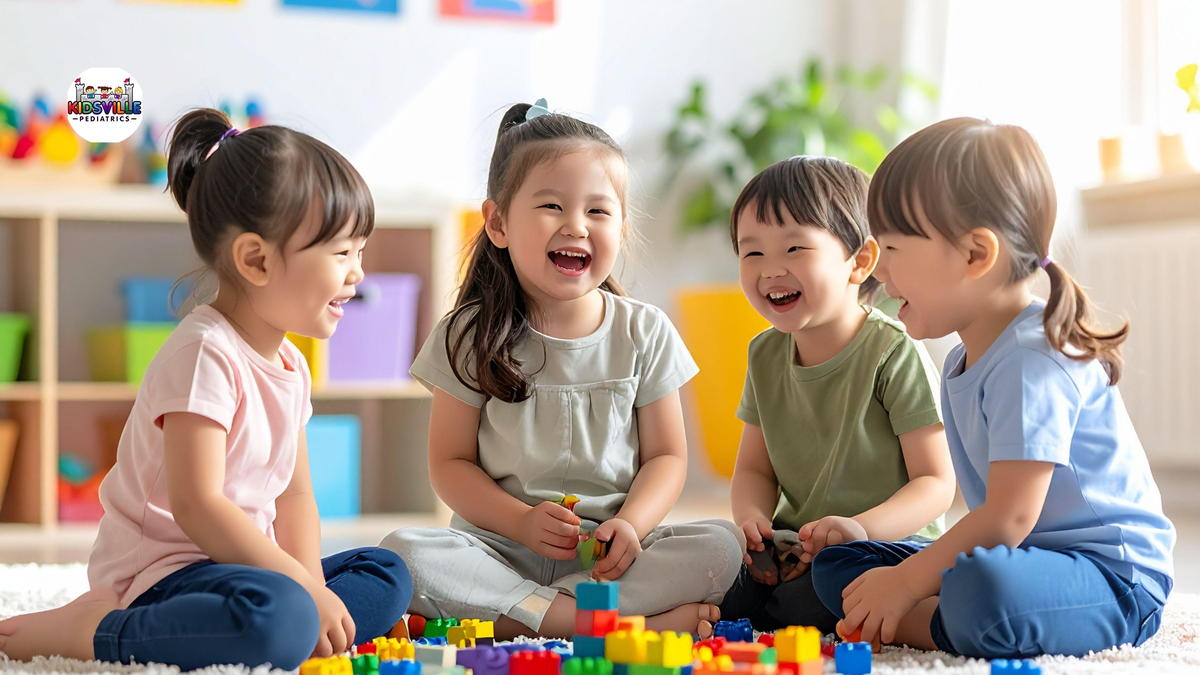
Playtime offers children a natural avenue to express feelings, work through experiences, and build social skills. Through play, children learn emotional regulation and develop a deeper understanding of themselves.
How Unstructured Play Encourages Self-Expression
Unstructured play, where children set the rules and direct activities, fosters creativity and self-expression. Activities such as drawing, building, or imaginative role-play allow children to convey thoughts and emotions they may struggle to articulate verbally.
The Connection Between Play and Emotional Regulation
Play provides opportunities for children to practice patience, handle frustration, and recover from setbacks. Structured or guided activities that require turn-taking, problem-solving, or cooperative interaction reinforce emotional regulation skills in a supportive environment.
Play as a Safe Space to Explore Feelings
Through playtime, children have a secure environment to confront fears, simulate challenging situations, and experiment with emotional responses. Parents observing these interactions can gain insight into their child’s inner world and provide guidance when needed.
Types of Play and Emotional Benefits

Different forms of play offer unique advantages for emotional development. Recognizing these helps parents provide well-rounded experiences for their children.
Imaginative/Fantasy Play: Coping With Fears and Anxiety
Fantasy play allows children to safely explore emotions like fear or uncertainty. By role-playing or creating stories, children confront challenging feelings, practice problem-solving, and gain confidence in managing stress.
Physical Play: Reducing Stress and Improving Mood
Active play, such as running, climbing, or organized sports, releases endorphins and reduces stress. Physical play enhances mood, improves focus, and supports motor skill development—particularly important for children managing conditions like playtime restrictions or health sensitivities.
Social Play: Developing Empathy and Conflict Resolution
Group games, team activities, and role-playing teach children to cooperate, negotiate, and empathize with others. Social play nurtures relationship skills and helps children navigate peer interactions. McKinney pediatrics doctors often highlight guided playdates as a valuable way to support emotional and social growth.
Creative Play: Boosting Self-Esteem and Problem-Solving
Art, music, and construction activities encourage creativity, critical thinking, and perseverance. Completing creative projects fosters a sense of accomplishment and confidence, helping children develop self-esteem and resilience. The best pediatrician in McKinney TX often recommends incorporating creative play into daily routines to support emotional and cognitive growth.
Neuroscience Behind Play and Emotions

Research shows that play profoundly impacts brain development and emotional regulation.
How Play Stimulates Positive Neurotransmitters
Engaging in play triggers the release of dopamine and serotonin, chemicals associated with pleasure and mood stabilization. These natural responses promote happiness and reduce stress, creating a foundation for healthy emotional patterns.
Play and the Development of the Prefrontal Cortex
The prefrontal cortex, responsible for decision-making, impulse control, and planning, develops through interactive and structured play. Activities that challenge attention, strategy, or problem-solving help children strengthen these executive functions.
Stress Relief and Lowering Cortisol Through Active Play
Physical activity in playtime helps lower cortisol, the stress hormone. Outdoor or vigorous play supports emotional balance, reducing anxiety and improving overall well-being. Mckinney pediatricians often encourage parents to include daily physical activity as part of healthy routines.
Play as a Tool for Emotional Resilience
Play equips children with skills to navigate setbacks and develop emotional strength.
Learning to Cope With Frustration, Failure, and Disappointment
Games, puzzles, and cooperative activities allow children to experience minor setbacks safely. These experiences teach children perseverance and help them understand that mistakes are part of learning.
Encouraging Adaptability and Flexible Thinking
Through imaginative and social play, children learn to adjust to changing rules and unexpected scenarios. These experiences cultivate flexibility, problem-solving, and the ability to adapt to new challenges.
Strengthening the Parent-Child Bond Through Interactive Play
Shared play strengthens attachment and emotional security. Parents who actively engage in playtime model empathy, patience, and attentive listening, fostering trust and deeper parent-child relationships. Pediatric healthcare McKinney professionals emphasize interactive play as a cornerstone of nurturing emotional development.
Practical Tips for Parents

Parents can maximize the emotional benefits of play by intentionally incorporating it into daily routines.
Scheduling Regular Playtime in Daily Routines
Consistent playtime ensures children have opportunities to unwind, explore creativity, and engage socially. Even brief daily sessions can make a measurable difference in emotional and behavioral outcomes.
Creating Safe and Stimulating Play Environments
Children thrive in spaces where exploration is safe and encouraged. Age-appropriate toys, art supplies, and physical activity setups provide opportunities for emotional growth and confidence-building.
Balancing Screen Time With Active and Imaginative Play
While technology can offer educational value, it should complement—not replace—hands-on play. Balancing screen time with creative, social, and physical activities helps children develop a broad range of skills. Kidsville Pediatrics McKinney advises structured routines that prioritize active engagement over passive entertainment.
Long-Term Emotional Benefits

Regular, intentional play has lasting effects on children’s emotional health and social competence.
Improved Emotional Intelligence in Adolescence
Children who engage in consistent playtime develop greater self-awareness and empathy, key components of emotional intelligence. These skills improve interpersonal relationships, academic performance, and leadership abilities.
Lower Rates of Anxiety and Depression Later in Life
Early play experiences cultivate resilience, stress management, and positive coping mechanisms. Children who regularly play are less likely to experience chronic anxiety or depression during adolescence and adulthood.
Better Social Skills and Healthy Peer Relationships
Collaborative and imaginative play develops communication, empathy, and problem-solving skills, enabling children to form strong, healthy peer connections. Mckinney pediatrics doctors often observe that children who engage in diverse play experiences navigate friendships and social challenges with confidence and ease.
Prioritizing playtime is essential for nurturing emotional health in children and teens. Through creative, social, and physical activities, children learn to understand their feelings, build resilience, and develop essential life skills. At Kidsville Pediatrics, our team of dedicated McKinney pediatricians encourages families to embrace play as a foundational aspect of comprehensive pediatric care.
