
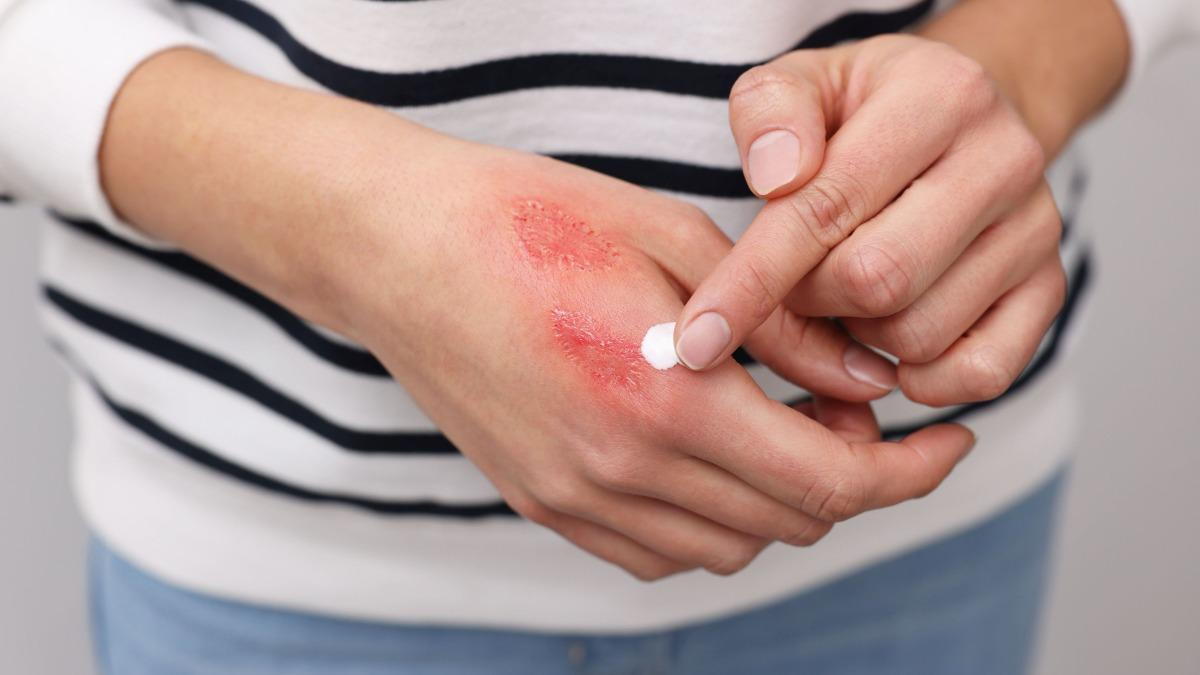
Burns are one of the most common injuries affecting children, ranging from minor discomfort to life-threatening emergencies. Understanding the different types of burns, how to recognize them, and how to provide proper care is essential for every parent.
At Kidsville Pediatrics, our goal is to equip parents with the knowledge to prevent and manage burns effectively while ensuring children receive the best care from a trusted pediatrician.

Common Causes of Burns in Children
Children are naturally curious, which unfortunately puts them at risk for burns. The most common causes include:
Hot liquids: Scalds from hot water, soup, or beverages are frequent in toddlers and younger children. Even a small spill can result in second-degree burns.
Kitchen accidents: Cooking surfaces, ovens, and stovetops pose dangers, especially when children are left unattended near hot objects.
Electrical burns: Curious toddlers may insert fingers or objects into outlets or chew on cords, resulting in electrical injuries that sometimes appear minor externally but can be severe internally.
Sunburns: Overexposure to sunlight without proper protection can cause painful first-degree burns, particularly in fair-skinned children.
Parents should always maintain vigilance, particularly in the kitchen and during outdoor activities. Kidsville Pediatrics Southlake often emphasizes proactive prevention strategies during wellness visits.
Recognizing First, Second, and Third-Degree Burns in Kids
Understanding the severity of burns helps parents decide when to seek immediate medical attention.
First-degree burns: Affect only the outer layer of skin, causing redness, mild swelling, and pain. Sunburn is a common example.
Second-degree burns: Extend into deeper skin layers, often causing blisters, severe pain, and potential fluid loss. Prompt medical evaluation is important.
Third-degree burns: Involve all layers of skin and may affect underlying tissues. These burns usually appear charred, leathery, white and may not be painful because of the nerve damage. Immediate emergency care is critical.
Accurate assessment is crucial. When in doubt, contact a Southlake TX pediatrician or visit a Southlake clinic experienced in pediatric burn care.
Immediate First Aid for Pediatric Burns
Quick and appropriate first aid can significantly reduce complications from burns.
Cooling the burn: Run cool (not cold) water over the affected area for 10–20 minutes. Avoid ice, which can worsen tissue damage.
Wound care: Cover with a clean, non-stick dressing to protect against infection.
Pain relief: Age-appropriate over-the-counter medications can help manage discomfort. Always follow dosing instructions.
Emergency care: Seek immediate medical attention if the burn is large, involves the face, hands, feet, genitals, or is a third-degree burn.
Parents can always consult a pediatrician in Southlake for guidance on whether a burn requires hospital care or can be managed at home.
Long-Term Care and Healing in Pediatric Burns
Healing from burns, especially severe ones, is a gradual process. Long-term care includes:
Monitoring for infection: Redness, pus, or foul odor may indicate complications.
Skin grafts and surgery: Severe burns may require surgical intervention to restore skin integrity.
Rehabilitation: Physical therapy can help maintain mobility and reduce scarring.
Follow-up appointments: Regular check-ins with your Southlake TX pediatrician ensure proper healing and help address any complications early.
Families often benefit from guidance from Southlake doctors who specialize in pediatric burn recovery.

Pain Management in Children with Burns
Pain management is a critical aspect of pediatric burn care. Strategies include:
Medications: Acetaminophen or ibuprofen are commonly used, with dosing based on age and weight.
Topical treatments: Burn-specific creams prescribed by a pediatrician Southlake can reduce pain and prevent infection.
Comfort measures: Distraction, storytelling, or gentle play can help younger children cope with discomfort.
Consistent monitoring and communication with a Southlake TX pediatrician ensure children remain comfortable during recovery.
Preventing Burns at Home and School
Prevention is always better than treatment. Key safety tips include:
Kitchen safety: Keep hot liquids out of reach, use back burners, and supervise cooking activities.
Electrical safety: Use outlet covers and teach children to avoid electrical appliances.
Sun protection: Apply sunscreen and provide protective clothing during outdoor play.
School awareness: Ensure teachers and caregivers know first aid procedures for burns and maintain a safe environment.
At Kidsville Pediatrics, we provide families with practical advice on creating a burn-safe home and school environment, reinforcing the importance of vigilance.
Psychological Impact of Burns on Children
Burn injuries are not only physically painful but can also affect a child’s emotional well-being. Some children may experience:
Trauma and anxiety: Fear of recurrence or medical treatments can linger.
Body image concerns: Scarring may affect self-esteem, particularly in older children.
Coping strategies: Counseling, support groups, and reassurance from parents and caregivers can help children navigate recovery.
Parents are encouraged to discuss both physical and emotional recovery with their pediatrician in Southlake, ensuring a holistic approach to healing.
Burns in children require careful attention, from prevention to long-term care. By understanding the causes, recognizing the severity, and following proper first aid and medical guidance, parents can significantly improve outcomes for their children. Families in Southlake can rely on our expert care, guidance, and support throughout the burn recovery process.
