
For many families, Thanksgiving is a time to enjoy a delicious meal and reconnect with loved ones, but for parents of children with Thanksgiving food allergies, the holiday can bring unique challenges. Large family gatherings, shared kitchens, buffet-style meals, and unfamiliar ingredients can make it difficult to ensure every dish is safe for children with food sensitivities.
Families supported by trusted professionals in any pediatric healthcare McKinney clinic often look for guidance on how to approach these situations confidently, reduce risk, and help their children enjoy the holiday safely. With the right preparation and communication, Thanksgiving can still be a fun and inclusive event for everyone.

Common Thanksgiving Foods That Trigger Allergies
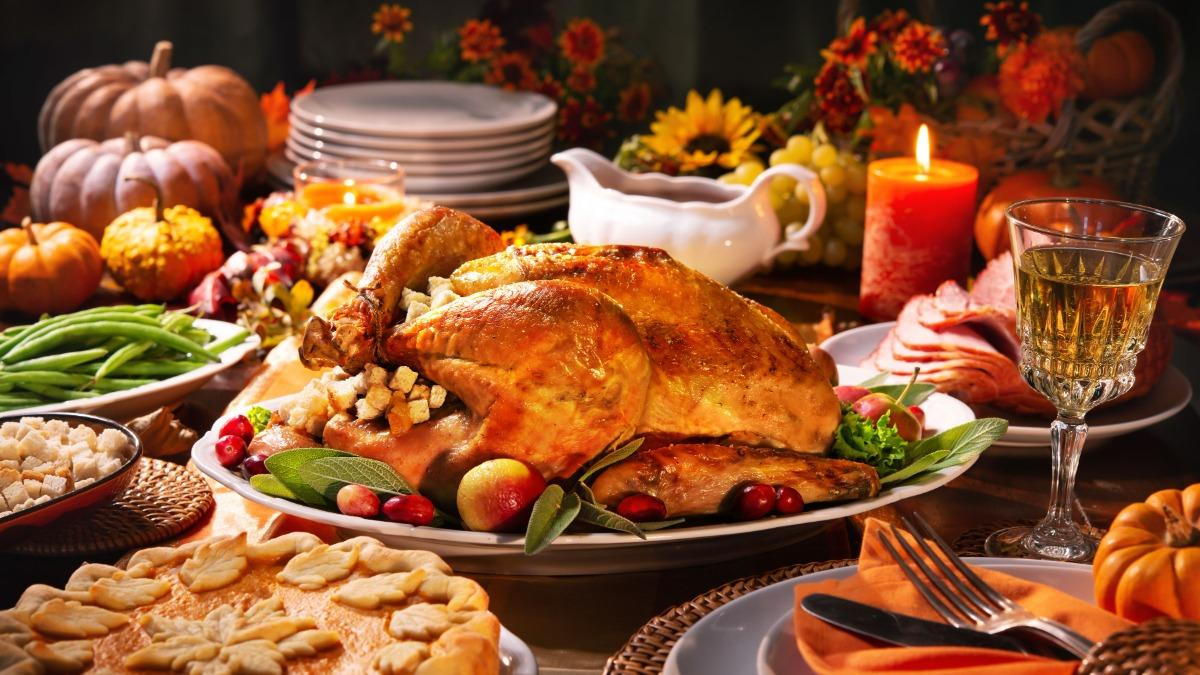
Many traditional Thanksgiving dishes contain some of the top food allergens that affect children. Turkey itself is rarely an allergen, but the preparation can introduce risks when ingredients like butter, dairy-based rubs, seasonings, or shared utensils are involved. Stuffing may include wheat, nuts, eggs, or shellfish depending on regional variations. Sides such as mashed potatoes often contain milk, butter, or cheese. Green bean casseroles may use canned cream soups that include soy or dairy, and pies frequently contain nuts, eggs, and milk.
Families receiving care from McKinney pediatrics experts may already be familiar with the common allergen list, but Thanksgiving expands the number of dishes with hidden or unexpected ingredients. Additionally, potluck-style holidays can make food origins and preparation methods unclear, increasing the need for parents to remain cautious, ask questions, and verify how dishes are made.
How to Talk to Hosts or Family Members About Your Child’s Allergies
One of the most effective ways to prevent issues during holiday gatherings is open communication with hosts. Parents can share a list of their child’s allergens ahead of time and ask about planned dishes to make sure they align with safety needs. Some families choose to bring their own safe meals, while others collaborate with the host to adapt a few recipes. It may help to explain cross-contact risks and why even small traces of allergens can cause reactions.
McKinney pediatrics doctors advocate for children’s needs and reinforce through guidance. When speaking with family members who may not fully understand allergies, providing clear examples and calmly explaining health concerns can build greater understanding and cooperation. The goal is not to cause stress or inconvenience, but to keep children safe and included at the holiday table.

Reading Ingredient Labels and Identifying Hidden Allergens in Thanksgiving Food Allergies
Parents must be vigilant about reviewing ingredient labels before offering dishes to their child. During Thanksgiving, recipes tend to rely on combination foods like soups, broths, gravies, sauces, and premade baking mixes that can contain allergens not immediately obvious. Adults managing Thanksgiving food allergies should watch for hidden dairy in butter-based flavorings, soy in canned soup, eggs in breading or dessert crusts, and nuts in toppings or pie fillings.
Terms like “natural flavorings” or “spices” can also mask allergen sources. If labels are unclear, contacting the manufacturer or avoiding the product entirely may be safest. Families can also ask the cook to confirm ingredients and preparation methods if the product was opened before arrival. Thanksgiving is a time of many shared dishes, so increasing vigilance helps reduce surprises.
Preparing Safe Alternative Dishes for Allergic Children
A proactive way to help children enjoy their Thanksgiving meal is to prepare substitutes that mirror the traditional foods without the allergens. This may include mashed potatoes made with plant-based ingredients, nut-free breads, dairy-free casseroles, or pies created with allergy-safe crusts and fillings. Some parents prepare entire plates at home and bring them to the gathering, while others contribute an allergy-friendly dish for everyone to share.
Pediatrician McKinney TX experts provide guidance on age-appropriate portion sizes, nutrition support, and ways to help young children feel included. Eating together with the family at the same table helps maintain a sense of normalcy and reduces feelings of restriction or exclusion. When substitutes are visually similar to the standard versions, children feel like they are celebrating right alongside everyone else.

Strategies to Prevent Cross-Contamination in Busy Kitchens
Even when an allergen-free meal is prepared, shared cooking spaces present risks. During Thanksgiving food allergies planning, families can request dedicated utensils, separate cookware, and isolated preparation spaces. Color-coded tools, disposable plates, and pre-portioned containers can help keep ingredients separate. In larger gatherings, it may be best to set aside a safe serving area while the rest of the meal is plated elsewhere. When buffet tables are used, parents may serve their allergic child first before other utensils begin circulating.
For hosts unfamiliar with preventing cross-contact, offering simple instructions can make a big difference. These precautions help lower accidental exposures without placing a heavy burden on the host.
Recognizing Early Signs of an Allergic Reaction During the Meal
Even with strong preparation, parents should remain attentive to how their child is feeling while eating. Early symptoms may include tingling, swelling of the lips or mouth, itchy skin, stomach discomfort, coughing, or behavioral changes such as sudden quietness or anxiety. Children often rely on adults to recognize these signs quickly.
The best McKinney clinic can monitor reactions and know when to intervene. If early symptoms appear, parents should stop eating immediately and assess the situation. Having a plan in place ensures that adults do not panic and children receive reassurance and support.
What to Pack in an Allergy Emergency Kit for Holiday Gatherings
An emergency kit is a vital tool for parents, especially during holiday events away from home. A typical kit may include an epinephrine auto-injector, antihistamines, a copy of the child’s allergy action plan, wet wipes for cleaning surfaces, safe snacks, and physician contact information. Families managing Thanksgiving food allergies benefit from reviewing the plan before the event to make sure medications are not expired and instructions are up to date.
Storing the kit in an easily accessible location ensures that any adult present can respond quickly if needed. For older children and teens, reviewing how and when to ask for help empowers them to take responsibility for their own safety as they mature.
In conclusion, families navigating Thanksgiving food allergies can enjoy the holiday with preparation, awareness, and confidence. From reading labels to communicating clearly with hosts, every thoughtful step supports the safety and comfort of children.
Remember these strategies and stay attentive throughout the celebration. Children with Thanksgiving food allergies can look forward to a joyful event filled with connection, gratitude, and support if, hand-in-hand with a trusted pediatrician, you are on top of their healthcare and safety.
