
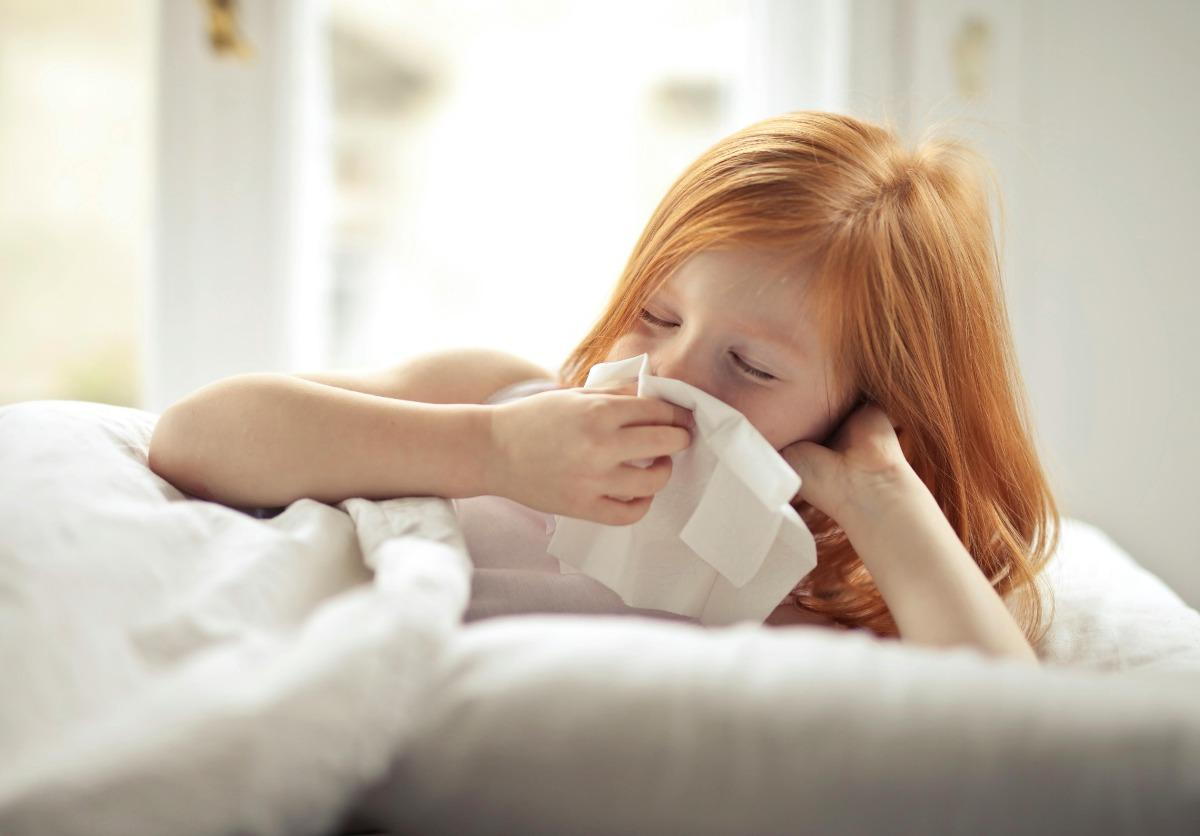
Parents know that sniffles, coughs, and runny noses are part of childhood. Most common colds children get are mild. Still, they can make kids uncomfortable and worry parents. Knowing the signs, simple ways to care for your child at home, and when to contact a doctor can make cold season much easier to handle.
Mansfield pediatrics experts wish for parents to feel informed and confident. This guide shares easy tips, reassurance, and advice on when to seek medical help.
What Is the Common Cold in Children?
The common cold children get is a viral infection. It affects the nose, throat, and sometimes the lungs. Rhinoviruses are the most common cause. Other viruses can also produce similar symptoms.
Kids get colds often because their immune systems are still growing. They also spend time close to other children at school or daycare. Most symptoms improve within 7–10 days. Mild congestion or a lingering cough may last a little longer.
Colds usually aren’t dangerous, but they can disrupt sleep, meals, and daily routines. That’s why it’s helpful for parents to notice early signs and take simple steps to make their child more comfortable.
Recognizing the Symptoms
Symptoms of a common cold children experience can range from mild to moderate. Parents should watch for:
Runny or stuffy nose: Starts clear and watery, may thicken later
Sneezing and mild cough: Often worse in the morning or at night
Sore throat: Usually mild and improves without antibiotics
Low-grade fever: Typically under 102°F
Fatigue and irritability: Children may be fussier or sleep more than usual
Loss of appetite: Temporary and usually improves as the cold goes away
It helps to keep in mind that colds usually feel mild. The flu, on the other hand, can make your child very sick, with high fever, body aches, or trouble breathing.
Parents should also know that children can be contagious even before symptoms appear. Teaching kids to cover their mouth when coughing or sneezing helps reduce the spread.

Common Misconceptions About Colds
Parents sometimes worry unnecessarily or try remedies that aren’t helpful. Here are a few myths:
“Colds need antibiotics” – Most colds are viral. Antibiotics don’t help.
“Cold weather can lead to colds” – Viruses cause colds, not the temperature.
“Sugar makes colds worse” – Moderation is fine; sugar doesn’t worsen symptoms.
Understanding these myths can prevent stress and unnecessary treatments.
Home Care Tips for Comfort
Most common cold children get better at home. Parents can help in these ways:
1. Keep Them Hydrated
Offer water, diluted juice, or warm broths. Fluids thin mucus, soothe the throat, and prevent dehydration. For older children, warm lemon water or herbal tea can be comforting.
2. Encourage Rest
Rest allows the immune system to work efficiently. Quiet activities like reading, coloring, or puzzles keep children occupied without tiring them. Extra naps are perfectly fine for younger kids.
3. Use Saline Drops or Sprays
A few drops of saline in each nostril can clear congestion. For babies and toddlers, a bulb syringe or nasal aspirator gently removes mucus. This is especially helpful before sleep or meals.
4. Maintain Comfortable Air
A cool-mist humidifier eases congestion and prevents dry indoor air from irritating the nose or throat. Clean it regularly to avoid mold growth.
5. Monitor Fever and Comfort
Low-grade fevers are normal. Use age-appropriate acetaminophen or ibuprofen only if recommended by a healthcare professional. Tracking symptoms can also help you notice if a cold is worsening.
6. Offer Gentle Nutrition
Encourage favorite foods, soups, or smoothies. Even small meals help maintain energy. Warm liquids such as chicken broth can help in soothing a sore throat. Popsicles or fruit purees can also be comforting and provide hydration.
7. Comfort and Reassure
Cuddles, soft blankets, or a favorite toy help children feel safe. Sometimes, just sitting quietly with a parent calms a child who feels miserable. Explaining what’s happening in a simple way helps older children feel secure.
8. Keep a Symptom Journal
Some parents find it useful to jot down symptoms, sleep, and appetite. This can help doctors evaluate if a child’s cold is normal or if further care is needed.
When to Contact a Doctor
Most common cold children improve at home. Contact a doctor if any of these occur:
High fever above 102°F lasting more than 3 days
Difficulty breathing, wheezing, or rapid breathing
Persistent vomiting or refusal to drink fluids
Ear pain or drainage
Symptoms that worsen after a week
Severe lethargy or unresponsiveness
Signs of dehydration, like dry mouth, few wet diapers, or no tears
Seeing a Mansfield doctor helps make sure your child gets the right care and avoids complications. If your child gets sick often or it affects sleep, mood, or school, parents may also want to search for a “pediatrician near me”.
Preventing the Spread of Colds
You can’t prevent every cold, but simple steps help reduce infections:
Hand hygiene: Teach children to wash hands often, especially after sneezing or playing outside
Avoid sharing utensils or cups: Viruses spread through saliva
Clean surfaces: Wipe toys, doorknobs, and devices regularly
Encourage healthy habits: Good nutrition, enough sleep, and activity boost immunity
Keep sick children home: Prevents spreading colds to others
Even small habits, like sneezing into elbows or wiping surfaces daily, make a meaningful difference.

Supporting Your Child Emotionally
Even mild colds can make children irritable or anxious. Parents can help by:
Extra attention and cuddles: Physical comfort helps kids feel safe
Quiet, engaging activities: Reading, drawing, or simple games allow rest while staying entertained
Explain what’s happening: Simple, age-appropriate explanations help older kids understand their symptoms
Offer reassurance: Let your child know that feeling unwell is temporary and that you’re there to help
Emotional comfort is just as important as physical care. Children who feel understood often recover more quickly and stress less.
The common cold children get is usually mild and doesn’t last long. At home, giving your child fluids, rest, comfort, gentle meals, and emotional support can help them feel better. Knowing when to call a Mansfield pediatrician makes sure they get care if needed. Following simple habits, offering support, and watching for warning signs can help parents get through the cold season with confidence and calm.
