
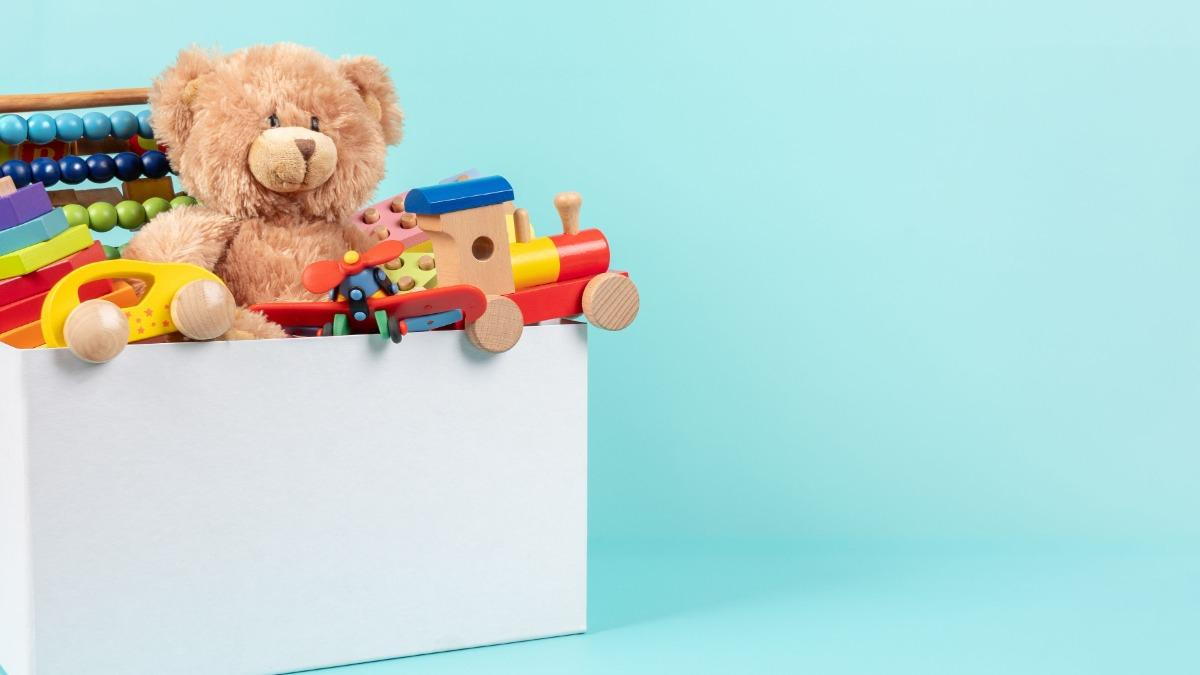
Selecting toys for children is about more than fun and entertainment. Toys influence development, learning, and safety at every age, from toddlers to teenagers. During birthdays, holidays, and special milestones, parents are often faced with endless options, many of which may not meet appropriate safety standards. Understanding how to choose safe toys helps reduce the risk of injury while ensuring children can explore, learn, and grow with confidence.
With informed decision-making and guidance from pediatric healthcare McKinney experts, families can create a safer play environment at home.

Age-Appropriate Toys: Why Labels and Guidelines Matter
Toy labels exist for an important reason. Age recommendations are based on developmental milestones, motor skills, and cognitive abilities typical for each stage of childhood. A toy designed for older children may contain small parts, complex mechanisms, or sharp edges that pose risks to younger kids. Ignoring age guidelines is one of the most common reasons toy-related injuries occur.
For infants and toddlers, toys should support sensory exploration without detachable pieces. Preschoolers benefit from toys that encourage imagination and coordination, while school-aged children can safely engage with more advanced construction sets or games. Teenagers may enjoy electronics or sports equipment that require higher levels of responsibility. Choosing toys that align with a child’s age helps parents prioritize safe toys that match both interest and ability, a principle often reinforced in McKinney pediatrics practices.
Common Toy Hazards Parents Should Watch For
Even toys that appear harmless can present hidden dangers. Sharp edges, exposed wires, unstable structures, and easily breakable parts are frequent causes of injury. Ride-on toys, scooters, and sports equipment can also pose risks if they lack proper safety features or are used incorrectly.
Parents should regularly inspect toys for wear and tear. Cracked plastic, loose screws, or fraying cords can quickly turn a favorite toy into a hazard. Noise-producing toys deserve special attention, as excessively loud sounds can damage hearing over time. Awareness of these risks allows families to remove unsafe items promptly and replace them with safer alternatives recommended by McKinney pediatrics doctors.

How to Spot Choking Risks in Toys and Gifts
Choking hazards are a leading concern, particularly for children under four years old. Any toy or component small enough to fit inside a toilet paper roll is considered a potential choking risk. This includes detachable eyes on plush toys, small wheels, marbles, beads, and miniature accessories.
Parents should also consider gifts that include packaging elements such as twist ties, plastic wrap, or foam inserts, which can be just as dangerous as the toy itself. Older siblings’ toys can also migrate into younger children’s play areas, increasing risk. Creating separate storage spaces and supervising playtime are effective ways to reinforce safe toys practices in households with children of varying ages.
Battery Safety and the Dangers of Button Cells
Button batteries pose a serious and often underestimated danger. These small, coin-shaped batteries are commonly found in toys, remote controls, watches, and greeting cards. When swallowed, they can cause severe internal burns within hours, leading to life-threatening injuries.
Parents should only purchase toys with battery compartments secured by screws and routinely check that these compartments remain intact. Spare batteries should be stored out of reach, and used batteries should be disposed of immediately. Education around battery safety is frequently reinforced by a pediatrician McKinney TX professional, who stresses that prevention and awareness are essential to avoiding emergencies.

Choosing Non-Toxic and Child-Safe Materials
Children often explore toys with their hands and mouths, making material safety critical. Non-toxic paints, lead-free coatings, and BPA-free plastics are essential considerations, especially for younger children. Parents should look for certifications or safety standards that indicate compliance with regulated manufacturing practices.
Natural materials such as untreated wood or organic fabrics can be safer options when properly finished. Parents should be cautious of toys with strong chemical odors, which may signal harmful substances. Selecting safe toys made from child-safe materials supports long-term health and reduces unnecessary exposure to toxins.
Safe Toy Storage and Organization at Home
Safety does not end once a toy enters the home. Proper storage plays a vital role in preventing injuries. Heavy toys should be kept on lower shelves to avoid tipping hazards, while small toys should be stored in clearly labeled containers away from young children.
Toy chests should include safety hinges to prevent finger injuries or accidental entrapment. Regularly rotating toys helps reduce clutter and allows parents to reassess safety conditions. Organized play spaces make supervision easier and reinforce habits that support safe toys use, an approach commonly encouraged during visits to a McKinney clinic.
What Pediatricians Recommend When Selecting Holiday Gifts
Pediatricians consistently encourage parents to balance excitement with safety when selecting gifts. They recommend prioritizing toys that promote physical activity, creativity, and problem-solving while meeting established safety standards. Reading product reviews, checking recall lists, and purchasing from reputable retailers are all proactive steps parents can take.
Another key recommendation is to consider how a toy will be used at home. Space, supervision, and a child’s temperament all influence whether a toy remains safe over time. Pediatricians also remind families that simple toys often provide the most lasting value. Thoughtful choices help ensure that safe toys support healthy development long after the holiday season ends.
Choosing toys is an opportunity to support a child’s growth while protecting their well-being. By paying attention to age guidelines, recognizing hazards, securing batteries, selecting non-toxic materials, and maintaining organized play areas, parents can significantly reduce preventable injuries. With guidance from trusted pediatric professionals and a consistent focus on safe toys, families can feel confident that playtime remains joyful, enriching, and secure for children of all ages.
