
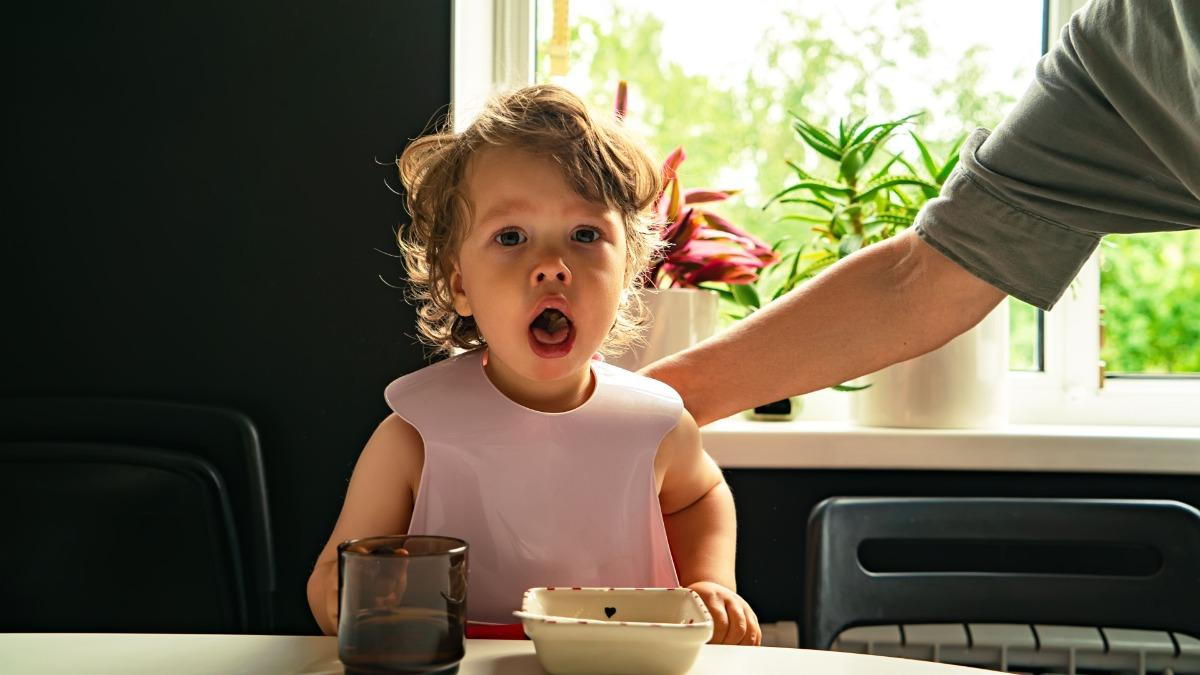
Choking is a serious safety concern for children of all ages, from infants taking their first bites to teenagers eating on the go. A choking hazard can appear during everyday meals and snacks, often when it is least expected. Understanding which foods are safest, how to prepare them properly, and how to create good mealtime habits can significantly reduce risks at home, school, and social settings. With the right knowledge and consistent practices, parents can help ensure that eating remains a healthy and enjoyable part of childhood rather than a source of danger.

Age-Appropriate Foods: What Babies, Toddlers, and Young Children Can Safely Eat
Choosing foods based on a child’s developmental stage is one of the most effective ways to reduce choking risks. Babies who are just starting solids need soft, smooth textures such as purées or well-mashed foods. As they grow and develop chewing skills, foods can gradually become thicker and more textured, but they should still be easy to mash with the tongue and gums.
Toddlers often want to eat what older family members are having, but their chewing and swallowing skills are still developing. Soft fruits, well-cooked vegetables, shredded meats, and small pasta shapes are generally safer choices. Preschool and school-aged children can manage a wider variety of foods, but parents should still be mindful of size, shape, and texture. A pediatrician Mansfield families trust can help guide parents on when it is appropriate to introduce more challenging foods based on a child’s readiness rather than age alone.
Choking Hazard: Foods to Avoid or Modify
Certain foods are well known for causing choking incidents and should be handled with extra care. Whole grapes, nuts, hotdogs, popcorn, and hard candies are common examples. These foods can easily block a child’s airway because of their size, shape, or texture.
Grapes should always be cut lengthwise into quarters for young children. Hotdogs should be sliced lengthwise and then into small pieces rather than round coins. Nuts should be avoided entirely for younger children or offered only in ground or butter form. Popcorn, while popular, should not be given to young children because of its irregular shape and hard kernels.
Even older children should be reminded to eat slowly and mindfully. A doctor in Mansfield may often see preventable choking cases related to these foods, emphasizing the importance of careful preparation and supervision.

Proper Food Preparation Techniques: Cutting, Cooking, and Texture Changes
How food is prepared can make a significant difference in safety. Cutting foods into small, manageable pieces helps reduce the chance that a child will try to swallow something too large. Long, thin cuts are usually safer than round slices, which can block the airway more easily.
Cooking methods also matter. Steaming, boiling, or baking foods until they are soft makes them easier to chew and swallow. Raw vegetables, for example, can be lightly cooked to soften their texture for younger children. Meats should be tender and shredded or finely chopped rather than served in large chunks. These preparation techniques are simple but effective ways to reduce a choking hazard during everyday meals.
Safe Seating and Posture During Meals and Snacks
Where and how a child eats is just as important as what they eat. Children should always be seated upright during meals and snacks, with their feet supported and their backs straight. Eating while lying down, running, or riding in a car increases the risk of choking.
High chairs, booster seats, or regular chairs with proper support help keep children in a stable position. Meals should take place at a table rather than on the couch or floor. Families visiting Mansfield pediatrics clinics often receive guidance on creating safe mealtime environments, especially for younger children who may be more active or distracted while eating.

Teaching Children How to Chew and Eat Slowly
Teaching children good eating habits early can have long-lasting safety benefits. Encourage children to take small bites and chew their food thoroughly before swallowing. Remind them to finish chewing before talking or laughing, which can increase the risk of choking.
Parents can model good behavior by eating slowly themselves and making meals a calm, unrushed experience. As children grow older, these habits become second nature and help protect them even when parents are not present. According to Mansfield pediatrics TX providers, consistent guidance at home plays a key role in preventing avoidable choking incidents.
Supervision Rules: When to Watch Closely and Why It Matters
Active supervision during meals is essential, especially for infants, toddlers, and younger children. Adults should always be nearby and attentive while children are eating, ready to respond if a problem arises. This does not mean hovering anxiously, but rather being present and observant.
As children grow, parents may feel comfortable allowing more independence, but supervision is still important during meals that include higher-risk foods or when children are eating in unfamiliar settings. School lunches, parties, and family gatherings can introduce distractions that increase risk. Pediatricians Mansfield TX experts often remind parents that supervision remains a critical safety measure well into the school years.

Mealtime Habits That Reduce Choking Hazard
Establishing consistent mealtime rules can greatly reduce the chance of choking. Children should be taught to sit still while eating and avoid running, playing, or lying down with food in their mouths. Screen-free meals help children focus on eating rather than becoming distracted.
Snacks should be eaten at designated times and places rather than while walking or playing. Encouraging calm, structured meals not only supports digestion and nutrition but also lowers the risk of accidents. Families connected with Kidsville Pediatrics Mansfield TX are often encouraged to view mealtime routines as an essential part of overall child safety and development.
Creating a safe eating environment takes awareness, preparation, and consistency, but the benefits are well worth the effort. By choosing age-appropriate foods, preparing them carefully, supervising meals, and teaching good habits, parents can significantly reduce the risk of a choking hazard. These practices help protect children as they grow, allowing them to enjoy meals safely and confidently at every stage of development.
