
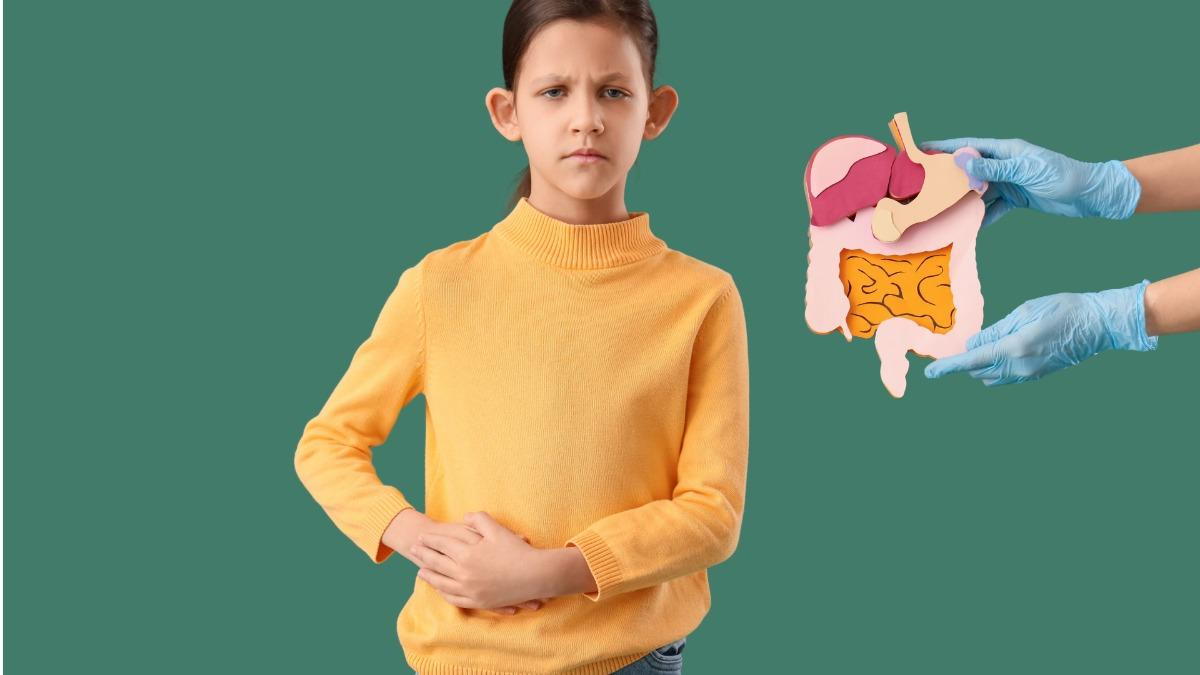
Gastrointestinal infections are a common concern for parents of infants, toddlers, school-age children, and teenagers. Caused by bacteria such as salmonella and E. coli, these infections can lead to uncomfortable symptoms and, in some cases, serious complications if not addressed promptly.
Children are particularly vulnerable because their immune systems are still developing and they may not always practice proper hygiene. Understanding how these infections spread, what symptoms to watch for, and how to prevent them empowers parents to better protect their children’s health.

Common sources of salmonella and E. coli infections in children
Salmonella and E. coli are bacteria commonly linked to contaminated food and water. Undercooked poultry, raw or lightly cooked eggs, unpasteurized milk or juice, and contaminated fresh produce are frequent sources. Children may also be exposed through contact with animals, especially reptiles, amphibians, backyard poultry, or petting zoos where bacteria can be present on surfaces and hands.
Cross-contamination in the kitchen is another major contributor. Using the same cutting board for raw meat and fresh fruits without proper cleaning can easily spread bacteria. Families receiving care at Kidsville Pediatrics are often surprised to learn that even seemingly healthy foods can become unsafe if not handled properly. Teaching children to wash their hands after handling food, animals, or playing outdoors significantly reduces risk.
Signs and symptoms of gastrointestinal infections parents should watch for
Symptoms can vary depending on the bacteria involved and the child’s age. Common signs include diarrhea, stomach cramps, nausea, vomiting, fever, and fatigue. In some cases, diarrhea may be bloody or accompanied by severe abdominal pain, which should never be ignored.
Younger children may not be able to clearly express how they feel, so parents should watch for changes in behavior such as irritability, poor appetite, or unusual sleepiness. Families visiting a Southlake clinic are often advised that symptoms can appear anywhere from a few hours to several days after exposure. Early recognition allows parents to take action before symptoms worsen.
When to seek medical care for diarrhea, vomiting, or dehydration
While mild cases may resolve on their own, certain situations require prompt medical attention. Parents should seek care if a child has persistent vomiting, diarrhea lasting more than a few days, high fever, bloody stools, or signs of dehydration such as dry mouth, reduced urination, sunken eyes, or dizziness.
Infants, toddlers, and children with underlying health conditions are at higher risk for complications. Consulting experienced Southlake doctors ensures that symptoms are properly evaluated and that parents receive guidance on hydration, nutrition, and next steps. Early medical care can prevent hospitalization and more serious outcomes.
Safe food handling and preparation tips to prevent foodborne illness
Prevention starts in the kitchen. Always wash hands thoroughly with soap and water before and after preparing food. Raw meats should be cooked to safe internal temperatures, and leftovers should be refrigerated promptly. Avoid unpasteurized dairy products and juices, especially for young children.
Fruits and vegetables should be washed under running water before eating, even if they will be peeled. Families often receive food safety counseling from a Southlake TX pediatrician, emphasizing that children should not consume raw cookie dough, undercooked eggs, or improperly stored foods. Teaching older children and teens basic food safety habits also helps reduce household risk.
How pediatricians diagnose and manage gastrointestinal infections in kids
Diagnosis usually begins with a thorough medical history and physical examination. Pediatricians may ask about recent foods eaten, travel history, exposure to animals, or known outbreaks. In some cases, stool tests are ordered to identify the specific bacteria causing the infection.
Treatment focuses on supportive care, including hydration and electrolyte replacement. Antibiotics are not always necessary and may be avoided unless clearly indicated. A Southlake TX Pediatrician will carefully determine the safest approach based on the child’s age, symptoms, and overall health. Parents are often advised on diet adjustments and monitoring symptoms at home.
During follow-up visits, a pediatrician Southlake expert may assess recovery and ensure that the child is regaining strength and hydration. Clear instructions are given on when a child can safely return to school or activities, helping families avoid reinfection or spread to others.
Preventive education is a key part of care. A trusted pediatrician in Southlake helps parents understand long-term strategies for reducing exposure, improving hygiene habits, and maintaining a healthy immune system through proper nutrition and routine wellness visits.
In clinics such as Kidsville Pediatrics Southlake, families benefit from continuity of care and guidance tailored to each child’s developmental stage. From toddlers exploring their environment to teens preparing their own meals, pediatricians play a vital role in keeping children safe and informed.
In conclusion, gastrointestinal infections caused by salmonella and E. coli are common but largely preventable with proper awareness and food safety practices. By recognizing symptoms early, knowing when to seek medical care, and following evidence-based prevention strategies, parents can significantly reduce risks and ensure their children stay healthy, active, and thriving.
