
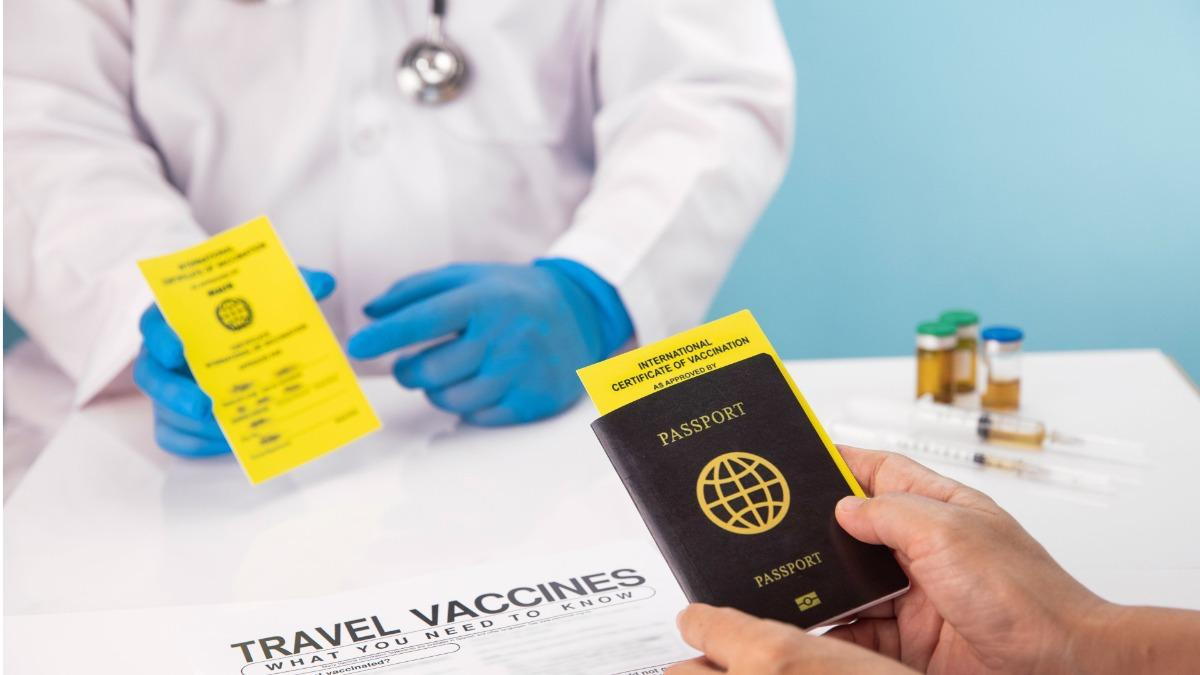
Family travel creates lifelong memories, but when traveling internationally with infants, children, or teenagers, health preparation becomes just as important as booking flights and accommodations. One of the most critical steps parents should take before traveling abroad is understanding travel vaccines and how they protect children from illnesses not commonly encountered at home.
Different countries expose families to different health risks, and children’s immune systems, while resilient, still need proper protection. Careful planning ensures your child can explore the world safely, comfortably, and with confidence.

Why travel vaccines matter for children
Children are more vulnerable to infectious diseases because their immune systems are still developing. When families travel internationally, kids may be exposed to viruses or bacteria that are rare or nonexistent in their home country.
Travel vaccines help prevent illnesses that can be more severe in children, such as hepatitis, typhoid fever, or yellow fever. These infections can spread through contaminated food, water, insect bites, or close contact with others, especially in crowded tourist areas.
Vaccination not only protects your child but also helps prevent the spread of disease to other travelers and communities back home. A healthy trip means fewer medical emergencies, less stress for parents, and a safer experience overall. Preventive care before travel is always easier and more effective than treatment during or after a trip.
Common travel vaccines recommended for kids
Several vaccines are commonly recommended for children traveling abroad, depending on destination and length of stay. These may include hepatitis A, hepatitis B, typhoid, yellow fever, meningococcal disease, Japanese encephalitis, and rabies. Some vaccines are required by certain countries for entry, while others are strongly advised due to regional health risks.
Parents visiting Kidsville Pediatrics often ask whether all children need the same travel immunizations. The answer depends on factors such as age, prior vaccination history, and specific travel plans. Some vaccines are administered as a single dose, while others require multiple doses over time. Understanding which vaccines are necessary helps parents make informed decisions and ensures children are fully protected before departure.

Age-based vaccine guidelines for international travel
Age plays a significant role in determining which vaccines are appropriate for a child. Infants, toddlers, school-aged children, and teenagers all have different immunization needs and safety considerations. Some vaccines are approved for very young children, while others are recommended only for older kids and adolescents.
A Southlake TX pediatrician evaluates your child’s age, medical history, and development to determine which vaccines are safe and effective. Teenagers may need boosters or additional vaccines based on increased exposure risks, especially if they are participating in school trips, volunteer programs, or extended stays abroad. Age-based planning ensures protection without unnecessary or premature vaccination.
Destination-specific vaccine requirements and risks
Every destination presents unique health risks. Travel to tropical regions may increase exposure to mosquito-borne diseases, while certain developing countries may have higher rates of food- and water-related illnesses. Some countries require proof of specific vaccinations, such as yellow fever, before allowing entry.
Parents consulting Southlake doctors are often surprised to learn how much location influences vaccine recommendations. Urban travel, rural stays, visiting friends and relatives, and adventure travel all carry different risk levels. Understanding destination-specific requirements allows families to comply with international regulations while prioritizing their child’s health and safety.

When to schedule travel vaccines before your trip
Timing is essential when planning vaccinations. Some travel vaccines require multiple doses spaced weeks apart, while others need time to become fully effective after administration. Ideally, families should schedule a pre-travel health visit at least six to eight weeks before departure.
A pediatrician Southlake expert can help create a personalized vaccine schedule based on travel dates and destination risks. Last-minute trips may still allow for partial protection, but early planning ensures the best immune response and reduces the risk of vaccine-related travel delays. Proper scheduling also gives parents time to monitor for mild side effects before leaving.
Travel vaccines vs routine childhood immunizations
Routine childhood vaccines protect against diseases commonly found in everyday life, such as measles, polio, and whooping cough. Travel vaccines, on the other hand, are designed to protect against region-specific illnesses that children are unlikely to encounter at home.
A pediatrician in Southlake ensures that routine immunizations are up to date before recommending additional travel-related vaccines. In some cases, travel may require early booster doses or accelerated schedules. Understanding the difference between routine and travel immunizations helps parents see why both are important and how they work together to provide comprehensive protection.
Tips for keeping kids safe and healthy while traveling abroad
Vaccines are just one part of keeping children healthy during international travel. Parents should also focus on food and water safety, frequent handwashing, insect bite prevention, and sun protection. Packing a child-friendly medical kit and knowing where to find medical care abroad can provide peace of mind.
Families visiting the Southlake clinic often receive guidance on managing jet lag, preventing dehydration, and handling minor illnesses while traveling. Teaching kids good hygiene habits and encouraging open communication about how they feel during the trip can help parents address concerns early. With the right preparation, international travel can be both safe and enriching for children of all ages.
Planning ahead and working with a Southlake TX pediatrician ensures your family is well prepared for international adventures. By prioritizing travel vaccines, parents can protect their children’s health, reduce travel-related risks, and focus on creating meaningful experiences together. Thoughtful preparation allows families to explore the world with confidence, knowing their children are protected every step of the journey.
