
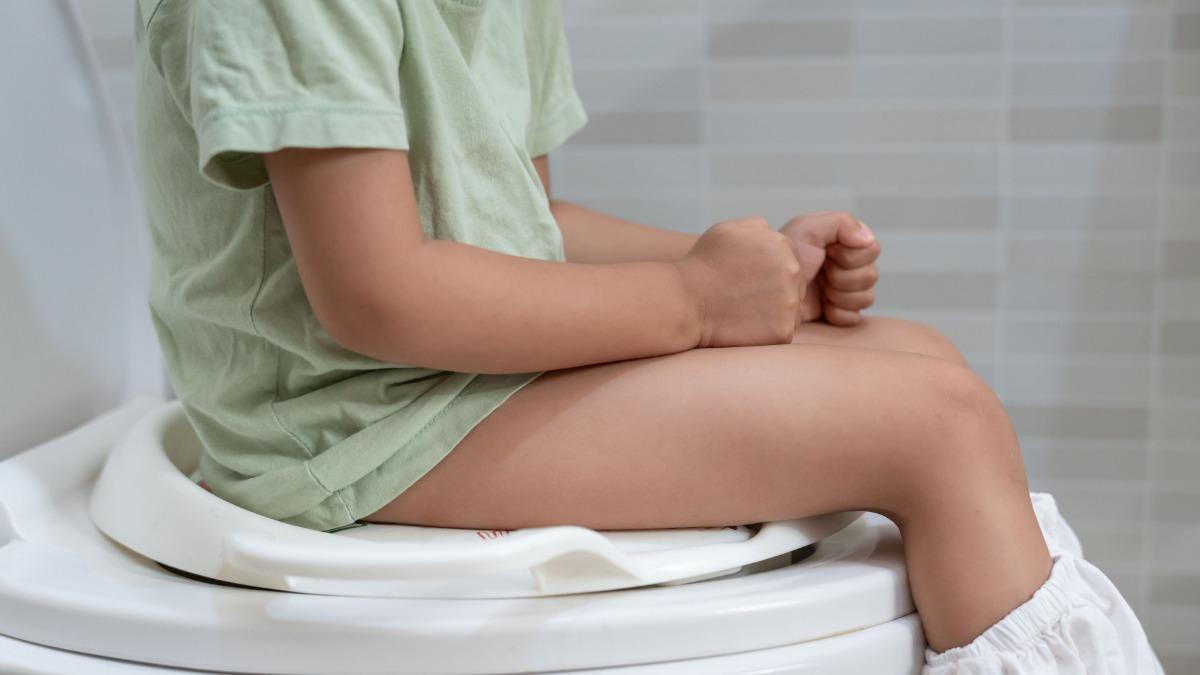
As December 29 marks the close of Constipation Awareness Month, this article serves as an important reminder for parents to stay mindful of their child’s digestive health all year long. From toddlers who resist bathroom time to teens who quietly struggle with irregular habits, constipation affects many children at different stages of growth. While it’s often brushed aside as a temporary issue, ongoing discomfort can impact a child’s mood, confidence, and daily routine.
The encouraging part is that relief often starts at home. With the right mix of nutrition, hydration, movement, and routine, parents can support healthier digestion and help their children develop habits that keep them comfortable from early childhood through the teen years.

The Role of Fiber in Keeping Bowel Movements Regular
Fiber plays a central role in digestive health by adding bulk to stool and helping it move smoothly through the intestines. Children who do not consume enough fiber are more likely to experience hard, dry stools that are difficult or painful to pass. There are two main types of fiber: soluble fiber, which absorbs water and softens stool, and insoluble fiber, which helps move waste through the digestive tract.
Foods rich in fiber include fruits like apples, pears, and berries, vegetables such as broccoli and carrots, whole grains, beans, and legumes. Introducing fiber gradually is important, especially for younger children, to avoid gas or bloating. Pairing fiber-rich foods with adequate fluids ensures the fiber can do its job effectively. Parents working with a pediatrician Mansfield expert often find that small, consistent dietary changes make a noticeable difference in bowel regularity over time.
Hydration Habits That Help Prevent Constipation
Water is essential for healthy digestion. When a child is not drinking enough fluids, the colon absorbs more water from stool, making it harder and more difficult to pass. This can contribute to ongoing digestive discomfort and irregular bowel habits.
Encouraging children to drink water throughout the day is crucial. Toddlers and young children may need gentle reminders, while school-aged kids and teens benefit from carrying a water bottle to school or activities. Limiting sugary drinks and excessive milk intake can also help, as these may reduce overall water consumption. A doctor in Mansfield may recommend increasing fluids as one of the first steps in managing digestive concerns, particularly during hot weather or periods of increased physical activity.
Establishing a Consistent Bathroom Routine for Children
A predictable bathroom routine helps train the body to recognize when it is time to have a bowel movement. Children often ignore the urge to go, especially when they are busy playing, at school, or feeling uncomfortable using public restrooms. Over time, this habit can contribute to stool buildup and discomfort.
Parents can encourage regular bathroom time by having children sit on the toilet for a few minutes after meals, when the body’s natural digestive reflex is strongest. Creating a calm, pressure-free environment is important. Using a footstool to support proper posture can also help younger children empty their bowels more easily. Families supported by Mansfield pediatrics professionals often learn that consistency and patience are just as important as diet when addressing digestive habits.
Foods That Can Worsen Constipation (and What to Limit)
While some foods promote healthy digestion, others can slow things down. Diets high in processed foods, refined grains, and added sugars may contribute to harder stools and less frequent bowel movements. Excessive intake of cheese, white bread, pastries, and fast food can displace healthier, fiber-rich options.
This does not mean children must avoid these foods entirely, but moderation is key. Parents can balance meals by pairing less fiber-rich foods with fruits, vegetables, or whole grains. Limiting sugary snacks and encouraging home-cooked meals supports overall gut health. Mansfield pediatrics TX professionals often emphasize balanced nutrition as part of long-term digestive wellness.
Age-Appropriate Dietary Tips for Toddlers, Kids, and Teens
Children’s nutritional needs change as they grow, and dietary strategies should evolve with age. Toddlers benefit from soft fruits, vegetables, and whole grains cut into manageable portions. Introducing a variety of textures early helps establish healthy eating patterns and reduces picky eating.
School-aged children need consistent access to fiber-rich meals and snacks, especially during busy school days. Packing lunches with fruits, whole-grain bread, and vegetables supports regular digestion. Teens, who may skip meals or rely on convenience foods, benefit from education about balanced diets and the importance of listening to their bodies. Guidance from pediatricians can help families tailor dietary choices to each child’s developmental stage.
Encouraging Physical Activity to Support Healthy Digestion
Movement stimulates intestinal activity and helps move stool through the digestive system. Children who spend long hours sitting, whether in class or on screens, may experience slower digestion as a result. Regular physical activity supports not only digestion but also overall physical and mental health.
Encouraging daily movement does not require structured exercise. Walking, biking, playing outside, sports, and even active household chores all contribute to healthy digestion. Teens may benefit from scheduled activities that fit their interests, while younger children thrive on unstructured play. Many families working with Kidsville Pediatrics Mansfield TX are encouraged to view physical activity as a natural and enjoyable part of daily life rather than a chore.
When Dietary Changes Aren’t Enough: Knowing When to See a Pediatrician
While diet, hydration, routine, and activity help many children, some continue to struggle despite consistent efforts. Ongoing discomfort, abdominal pain, stool withholding, or changes in bowel habits may signal the need for medical evaluation. In these cases, a pediatrician can assess underlying causes and recommend appropriate treatment.
Early intervention can prevent chronic issues and reduce anxiety around bathroom habits. Parents should never hesitate to seek professional guidance if they are concerned about their child’s digestive health. With the right support, even persistent constipation can be managed effectively, helping children feel more comfortable and confident as they grow.
