
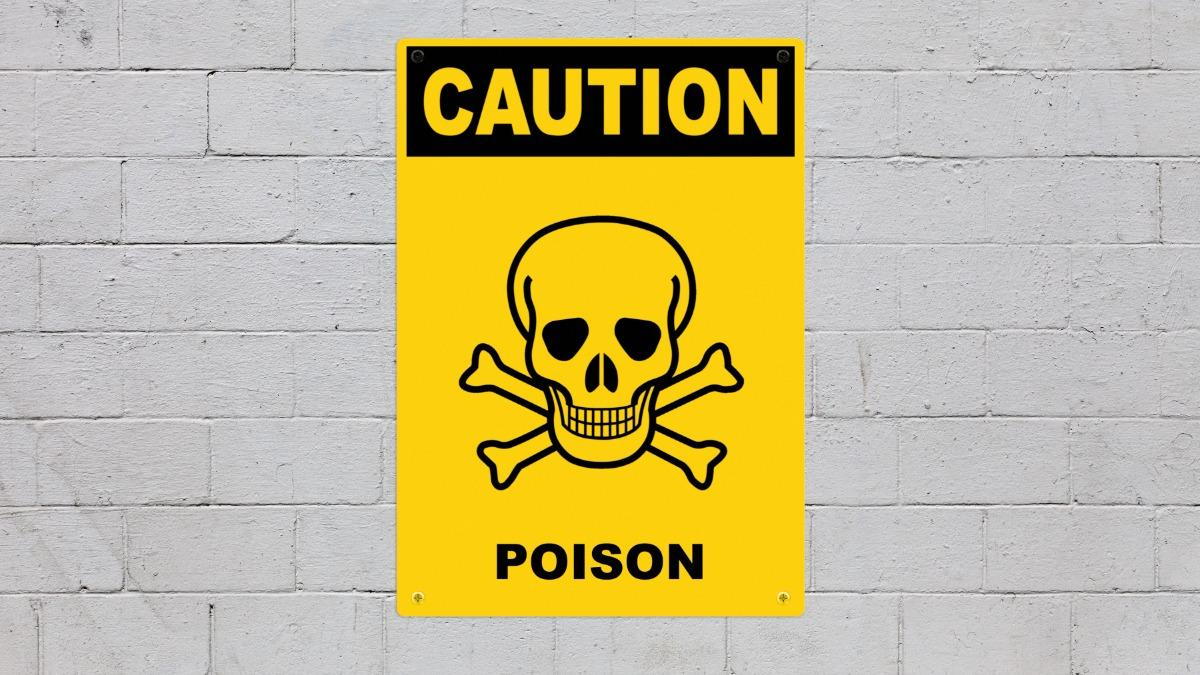
Keeping children safe at home goes beyond baby gates and outlet covers. From infancy through the teenage years, everyday household items can pose serious risks when used incorrectly or stored improperly. Poison exposure remains one of the most common reasons for emergency visits among children, yet many of these incidents are preventable with awareness, safe storage, and timely action.
This guide is designed to help parents recognize common household hazards and take practical steps to reduce the risk of poisoning at every stage of childhood.

Medications and Vitamins: The Most Common Cause of Childhood Poison
Medications—both prescription and over-the-counter—are the leading cause of accidental poisoning in children. Young kids may mistake pills for candy, while teens may misuse medications intentionally or unintentionally. Vitamins and supplements, especially those containing iron, can be particularly dangerous in large doses.
Parents should store all medications in locked cabinets, out of sight and reach. Avoid taking medicine in front of young children, as imitation is common. Use child-resistant caps consistently, and never refer to medicine as candy to encourage compliance.
Regularly dispose of expired or unused medications through pharmacy take-back programs. If you live near pediatrician Mansfield experts, ask during wellness visits about age-appropriate medication safety for your child.
Cleaning Products and Disinfectants Hidden in Plain Sight
Household cleaners are often stored under sinks or in easily accessible areas, making them a major hazard for curious toddlers. Products such as bleach, disinfectant sprays, drain cleaners, and toilet bowl solutions can cause burns, respiratory irritation, or serious internal injury if ingested.
Even teens can be at risk when mixing cleaning chemicals, which can release toxic fumes. Always keep cleaners in their original containers with labels intact, and never transfer them into drink bottles. Lock storage areas and supervise children during cleaning routines. Families seeking guidance from a doctor in Mansfield can also receive personalized safety counseling during routine checkups.

Laundry Detergent Pods and Concentrated Chemicals
Laundry detergent pods deserve special attention due to their bright colors and candy-like appearance. These concentrated packets can cause severe symptoms if bitten, swallowed, or burst into the eyes. Even older children may underestimate their danger.
Store pods in locked containers and avoid leaving them out during laundry routines. Teach children, especially school-aged kids, that these are not toys. Liquid and powder detergents should also be treated with caution. Pediatric practices offering community education, including Mansfield pediatrics, often highlight detergent safety as a key prevention topic.
Personal Care Items, Cosmetics, and Essential Oils
Personal care products such as mouthwash, nail polish remover, hair products, and perfumes often contain alcohol or other toxic substances. Essential oils, while popular, can be harmful if ingested or applied improperly, particularly for infants and toddlers.
Teens experimenting with cosmetics or skincare may unintentionally misuse products. Keep all personal care items stored securely and educate older children on proper use. Avoid assuming “natural” means safe. If you’re part of a family served by Mansfield pediatrics TX experts ask about age-specific risks related to essential oils and cosmetic products.

Pesticides, Insect Repellents, and Rodent Poison Risks
Products designed to kill pests are inherently dangerous to children and pets. Insect sprays, weed killers, and rodent poison can cause serious poisoning even in small amounts. Outdoor storage areas, garages, and sheds are common sources of exposure.
Use child-safe alternatives whenever possible, and apply chemicals only according to label instructions. Never leave bait stations accessible, and avoid using loose pellets or powders indoors. Parents working with pediatricians Mansfield tx can discuss safer pest-control options during preventive care visits.
Plants, Foods, and Household Items That Can Be Toxic to Kids
Many families are surprised to learn that common houseplants, certain foods, and everyday items can be toxic. Plants like philodendrons or peace lilies, foods such as unripe berries, and items like batteries or alcohol-containing products pose real risks.
Button batteries, in particular, are extremely dangerous if swallowed and require immediate medical attention. Educate children as they grow about what is safe and what is not, and routinely check your home for overlooked hazards. Local practices such as Kidsville Pediatrics Mansfield TX often provide poison-prevention checklists tailored to family homes.
What to Do in a Poison Emergency: When and How to Act
Despite best efforts, accidents can still happen. Knowing how to respond quickly can make a critical difference. If you suspect poisoning, remain calm and remove the substance from the child’s reach. Do not induce vomiting unless instructed by medical professionals.
Call Poison Control immediately for guidance, and seek emergency care if your child shows symptoms such as difficulty breathing, seizures, severe vomiting, or loss of consciousness. Keep emergency numbers easily accessible and ensure caregivers and teens know what to do. Prompt action can significantly reduce the effects of poison exposure and prevent long-term harm.
Protecting children from household hazards requires ongoing vigilance as they grow and gain independence. Regular conversations, safe storage habits, and guidance from trusted pediatric providers all play a role. By staying informed and proactive, families can greatly reduce the risk of poison exposure and create a safer home environment for children of all ages.
