
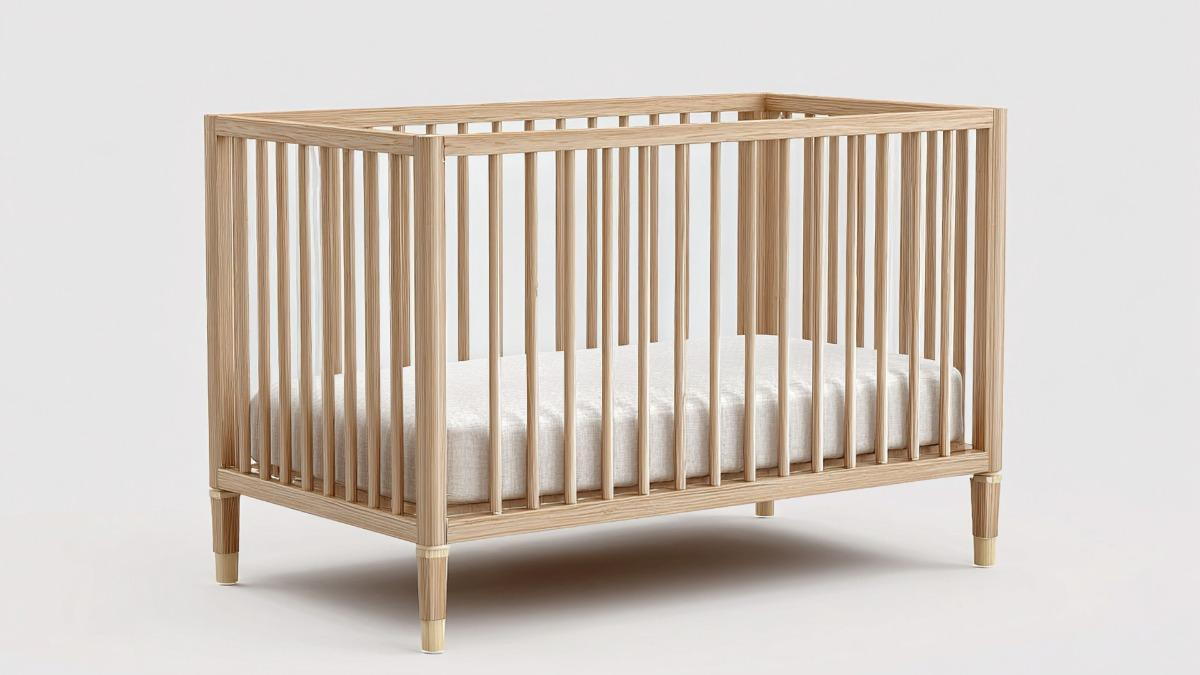
Those first weeks with a newborn are filled with wonder, exhaustion, and a thousand quiet questions—especially when it’s time to put your baby down to sleep. Parents often lie awake listening for every breath, wondering if they’ve done everything “right.” At the heart of those worries is sleep safety, a topic that matters deeply not just in the newborn months, but throughout childhood.
Creating a safe sleep space isn’t about perfection; it’s about making thoughtful, informed choices that protect your baby while giving you peace of mind.

Choosing a Safe Crib for Sleep Safety
A crib is more than a piece of furniture—it’s where your baby will spend a large portion of their earliest days and nights. Choosing one that meets current safety standards is essential. Today’s approved cribs are built with strict guidelines, including sturdy frames and slats spaced no more than 2⅜ inches apart to prevent a baby’s head from slipping through.
Hand-me-down or vintage cribs may look charming, but many don’t meet modern safety requirements. Drop-side cribs, in particular, should never be used. These designs were recalled years ago after being linked to serious injuries. It’s also wise to avoid cribs with decorative cutouts or raised corner posts that can snag clothing or pose strangulation risks. If you’re ever unsure, a trusted pediatrician Mansfield parents rely on can help you review what’s truly safe and what’s best left unused.
The Right Mattress for Newborn Sleep
When parents shop for a crib mattress, comfort is often top of mind—but for babies, firmness equals safety. A newborn mattress should be firm, flat, and fit snugly into the crib with no gaps along the edges. Soft or cushioned mattresses, including memory foam styles, increase the risk of suffocation and should be avoided.
A simple test many parents use is the “two-finger rule.” If more than two fingers fit between the mattress and crib frame, the mattress is too small. Breathable materials and waterproof covers designed specifically for infants can add reassurance, but firmness should never be compromised. Many families ask a doctor in Mansfield whether a softer mattress will help babies sleep longer; in reality, a firm surface is one of the most protective choices you can make.

Safe Bedding Essentials Only
It’s tempting to make a crib cozy with blankets, pillows, or adorable accessories, but newborn sleep spaces should stay beautifully simple. A tight-fitting crib sheet is all your baby needs. Loose bedding—including blankets, quilts, and pillows—can cover a baby’s face and interfere with breathing.
Crib bumpers, even those labeled “breathable,” are not recommended and have been associated with sleep-related injuries. Instead of blankets, parents can dress babies in weather-appropriate sleepwear or use wearable blankets designed for infants. Many Mansfield pediatrics professionals gently remind families that a bare crib isn’t cold or uninviting—it’s one of the safest environments for a sleeping newborn.
Crib Placement and Sleep Environment
Where the crib sits in your home matters just as much as what’s inside it. Cribs should be placed away from windows, blind cords, wall décor, shelves, and lamps. Anything within reach of curious little hands—or that could fall—should be kept at a safe distance.
Room temperature also plays a role in healthy sleep. Most experts recommend keeping the room comfortably cool, generally between 68°F and 72°F. Overheating has been linked to increased sleep risks, so babies should be dressed lightly. A calm, uncluttered sleep environment supports both rest and sleep safety, something emphasized by many providers.

Sleep Safety and Position: Why Back Is Always Best
One of the most powerful ways parents can reduce sleep-related risks is by placing babies on their backs for every sleep. Back sleeping keeps the airway open and has been shown to significantly reduce the risk of Sudden Infant Death Syndrome (SIDS).
Some parents worry about choking, especially if their baby spits up. Research consistently shows that healthy babies are actually safer on their backs, as their anatomy helps protect the airway. Once babies learn to roll on their own, they may change positions during sleep, but parents should always start sleep time on the back. Pediatricians Mansfield TX experts frequently reassure families that this simple habit saves lives.
What NOT to Put in the Crib
A safe crib is an uncluttered crib. Stuffed animals, toys, decorative pillows, extra blankets, and sleep positioners don’t belong in a newborn’s sleep space. Even items marketed specifically for infants can pose risks if they restrict movement or breathing.
Sleep wedges and positioners are especially concerning and should only be used if specifically prescribed for medical reasons. Products that promise better sleep or improved head shape often lack strong scientific evidence. Guidance from Kidsville Pediatrics Mansfield TX consistently centers on simplicity—because when it comes to newborn sleep, less truly is safer.
When to Transition or Adjust the Sleep Setup
Babies grow quickly, and their sleep environment should evolve with them. Once a baby begins rolling, sitting, or pulling up, parents should lower the crib mattress to prevent falls. It’s also important to regularly check the crib for loose screws, worn parts, or damage.
Eventually, children will transition from a crib to a toddler bed, but this step should be based on readiness, not age alone. Even as children grow into school-aged kids and teenagers, the habits formed early—like prioritizing rest and reducing hazards—continue to shape healthy sleep routines rooted in sleep safety.
Parenthood doesn’t come with a manual, but creating a safe sleep environment is one area where clear guidance can ease anxiety. By choosing a safe crib and mattress, keeping bedding minimal, placing babies on their backs, and adjusting the setup as your child grows, you’re doing more than following recommendations—you’re protecting your child during their most vulnerable moments. Thoughtful sleep safety practices help your baby rest securely and allow you, as a parent, to finally rest a little easier too.
