
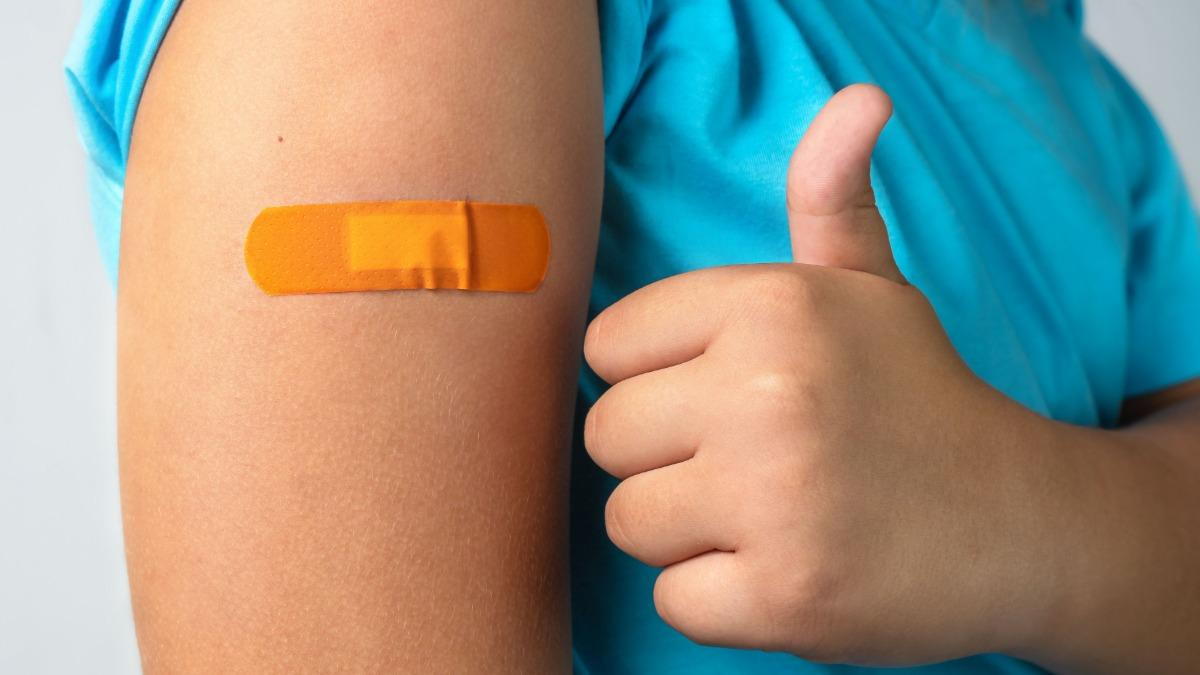
Vaccines protect children from serious, potentially life-threatening illnesses—but for many parents, the hours and days after an appointment can bring worry. Is this reaction normal? Should my child be this fussy? Do I need to call the doctor? Understanding vaccine side effects helps parents feel prepared, confident, and ready to act when needed. From infants and toddlers to school-age children and teenagers, knowing what’s typical after immunizations can ease anxiety and ensure your child receives the right care at the right time.
At Kidsville Pediatrics, our goal is to support families not just during visits, but long after they leave the office.
Common Mild Side Effects You May Notice
Most children experience mild, short-term reactions after vaccinations. These are expected and usually mean the immune system is responding appropriately.
Common side effects include redness, swelling, or tenderness at the injection site, low-grade fever, fatigue, or irritability. Babies may cry more or sleep longer than usual. Toddlers might be clingy or less interested in food. Older children and teens often report soreness in the arm or leg where the shot was given.
Families visiting our Southlake clinic often ask if these reactions are a sign something went wrong. In most cases, they are completely normal and temporary, resolving on their own within a couple of days.
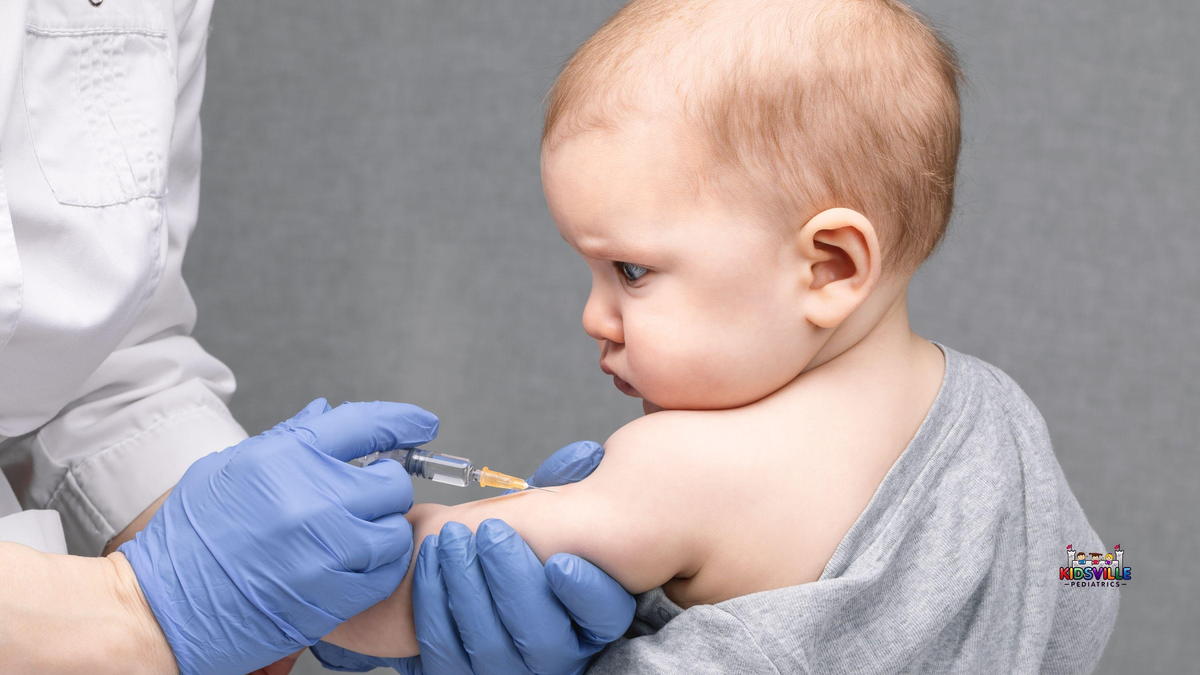
Normal Reactions vs. When to Be Concerned
While mild reactions are common, it’s important for parents to know when symptoms may require medical attention.
Normal reactions include low fever, mild swelling, fussiness, and temporary changes in sleep or appetite. These typically improve within 24–48 hours. However, parents should contact a medical provider right away if their child develops a high fever, difficulty breathing, severe swelling, hives, facial swelling, or inconsolable crying that lasts for hours.
Although serious reactions are rare, prompt care matters. Southlake doctors encourage parents to trust their instincts—if something feels concerning, it’s always better to call than to wait.
Managing Soreness, Fever, and Fussiness at Home
Supportive care at home can significantly improve your child’s comfort after vaccination. Applying a cool compress to the injection site can help reduce soreness and swelling. Keep your child well hydrated and dressed in comfortable, lightweight clothing.
If fever or pain is affecting your child, talk to your Southlake TX pediatrician about appropriate medication and dosing based on age and weight. Avoid overexertion, and allow your child extra rest if they seem tired. Calm routines, cuddling, and quiet activities can make recovery smoother—especially in the first 24 hours.
How Long Vaccine Side Effects Typically Last
For most children, vaccine side effects are short-lived. Injection-site soreness often improves within one to two days, while mild fever or fatigue usually resolves within 24–48 hours.
Some vaccines may cause delayed reactions, such as mild swelling or rash several days later. These can still be normal and should gradually improve. What parents should watch for is progression—symptoms should lessen over time, not intensify.
If reactions last longer than expected or worsen, contacting your Southlake TX Pediatrician ensures your child receives timely guidance and care.
Comforting Your Child After Vaccination
Emotional comfort is just as important as physical care. Infants benefit from holding, feeding, and a quiet environment. Toddlers and young children respond well to reassurance, gentle play, and distraction through books or favorite toys.
Older children and teens may prefer space, rest, and honest explanations about how their body is responding. Families working with a pediatrician Southlake parents trust often find that validating a child’s feelings—rather than minimizing them—helps reduce anxiety and supports faster recovery.
When to Call Your Pediatrician
Parents should never hesitate to reach out with concerns. Call if your child develops a high or persistent fever, shows signs of allergic reaction, experiences worsening pain, or behaves in a way that feels unusual.
You know your child best. Early communication can prevent complications and provide reassurance. Families connected with a pediatrician in Southlake understand that asking questions is part of responsible, proactive care—not overreacting.
Helping Your Child Return to Normal Activities
Most children can return to normal routines shortly after vaccination if they feel well. School, daycare, and light activities are usually safe. However, it’s okay to take a slower pace for a day if soreness or fatigue is present.
Avoid strenuous activity if the injection site is painful, and prioritize hydration, nutritious meals, and adequate sleep. Families at Kidsville Pediatrics Southlake appreciate individualized guidance, especially for active children and teens eager to resume sports and extracurriculars.
Vaccines are a critical part of protecting children’s health, but care doesn’t stop when the appointment ends. Understanding vaccine side effects empowers parents to respond calmly, recognize warning signs, and support recovery at home. When questions arise, timely communication with your pediatric care team can make all the difference. Staying informed, attentive, and proactive helps families navigate vaccine side effects with confidence—today and in the years ahead.
