
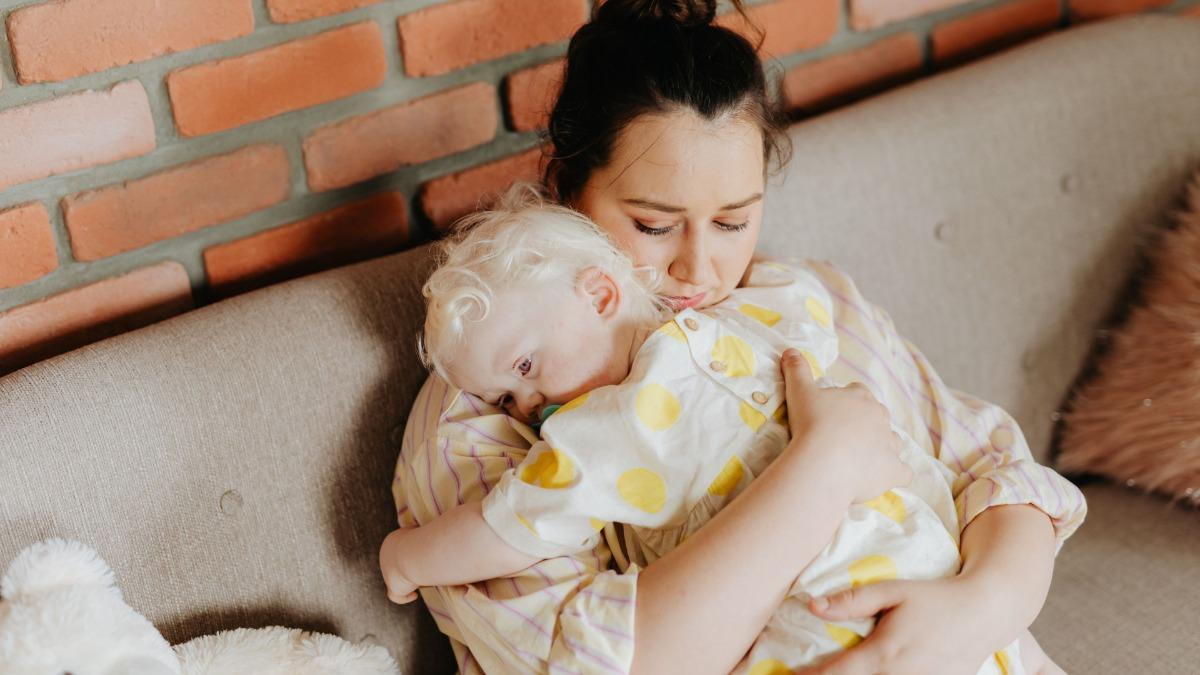
Empathy is not something children are born knowing how to practice—it is a skill that develops gradually through guidance, experience, and consistent modeling. For parents, teaching empathy in the preschool years lays the foundation for emotional intelligence, healthy relationships, and respectful behavior that extends well into the teenage years. When children learn to recognize emotions in themselves and others early on, they are better equipped to navigate friendships, family dynamics, and school environments. The good news is that empathy does not require special lessons or tools. It can be nurtured through everyday moments at home, during play, and in routine interactions.

1. Talk About Feelings as They Happen
One of the most effective ways to help preschoolers develop empathy is by talking about feelings in real time. Young children often experience strong emotions but lack the vocabulary to explain what they feel or to recognize emotions in others. When parents pause and label emotions as they arise, children begin to make important emotional connections.
For example, if your child is frustrated because a toy will not work, you might say, “You look upset because the toy isn’t doing what you want.” If a sibling is crying, you can gently explain, “Your brother is sad because he fell down.” These simple observations help children learn that emotions have causes and that other people’s feelings matter too. Over time, this awareness supports teaching empathy by helping children understand that their actions can affect how others feel.
2. Use Daily Routines to Practice Kindness
Daily routines offer countless opportunities to practice empathy without adding extra tasks to a busy schedule. Simple activities like setting the table, cleaning up toys, or helping a sibling get dressed can become moments of kindness and consideration.
Encourage your child to think about how their actions help others. Saying things like, “When you help put away groceries, it makes things easier for everyone,” reinforces the idea that small acts can have a positive impact. Morning and bedtime routines are also ideal times to emphasize kindness, patience, and cooperation. In families supported by pediatric healthcare McKinney experts, these routine-based lessons are often encouraged because they naturally reinforce emotional growth alongside physical development.
3. Encourage Sharing and Turn-Taking During Play
Playtime is one of the most powerful environments for learning empathy, especially when it involves sharing and taking turns. Preschoolers are still developing impulse control, so conflicts over toys or games are common. Rather than viewing these moments as problems, parents can treat them as learning opportunities.
When children struggle to share, calmly explain why taking turns matters and how it makes play more enjoyable for everyone. You might say, “When you let your friend have a turn, they feel happy and included.” Over time, children begin to understand that cooperation strengthens relationships. Many McKinney pediatrics professionals emphasize that social skills developed through play are closely linked to emotional regulation and empathy later in childhood.
4. Read Stories That Show Emotions and Discuss Them
Books are powerful tools for helping children explore emotions in a safe and engaging way. Stories allow preschoolers to see characters experience happiness, sadness, fear, and kindness, reinforcing the idea that everyone has feelings.
While reading together, pause to ask questions like, “How do you think this character feels?” or “What could they do to help their friend?” These discussions encourage children to step into someone else’s perspective. Over time, these conversations strengthen emotional awareness and reinforce teaching empathy in a way that feels natural and enjoyable. Pediatric experts, including McKinney pediatrics doctors, often recommend shared reading as a key activity for emotional and cognitive development.

5. Acknowledge and Name Empathetic Behavior When You See It
Children repeat behaviors that receive positive attention. When parents notice and acknowledge empathetic actions, they reinforce the value of kindness and compassion. This does not require grand gestures—simple verbal recognition is enough.
If your child comforts a sibling, shares a toy without being asked, or shows concern when someone is hurt, name the behavior clearly. Saying, “That was very kind of you to help your friend when they were sad,” helps children understand what empathy looks like in action. Over time, this reinforcement strengthens their ability to recognize and repeat empathetic behavior. Many parents guided by a pediatrician in McKinney TX find that positive reinforcement plays a key role in shaping emotional habits during early childhood.
6. Guide Children Through Conflicts Instead of Solving Them for Them
It can be tempting for parents to step in and immediately resolve conflicts between children, but doing so removes an important opportunity for growth. Guiding children through disagreements teaches them to recognize emotions, listen to others, and work toward solutions.
When conflicts arise, encourage each child to express how they feel and what they need. Help them listen to one another and brainstorm fair solutions together. This approach teaches problem-solving while reinforcing empathy by showing that everyone’s feelings deserve attention. Over time, children learn that understanding others is an essential part of resolving disagreements—a lesson that remains valuable well beyond the preschool years.
7. Show Empathy Yourself in Everyday Interactions
Children learn more from what parents do than from what they say. Modeling empathy in everyday interactions is one of the most powerful ways to teach it. When children see adults responding with patience, understanding, and kindness, they naturally begin to imitate those behaviors.
This can be as simple as speaking respectfully during stressful moments, expressing concern for others, or apologizing when you make a mistake. These examples show children that empathy is a lifelong practice, not just a rule to follow. Families supported by a trusted McKinney clinic often find that consistent role-modeling at home complements guidance provided during pediatric visits.
Empathy is a skill that grows with practice, patience, and consistency. By weaving teaching empathy into everyday activities—conversations, routines, play, reading, and conflict resolution—parents can help preschoolers develop emotional awareness that supports healthier relationships throughout childhood and into the teenage years. These small, intentional moments add up, shaping children who are not only emotionally resilient but also deeply considerate of the world around them.
