

Hearing the word “cancer” in relation to a child is every parent’s worst fear. Each year, January 19–23 is recognized as Cancer Talk Week, a time dedicated to encouraging open, informed conversations about cancer awareness, early detection, and timely intervention. While childhood cancers are relatively rare, recognizing symptoms early remains one of the most important factors in improving outcomes.
In 2026, medical advances continue to strengthen survival rates, but parental awareness is still critical. Understanding the most common types of cancer affecting children and teenagers helps families recognize concerning changes and seek medical guidance without delay.
Unlike adult cancers, childhood cancers often develop rapidly and may present with subtle or misleading symptoms. Many early warning signs resemble everyday childhood illnesses, sports injuries, or growth-related discomfort. What matters most is persistence, progression, and patterns that do not resolve as expected.
Paying close attention to physical, emotional, and behavioral changes is essential in protecting your child’s health. Below are the top five pediatric cancers parents should be aware of today, along with the early warning signs that should never be ignored.
Leukemia: The Most Common Childhood Types of Cancer
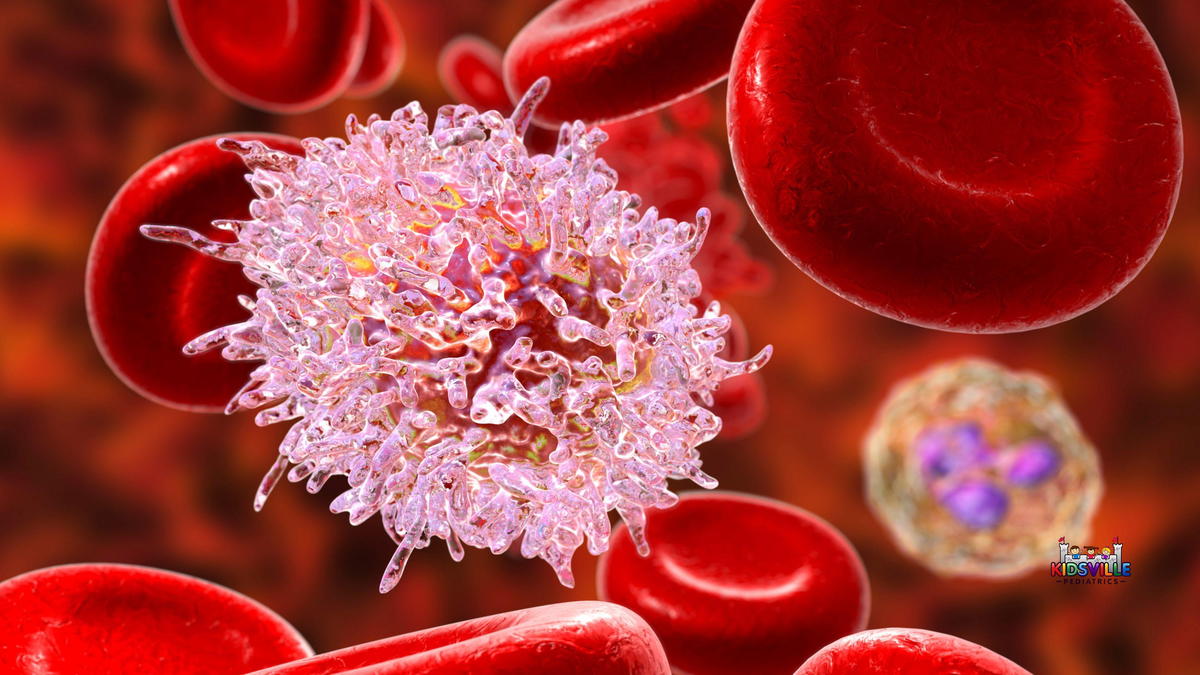
Leukemia is the most frequently diagnosed childhood cancer, affecting the blood and bone marrow. Among its subtypes, Acute Lymphoblastic Leukemia (ALL) accounts for the majority of cases in children and adolescents. Because leukemia disrupts normal blood cell production, symptoms often relate to oxygen delivery, immunity, and clotting.
Parents may first notice persistent fatigue that does not improve with rest. Children can appear unusually pale due to anemia and may bruise easily or experience unexplained bleeding. Tiny red or purple spots on the skin, known as petechiae, may develop when platelet levels are low. Frequent fevers or recurring infections can also signal that the immune system is compromised.
Physical pain is another important indicator. Bone or joint pain, especially in the legs, may cause a child to limp, avoid physical activity, or wake at night complaining of discomfort. These symptoms are sometimes mistaken for normal growth-related aches. However, when pain is persistent, worsening, or paired with fatigue and bruising, further evaluation is necessary. Regular monitoring through pediatric checkups helps ensure these warning signs are recognized early.

Brain and Central Nervous System (CNS) Tumors
Brain and central nervous system tumors are the most common solid tumors diagnosed in children. These cancers develop in the brain or spinal cord and can interfere with vital functions such as balance, vision, coordination, and speech. Symptoms often depend on the tumor’s size and location.
Frequent headaches are one of the most common warning signs, particularly headaches that occur early in the morning or wake a child from sleep. These headaches are often accompanied by vomiting that appears sudden and forceful, sometimes described as projectile vomiting. Unlike stomach illnesses, this vomiting may occur without nausea or relief afterward.
Neurological changes are especially concerning. Parents may observe sudden difficulty walking, frequent falls, slurred speech, or changes in handwriting or school performance. Vision problems such as blurred or double vision, eye crossing, or a drooping eyelid should never be ignored. Because children may not fully articulate what they are experiencing, subtle behavioral changes can be just as important. When symptoms persist, evaluation at a trusted pediatric clinic is essential.

Lymphoma
Lymphoma is a type of immune system cancer that starts in the lymphatic system. In children, it is categorized as either Hodgkin lymphoma or Non-Hodgkin lymphoma. Both types can progress quickly, making early recognition particularly important.
One of the earliest and most noticeable signs is firm, painless swelling of the lymph nodes. These enlarged nodes usually appear on the neck, in the armpits or groin and do not become smaller over time. Unlike lymph nodes swollen from infection, lymphoma-related swelling is typically not tender or red.
Systemic symptoms often accompany lymph node enlargement. These may include unexplained weight loss, persistent fatigue, drenching night sweats, and ongoing itching without a visible rash. Some children may also experience prolonged low-grade fevers. Because these symptoms can be mistaken for viral illnesses or allergies, parents searching for the key phrase - pediatric doctors near me - should seek medical evaluation when symptoms persist for several weeks.

Neuroblastoma
Neuroblastoma is a cancer that develops from immature nerve cells and is most commonly diagnosed in infants and young children under the age of five. It often originates in the adrenal glands above the kidneys but can develop anywhere along the sympathetic nervous system.
The most common warning sign is a firm, painless mass in the abdomen. Parents may notice abdominal swelling, bloating, or a feeling of fullness that affects appetite. Because young children cannot always describe discomfort clearly, changes in eating habits, energy levels, or posture can provide important clues.
Other physical changes may include bulging eyes with dark circles underneath, often described as raccoon-like bruising. Bone pain, limping, or unexplained irritability may occur if the cancer spreads to the bones. Sudden changes in bowel or bladder habits can also signal pressure from a growing tumor. When symptoms escalate and families look for - pediatric immediate care near me - online prompt evaluation can significantly affect treatment outcomes.

Wilms Tumor (Nephroblastoma)
Wilms tumor, also known as nephroblastoma, is a rare kidney cancer that primarily affects children between the ages of three and four. Although uncommon, it is one of the most treatable childhood cancers when detected early.
The most noticeable sign is a firm lump or swelling in the abdomen. In many cases, the mass is discovered accidentally during bathing or dressing rather than through pain or discomfort. Because the tumor grows internally, it may reach a significant size before other symptoms appear.
Internal warning signs can include blood in the urine, abdominal pain, fever, and high blood pressure. Some children may also experience constipation or general discomfort. These symptoms should never be dismissed, even if the child appears otherwise healthy. Consistent visits with a pediatrician help ensure abdominal abnormalities are detected as early as possible.
Trusting Parental Instincts and Acting Early
Parents know their children best. When something feels out of the ordinary, it is always appropriate to seek medical advice. Childhood cancer symptoms often overlap with common illnesses, but persistence, worsening severity, or multiple symptoms occurring together deserve careful attention.
Access to reliable pediatric care allows developmental milestones, physical findings, and parental concerns to be evaluated in context. Early diagnosis not only improves survival rates but may also reduce the intensity and duration of treatment, helping children return to normal routines more quickly.
As Cancer Talk Week reminds us, conversations save lives. By staying informed, recognizing early warning signs, and understanding the most common types of cancer, parents play a vital role in safeguarding their children’s health today and for years to come.
