
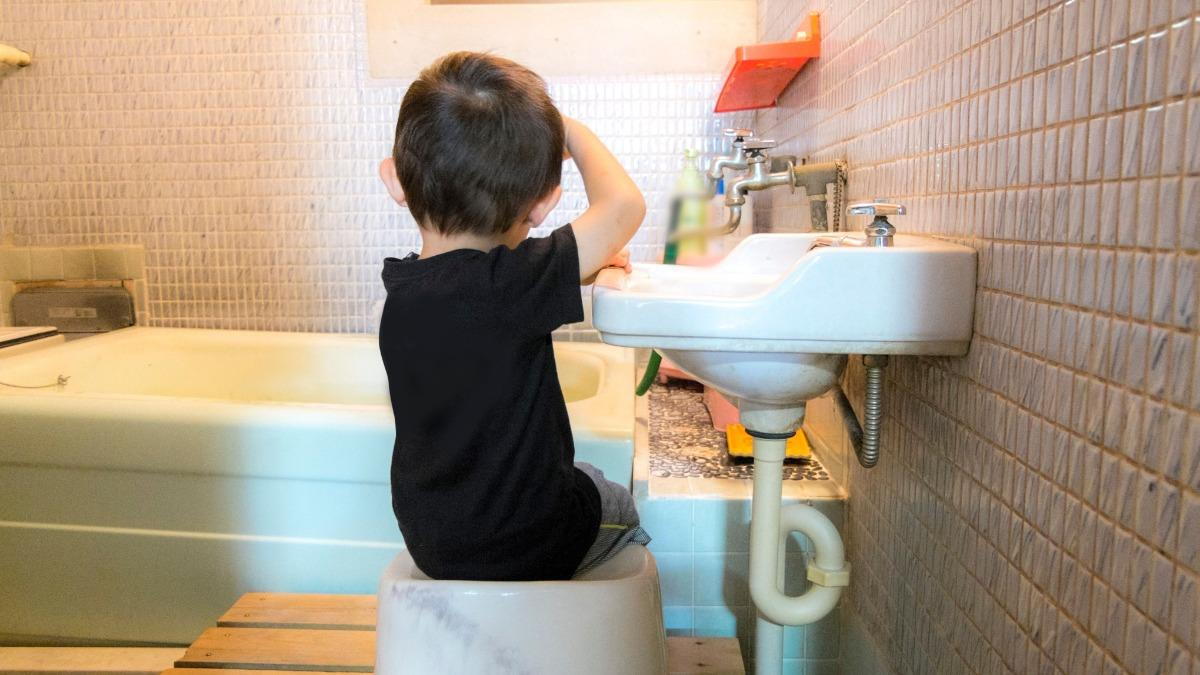
The bathroom is one of the most frequently used spaces in any home, yet it is also one of the most dangerous for children. From slippery floors and hot water to medications and electrical items, everyday bathroom features can pose serious risks if not managed properly. For families with children ranging from infants to teenagers, creating a culture of bathroom safety is not optional—it is essential. This checklist is designed to help parents reduce risks, build smart habits, and protect children at every developmental stage.
Install Non-Slip Mats Inside the Tub and on the Bathroom Floor
Slips and falls are among the most common causes of bathroom injuries in children. Wet surfaces, soap residue, and smooth tiles can easily lead to loss of balance, especially for toddlers who are still developing coordination. Installing non-slip mats inside the bathtub or shower provides traction that significantly reduces the risk of falls. Equally important is placing non-slip rugs or adhesive strips on the bathroom floor near the tub, sink, and toilet.
For families working with McKinney pediatricians, fall prevention is often one of the first recommendations when discussing home safety. As children grow, parents should regularly check mats for wear and replace them when suction cups loosen or surfaces become slick. Older children and teens should also be reminded to dry the floor after bathing to prevent accidents for younger siblings.

Always Supervise Infants and Young Children During Bath Time
No safety device can replace active adult supervision. Infants and young children can drown in just a few inches of water, and bath seats or rings do not eliminate this risk. A caregiver should always remain within arm’s reach during bath time, avoiding distractions such as phones or doorbells.
Many families under the care of a McKinney pediatrician are surprised to learn that drowning is one of the leading causes of injury-related death in young children, even inside the home. Establishing a strict “no leaving the bathroom” rule during baths is a foundational part of bathroom safety. As children grow older, supervision may shift from direct presence to listening in and checking regularly, but awareness should never be relaxed entirely.
Set the Water Heater to a Safe Temperature (Below Scalding Levels)
Hot water burns can happen quickly and are particularly dangerous for children because their skin is thinner and more sensitive than that of adults. Water heaters should be set to a maximum of 120°F (49°C) to prevent scalding injuries. Parents should also test bath water with their wrist or elbow before placing a child in the tub.
Families seeking guidance from pediatric healthcare McKinney providers are often advised to install anti-scald devices on faucets and showerheads for added protection. Teaching older children and teens to adjust water temperature gradually and never turn taps fully hot reinforces lifelong safety habits while supporting overall bathroom safety awareness.
Keep Toilet Lids Closed and Use Toilet Locks for Homes with Young Children
Toilets are hazardous for infants and toddlers especially when they become curious and explore. Open toilet lids can lead to falls, head injuries, or even drowning. Installing toilet locks and keeping lids closed at all times is a simple but critical preventive measure.
Many McKinney doctors emphasize toilet safety during early childhood visits because incidents often occur silently and quickly. Parents should also ensure toilets are securely anchored to the floor to prevent tipping. As children mature, parents can gradually remove locks while reinforcing proper use and hygiene, maintaining a balance between independence and safety.

Store Medicines, Razors, and Cleaning Products in Locked Cabinets
Bathrooms commonly store items that are dangerous if ingested or mishandled, including prescription medications, over-the-counter drugs, razors, and cleaning agents. These items should always be kept in locked cabinets or placed well out of reach of children. Even products with child-resistant packaging are not child-proof and should not be relied upon as the sole safety measure.
For families working closely with Kidsville Pediatrics McKinney, medication safety is a frequent topic of discussion, especially for households with multiple children of different ages. Teens should also be educated on the proper use and risks of medications and personal care tools, reinforcing responsibility while maintaining strong bathroom safety standards.
Keep Electrical Items Away from Water Sources
Hair dryers, electric razors, curling irons, and other plugged-in devices pose a serious electrocution risk when used near water. These items should be stored unplugged and away from sinks, tubs, and toilets. Ground fault circuit interrupter (GFCI) outlets should be installed in all bathrooms to automatically shut off power if a fault is detected.
Parents guided by a pediatrician in McKinney are often encouraged to model safe behavior by unplugging devices immediately after use. Teens, who may use more electrical grooming tools, should be taught to keep cords dry and to avoid using electronics near water entirely. These habits support independence while maintaining a safe environment.
Teach Age-Appropriate Bathroom Rules and Safety Habits Early
Physical safety measures are only part of the equation. Teaching children clear, age-appropriate bathroom rules helps reinforce safe behavior as they grow. Toddlers can learn to sit while bathing and ask for help, while school-aged children can be taught to wipe spills, avoid running, and respect water temperature controls. Teenagers should understand the risks associated with multitasking, such as using phones near water or leaving electrical devices plugged in.
Families supported by pediatricians often find that consistent conversations about safety are just as important as equipment and locks. Encouraging open communication allows children to report hazards or near-misses, strengthening the household’s overall bathroom safety culture.
Creating a safer bathroom does not require expensive renovations, but it does require intention, consistency, and education. By following this checklist and adapting it as children grow, parents can significantly reduce preventable injuries and foster lifelong safety habits. A well-maintained bathroom that prioritizes bathroom safety protects not only young children but the entire family, offering peace of mind in one of the most-used spaces in the home.
