
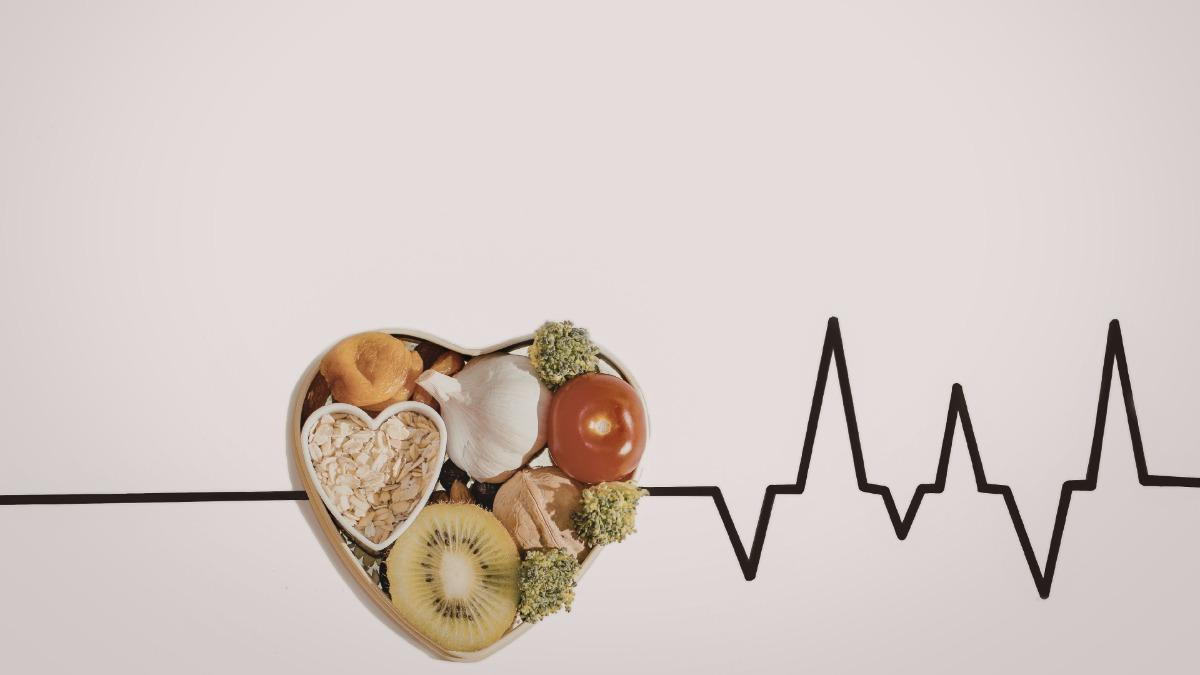
Parents today are more aware than ever that nutrition shapes lifelong health. A heart friendly diet during childhood supports not only cardiovascular wellness but also brain development, energy levels, and immune strength. From toddlers learning to eat solids to teenagers managing busy school and sports schedules, the right food choices can help protect heart health early in life.
Families working with Kidsville Pediatrics often ask how everyday meals can support long-term wellness, and the answer starts with simple, consistent nutrition habits.
Why Heart Health Starts in Childhood
Heart disease is often considered an adult concern, but risk factors can begin developing during childhood. Diets high in processed foods, excess sugar, and unhealthy fats can affect cholesterol levels, blood pressure, and inflammation even in younger bodies. Teaching children healthy eating habits early helps normalize nutritious choices and reduces long-term risk.
Pediatric providers at the Southlake clinic often emphasize balance rather than restriction. Kids need fats, carbohydrates, and protein for growth. The goal is choosing nutrient-dense foods that support the heart while still being enjoyable and practical for family life.
Building a Heart Friendly Diet for Growing Kids
A balanced heart friendly diet focuses on whole foods rich in fiber, healthy fats, vitamins, minerals, and antioxidants. These nutrients help regulate cholesterol, maintain healthy blood pressure, support circulation, and reduce inflammation.
When families work with Southlake doctors, they often learn that small daily food swaps can make a big difference. Replacing processed snacks with fruit, choosing whole grains over refined grains, and incorporating healthy fats are simple but powerful steps.
Below are ten foods that can play a meaningful role in supporting children’s heart health.
1. Salmon: Omega-3 Support for Heart and Brain
Salmon is one of the best sources of omega-3 fatty acids, which help reduce inflammation, support blood vessel function, and promote healthy cholesterol levels. For children, omega-3s also support brain development, focus, and mood regulation.
Families seeing a Southlake TX pediatrician often ask how to introduce fish to kids. Mild baked salmon, salmon patties, or mixing flaked salmon into pasta can make it more approachable. Serving salmon once or twice per week can be a powerful addition to a child’s nutrition plan and is a strong component of a heart friendly diet.
2. Oats: Cholesterol Support and Steady Energy
Oats contain soluble fiber, which helps lower LDL cholesterol and supports stable blood sugar levels. This is especially helpful for active children who need sustained energy for school and sports.
Parents working with a Southlake TX pediatrician often learn that oatmeal does not have to be plain. Adding berries, cinnamon, or a small drizzle of honey can improve taste while maintaining nutritional value.

3. Avocados: Healthy Fats that Support Good Cholesterol
Avocados provide monounsaturated fats that help support healthy cholesterol levels. They also contain potassium, which supports blood pressure regulation.
Families working with a pediatrician Southlake expert frequently discover that avocados can be added to smoothies, spread on toast, or mashed into sandwiches to replace less healthy spreads.
4. Berries: Antioxidant Protection for Blood Vessels
Blueberries and strawberries are rich in antioxidants that help protect blood vessels from damage. They also contain fiber and vitamin C, which support immune and heart health.
A pediatric nutrition plan often includes berries because they are naturally sweet and widely accepted by children. Including berries several times per week helps reinforce a heart friendly diet while keeping snacks enjoyable.

5. Spinach: Potassium and Vitamin Support for Heart Function
Spinach provides potassium, iron, folate, and fiber, all of which support heart function and circulation. Potassium helps balance sodium levels, which supports healthy blood pressure.
Families guided by a pediatrician in Southlake often find creative ways to add spinach into meals, such as blending into smoothies or mixing into pasta sauces.
6. Beans: Plant Protein and Cholesterol Support
Beans such as black beans, kidney beans, and lentils provide plant protein and soluble fiber that supports healthy cholesterol levels. They also help children feel full longer, reducing reliance on processed snacks.
Many families at Kidsville Pediatrics Southlake learn that beans are versatile and can be added to soups, tacos, rice bowls, or salads.

7. Walnuts: Anti-Inflammatory Heart Nutrition
Walnuts contain omega-3 fatty acids and plant compounds that help reduce inflammation and support blood vessel health. They can be added to oatmeal, yogurt, or eaten as a snack for older children.
Including nuts in moderation is another practical way to support a heart friendly diet, especially for school-age children and teens who need portable snack options.
8. Apples: Fiber for Cholesterol and Digestive Health
Apples contain soluble fiber that helps regulate cholesterol levels. They also support gut health, which is increasingly linked to heart health through inflammation control.
Apples are easy to pack in lunches, slice for snacks, or bake into healthy desserts, making them a convenient heart-supportive choice.

9. Yogurt: Blood Pressure and Gut Health Support
Low-sugar yogurt, especially Greek yogurt, provides calcium, protein, and probiotics. These nutrients support blood pressure, digestion, and immune function.
Choosing plain yogurt and adding fresh fruit helps control added sugar intake while supporting a balanced heart friendly diet for children.
10. Sweet Potatoes: Fiber and Potassium for Circulation
Sweet potatoes are rich in potassium and fiber, which help support healthy blood pressure and circulation. They also provide vitamin A, which supports immune and eye health.
Roasted sweet potato wedges or mashed sweet potatoes can be kid-friendly alternatives to processed side dishes.
Practical Tips for Parents
Creating heart-healthy habits does not require perfection. Focus on gradual improvements. Offer vegetables regularly even if children initially resist. Involve kids in meal preparation. Make healthy foods visually appealing and flavorful.
Consistency matters more than occasional treats. Modeling healthy eating as a family reinforces habits that last into adulthood.
Helping Kids Build Lifelong Healthy Habits
Heart health is built meal by meal, habit by habit. A friendly diet helps children maintain healthy cholesterol levels, supports circulation, and reduces long-term cardiovascular risk. More importantly, it builds a strong foundation for lifelong wellness.
By focusing on whole foods, balanced meals, and consistent nutrition habits, families can support both immediate and long-term health. A heart friendly diet is one of the most powerful tools parents can use to protect their children’s future health while supporting daily energy, growth, and development.
