
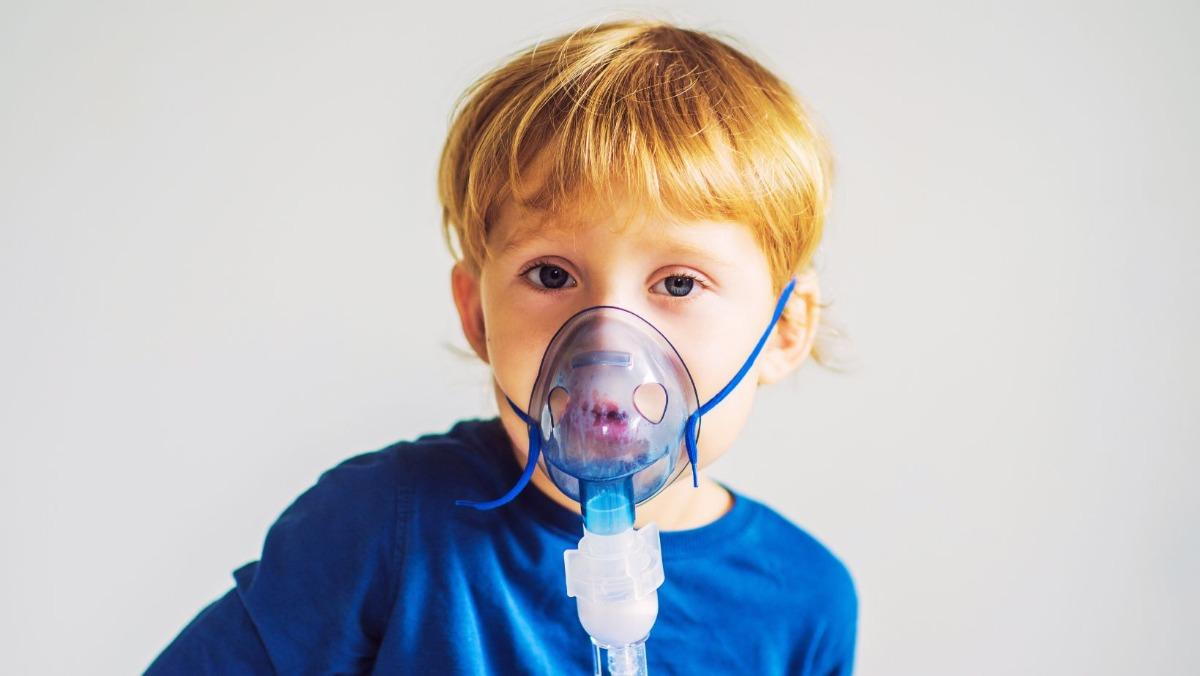
Bronchiolitis disease is a common lung infection that primarily affects young children and infants, causing inflammation in the bronchioles, the smallest air passages in the lungs. This condition is typically caused by viruses, most commonly the respiratory syncytial virus (RSV). For parents in Southlake, understanding bronchiolitis and seeking guidance from a pediatrician in Southlake can make a significant difference in managing this illness effectively.
Children with bronchiolitis often start with symptoms similar to a common cold, such as a runny nose and mild cough. However, the infection can progress, leading to more severe bronchiolitis symptoms.
Despite the worrisome nature of bronchiolitis, most cases are mild and can be managed at home with supportive care, such as ensuring the child stays hydrated and monitoring their breathing. However, it is crucial to recognize the signs that indicate the need for medical attention.
Knowing the symptoms, causes, and treatment options for bronchiolitis can empower parents to take appropriate action and seek the best care for their child. Consulting a pediatrician Southlake expert ensures access to personalized advice and support, meaning, parents will become better prepared to handle this common but potentially serious respiratory illness.
In the following sections, we will explore the specifics of bronchiolitis in greater detail, offering practical information and tips to help parents navigate this challenging condition. By understanding bronchiolitis and working closely with a pediatrician in Southlake, you can help ensure your child's swift recovery and overall well-being.
Understanding Bronchiolitis: What Parents Need to Know

Bronchiolitis disease targets the bronchioles, the smallest airways in the lungs, leading to inflammation and mucus buildup that can make breathing difficult for little ones. Understanding the nature of this acute respiratory condition is essential for parents to manage their child's health effectively.
The progression of acute bronchiolitis typically begins with symptoms resembling a cold, such as a runny nose, mild cough, and fever. As the disease advances, these symptoms can worsen into more severe respiratory issues. Children may experience wheezing, rapid or shallow breathing, and labored breathing, which are signs that the bronchioles are becoming increasingly obstructed. Recognizing these symptoms early is crucial for seeking appropriate medical care and avoiding complications.
In most cases, bronchiolitis is a mild illness that can be managed at home with supportive care. Ensuring that your child stays hydrated, using a cool-mist humidifier, and monitoring their breathing are important steps in managing the disease. Over-the-counter medications may help alleviate symptoms, but it is essential to avoid giving any medication without consulting a healthcare provider.
However, there are situations where the condition may escalate, requiring more intensive medical intervention. If a child shows signs of severe distress, such as significant difficulty breathing, bluish skin color, or extreme fatigue, it is vital to seek medical attention promptly. In these instances, treatments might include supplemental oxygen or hospitalization to ensure the child receives the necessary care to recover from the acute bronchiolitis.
Understanding bronchiolitis disease, its progression, and the available treatments can help parents navigate this challenging time. If you have concerns about your child’s symptoms or need advice on managing acute bronchiolitis, consulting a pediatrician in Southlake is a wise step.
Symptoms of Bronchiolitis in Young Children

As mentioned, the early signs of bronchiolitis often resemble those of a common cold, including a runny nose, mild cough, and low-grade fever. As the infection progresses, the symptoms can become more severe, leading to noticeable respiratory distress.
One of the hallmark symptoms of bronchiolitis is wheezing, which is a high-pitched whistling sound made while breathing. This occurs due to the inflammation and narrowing of the small airways in the lungs. Additionally, children with bronchiolitis may exhibit rapid or shallow breathing as their bodies attempt to get enough oxygen. Parents might also notice that their child is using extra muscles to breathe, which can be observed as flaring nostrils, grunting, or noticeable movement of the muscles between the ribs.
Another critical symptom to watch for is persistent coughing, which can disrupt a child’s sleep and lead to fatigue. In more severe cases, a child might experience cyanosis, a bluish tint to the skin, particularly around the lips and fingertips, indicating a lack of sufficient oxygen. It’s also common for infants with bronchiolitis to have difficulty feeding, leading to dehydration and decreased activity levels.
Monitoring these symptoms closely is essential, and seeking medical advice from a pediatrician Southlake TX expert can provide guidance on managing the illness. A pediatrician can offer supportive care recommendations, such as ensuring the child stays hydrated, using a humidifier, and monitoring their breathing. In cases where symptoms worsen, a pediatrician can determine if more intensive treatments, like supplemental oxygen or hospitalization, are necessary.
Understanding the symptoms of bronchiolitis in young children allows parents to take timely action and consult a pediatrician in Southlake TX, to ensure their child receives the best possible care. Early intervention and appropriate management can significantly improve the child’s recovery and comfort during this challenging time.
Causes and Risk Factors of Bronchiolitis

Certain risk factors increase the likelihood of a child developing bronchiolitis. Premature infants are at a higher risk due to their underdeveloped lungs and immune systems. Similarly, children with underlying health conditions, such as congenital heart disease or chronic lung disease, are more vulnerable to severe bronchiolitis. Exposure to cigarette smoke also significantly elevates the risk, as it can irritate the respiratory tract and weaken the immune response.
Attending daycare or having siblings who attend school can expose young children to viruses more frequently, raising their risk of bronchiolitis. Seasonal factors play a role too, with bronchiolitis cases peaking during the winter months when viral infections are more prevalent. Additionally, crowded living conditions and limited access to healthcare can contribute to the spread and severity of the disease.
Breastfeeding has been shown to offer some protective benefits against bronchiolitis, as it provides antibodies that help bolster a child’s immune system. Conversely, children who are not breastfed may lack this additional defense, making them more susceptible.
Understanding these causes and risk factors is essential for parents and caregivers. Consulting with healthcare providers, like those at Kidsville Pediatrics Southlake, can provide valuable insights into preventive measures and early interventions. By recognizing the risk factors and causes of bronchiolitis, parents can take proactive steps to protect their children and reduce the likelihood of severe illness. The team at Kidsville Pediatrics is dedicated to offering comprehensive care and support to families navigating the challenges of bronchiolitis.
How Bronchiolitis is Diagnosed in Children

The healthcare provider, to start with, will take a comprehensive medical history to understand the child’s overall health, recent illnesses, and any exposure to potential sources of infection. This information helps differentiate bronchiolitis disease from other respiratory conditions like asthma or pneumonia. Questions about the child’s feeding habits, activity levels, and the presence of fever are common and provide additional clues to support the diagnosis.
While a physical examination and medical history are often sufficient to diagnose bronchiolitis, additional tests may be recommended to rule out other conditions or to assess the severity of the infection. These tests can include chest X-rays to visualize the lungs and identify any complications such as pneumonia or collapsed lung segments. Pulse oximetry is another common test used to measure the oxygen levels in the child’s blood, which helps determine how well the child is breathing.
In some cases, a nasal swab or wash may be performed to collect a sample of the child’s mucus. This sample is tested for the presence of RSV. Confirming the viral cause of the infection can aid in the appropriate management and treatment of the condition.
Parents should seek timely medical attention if they suspect their child has bronchiolitis. Early diagnosis and research about: pediatrician near me – can help manage symptoms and prevent complications. Consulting with a local pediatrician provides parents with the necessary guidance and support during this challenging time.
Home Care Tips for Managing Bronchiolitis

Most cases of bronchiolitis are mild and don't require specific medical treatment. Since bronchiolitis is caused by viruses, antibiotics, which only work against bacterial infections, are ineffective. The primary focus of treatment is to ease the symptoms and ensure the child's comfort while the infection runs its course.
Hydration
Ensuring your child stays hydrated is crucial. Kids who are afflicted with bronchiolitis need time to recover and should be given plenty of fluids. Offer fluids in small amounts frequently to make sure your child gets enough to drink. Proper hydration helps keep the mucus thin and easier to expel, which can alleviate some symptoms.
Using a Humidifier
A cool-mist vaporizer or humidifier can be beneficial in your child's room. It helps loosen mucus in the airway, relieving cough and congestion. However, it's important to clean the humidifier as recommended to prevent mold or bacteria buildup. Avoid using hot-water and steam humidifiers, as they can pose a scalding risk.
Nasal Congestion Relief
To clear nasal congestion, you can use a nasal aspirator and saline (saltwater) nose drops. This is especially helpful before feeding and sleeping, as it can make breathing easier for your child. Regular use of saline drops can help keep the nasal passages moist and reduce discomfort.
Medication
Consult with your pediatric clinic before giving your child any medication. For babies who are old enough, certain medicines can help with fever and make your child more comfortable. Always follow the package directions on how much to give and how often. Do not give aspirin to children with a viral illness, as it is linked to Reye syndrome, a life-threatening condition. Additionally, avoid giving babies and young kids any cough or cold medicines, as they can have serious side effects.
By following these guidelines, you can help manage your child's bronchiolitis symptoms and support their recovery process. We cannot stress this enough – always consult with your pediatric clinic for personalized advice and treatment options.
Treatment Options for Bronchiolitis in Young Children

The cornerstone of treatment for bronchiolitis is supportive care aimed at easing symptoms and providing comfort to the child. This includes ensuring adequate hydration through frequent, small amounts of fluids. Maintaining a comfortable humidity level using a cool-mist vaporizer or humidifier can help loosen mucus and alleviate cough and congestion.
Monitoring
Close monitoring of the child's breathing and overall condition is crucial, especially for infants under 12 weeks old or those with pre-existing health conditions. Parents should observe for signs of respiratory distress such as rapid breathing, wheezing, or difficulty feeding.
Medications
There are limited medications specifically approved for treating bronchiolitis. In cases where symptoms are severe or the child is at high risk of complications, doctors may prescribe medications to help open airways or reduce inflammation. However, these are typically used in hospital settings under close medical supervision.
Oxygen Therapy
If a child's oxygen levels are low, supplemental oxygen therapy may be necessary to ensure adequate oxygenation. This is administered in a hospital setting where oxygen levels can be closely monitored and adjusted as needed.
Inhaled Medications
In some cases, doctors may recommend inhaled medications such as bronchodilators to help relax the airways and improve breathing. However, their effectiveness in treating bronchiolitis is debated, and they are typically reserved for children with severe symptoms or underlying conditions like asthma.
Hospitalization
Severe cases of bronchiolitis may require hospitalization for intensive monitoring and supportive care. Hospitalization allows healthcare providers to closely monitor the child's respiratory status, provide oxygen therapy if needed, and ensure hydration and nutrition are maintained.
When to Seek Medical Attention for Bronchiolitis

If symptoms of bronchiolitis become serious, it's crucial to call your child's health care provider. This is especially important if your child is younger than 12 weeks old or has other risk factors, such as being born prematurely or having a heart condition. Early intervention can prevent complications and ensure your child receives the care they need.
Signs That Require Immediate Attention
Certain symptoms indicate that your child needs immediate medical attention. These include:
Blue or Gray Skin: If your child's skin, lips, or fingernails turn blue or gray, it signals low oxygen levels and requires urgent care.
Breathing Struggles: If your child is struggling to breathe and cannot speak or cry, seek medical help right away.
Refusal to Drink: If your child refuses to drink enough fluids or breathes too fast to eat or drink, this can lead to dehydration and other complications.
Rapid Breathing: Infants who breathe more than 60 breaths per minute with short, shallow breaths need to be seen by a healthcare provider immediately.
Rib Retraction: If your child's ribs seem to suck inward when they breathe in, it indicates difficulty in breathing and requires prompt attention.
Wheezing: Wheezing sounds when breathing can be a sign of severe respiratory distress and should be evaluated by a professional.
Grunting Noises: Making grunting noises with each breath is another sign of respiratory distress that needs immediate care.
Lethargy: If your child appears slow-moving, weak, or very tired, it could be a sign that their condition is worsening and they need urgent medical evaluation.
Pediatric Urgent Care
For any of these serious symptoms, visit a pediatric urgent care facility to ensure your child receives the appropriate care without delay. Quick response to these warning signs can make a significant difference in your child's recovery and overall health. Always err on the side of caution and seek professional medical advice when in doubt.
Preventing Bronchiolitis: Tips for Parents

While it's not always possible to prevent every case, there are steps parents can take to reduce the risk and severity of bronchiolitis for their children.
Hygiene Practices
Good hygiene is essential in preventing the spread of viruses that cause bronchiolitis. Teach children and caregivers to wash hands frequently with soap and water, especially before eating and after being in public places. Use hand sanitizer when soap and water aren't available.
Avoiding Exposure
Limiting exposure to respiratory viruses can help prevent bronchiolitis. Avoid close contact with people who have respiratory infections, and encourage others to stay away from your child if they are sick. Consider postponing visits to crowded places during peak illness seasons.
Vaccination
While there isn't a vaccine specifically for bronchiolitis, staying up to date with routine vaccinations can protect against other respiratory infections that may predispose children to bronchiolitis.
Environmental Precautions
Maintaining a clean and healthy environment at home can reduce the risk of bronchiolitis. Keep surfaces clean and disinfect toys frequently, especially when someone in the household is ill.
Breastfeeding
Breastfeeding provides infants with antibodies that can help protect against respiratory infections, including bronchiolitis. If possible, exclusive breastfeeding for the first six months of life is recommended.
Secondhand Smoke
Exposure to secondhand smoke increases the risk and severity of respiratory infections, including bronchiolitis. Keep your home and car smoke-free to protect your child's respiratory health.
Early Medical Attention
If your child has a condition like asthma or a congenital heart defect that increases their risk of severe bronchiolitis, work closely with their pediatrician to manage their health and seek early medical attention if symptoms develop.
By implementing these preventive measures, parents can help reduce the likelihood of bronchiolitis in their children and promote overall respiratory health. Kidsville pediatric care provides personalized advice on protecting your child from respiratory illnesses.
The Role of Vaccinations in Preventing Bronchiolitis

While there is no vaccine specifically for RSV, certain vaccinations play a crucial role in preventing respiratory infections that can lead to bronchiolitis.
Importance of Routine Vaccinations
Routine vaccinations, such as those against influenza (flu) and pertussis (whooping cough), indirectly contribute to reducing the risk of bronchiolitis. Influenza vaccines are particularly important as flu infections can predispose children to secondary infections like RSV.
RSV Vaccination Development
Researchers are actively working on developing an RSV vaccine. Although no vaccine is currently available for routine use, progress in vaccine development offers hope for future prevention strategies.
Prevention through Hygiene
Good hygiene practices, such as frequent handwashing and avoiding close contact with sick individuals, can reduce the spread of viruses like RSV. These measures are especially crucial during peak bronchiolitis season.
Protection for High-Risk Children
Certain groups, including premature infants and children with chronic conditions like congenital heart disease, are at higher risk for severe bronchiolitis. Vaccinating household members and caregivers against flu and pertussis can provide an added layer of protection for these vulnerable populations.
Visit Kidsville Pediatrics
Discussing vaccination strategies with your pediatrician is essential for ensuring your child receives recommended vaccines on schedule. Your pediatrician can also provide guidance on additional measures to protect your child from respiratory infections and reduce the risk of bronchiolitis disease.
Long-Term Effects of Bronchiolitis and How to Manage Them
Bronchiolitis disease may be a common viral infection among infants and young childrenthat leads to short-term respiratory distress, however, in some cases, it may also have long-term effects that require ongoing management and monitoring.
Respiratory Complications
Children who have acute bronchiolitis may experience ongoing respiratory issues. These can include recurrent wheezing, asthma-like symptoms, and increased susceptibility to respiratory infections. Monitoring respiratory health closely and seeking prompt medical attention for any concerning symptoms is crucial in managing these complications.
Developmental Delays
Severe cases of bronchiolitis, especially those requiring hospitalization, can occasionally lead to developmental delays. This underscores the importance of regular developmental assessments by pediatricians to detect and address any potential delays early on.
Psychological Impact
For children who have experienced severe bronchiolitis, especially those requiring intensive medical care, there may be psychological impacts such as anxiety or fear of respiratory distress. Providing a supportive environment and addressing any psychological concerns with pediatric care can aid in their overall well-being.
Managing Long-Term Effects
Managing the long-term effects of bronchiolitis involves a multidisciplinary approach. This includes regular pediatric care to monitor respiratory health, implementing preventive measures such as vaccinations against influenza and other respiratory viruses, and addressing developmental and psychological concerns through early intervention and support services.
Conclusion
While most cases of bronchiolitis disease resolve without long-term effects, severe cases can occasionally lead to ongoing respiratory issues, developmental delays, or psychological impacts. Monitoring your child's health closely, seeking timely medical care for any respiratory concerns, and maintaining open communication with your pediatrician are key steps in managing potential long-term effects of bronchiolitis effectively. By staying proactive and informed, and cooperating with a trustworthy pediatric clinic, parents can help ensure their child's continued health and well-being beyond the initial infection.
